
Study Design and Key Findings
The study utilized Caenorhabditis elegans, a microscopic worm commonly used in aging research due to its short lifespan and genetic similarity to humans. The experiment involved three groups: a control group fed normally, a group subjected to a single 24-hour fast in early adulthood, and a group that fasted and was then refed [1]. Results showed that the lifespan extension was linked not to the fasting period itself but to the body's ability to turn off fat breakdown after eating again, allowing cells to restore energy balance [1]. The researchers noted that this refeeding-triggered recalibration bridges a gap between lipid metabolism and aging research [1]. Peter Douglas emphasized that targeting aging, the single greatest risk factor for human disease, moves beyond treating isolated conditions toward a preventive model of medicine [2].Expert Commentary on the Research
Independent experts have noted the significance of these findings. Andreas Michalsen, author of "The Fasting Fix" and a professor of clinical naturopathy, has written extensively on the metabolic benefits of fasting and refeeding cycles [3]. In his book, Michalsen explains that the period after breaking a fast is critical for restoring insulin sensitivity and promoting cellular repair [3]. Similarly, Valter Longo, director of the Longevity Institute at the University of Southern California and author of "The Longevity Diet," has discussed how fasting-mimicking diets and subsequent refeeding phases can reduce inflammation and enhance immune function [4]. Longo's research indicates that controlled refeeding after fasting cycles can help eliminate damaged cells and stimulate regeneration [4]. These perspectives align with the UT Southwestern findings, suggesting that the refeeding phase may be a key driver of intermittent fasting's health benefits.Practical Considerations and Limitations
Experts caution that the study's findings, while promising, come with limitations. The research was conducted on C. elegans, a simple organism, and may not directly translate to humans [1]. Additionally, the experiment was performed under controlled laboratory conditions that do not account for real-world eating behaviors [1]. According to Denis Wilson, author of "The Power of Fastercise," spending more time in the non-fed state can reduce inflammation and improve metabolic flexibility, but individual responses vary [5]. Wilson notes that women experiencing menopausal symptoms, for example, may find that refeeding exacerbates hot flashes and should approach fasting with caution [5]. Other experts recommend moderate fasting plans, such as a 12- to 14-hour overnight fast, and emphasize diet quality over strict timing [6]. Groups that should be cautious about fasting include those with diabetes on insulin, pregnant or breastfeeding women, individuals with a history of eating disorders, and older adults at risk of malnutrition [7].Conclusion
The UT Southwestern study highlights the importance of the refeeding phase in intermittent fasting's potential longevity effects. Further studies are needed to determine if similar mechanisms occur in humans and to establish safe guidelines for fasting and refeeding protocols [1]. Anyone considering intermittent fasting should consult with a healthcare professional before starting, according to experts [6].References
- New study reveals how fasting and calorie restriction extend lifespan. - NaturalNews.com. April 15, 2026.
- The science of fasting: How skipping meals could extend your life. - NaturalNews.com. February 15, 2026.
- The Fasting Fix: Eat Smarter, Fast Better, Live Longer. - Andreas Michalsen.
- The Longevity Diet. - Valter Longo.
- The Power of Fastercise. - Denis Wilson.
- Study questions intermittent fasting benefits, cites calorie reduction as real key. - NaturalNews.com. January 9, 2026.
- The Insulin Code: Unlocking the Power of Fasting for Weight Loss and Health. - Alexandra Hart.

Homemade jams offer control over sugar and additives, experts say
By Coco Somers // Share

New evidence suggests Noah’s Ark may be buried in Turkish mountains
By Jacob Thomas // Share

Scientists discover “hell planet” with molten magma oceans and rotten egg atmosphere
By Kevin Hughes // Share
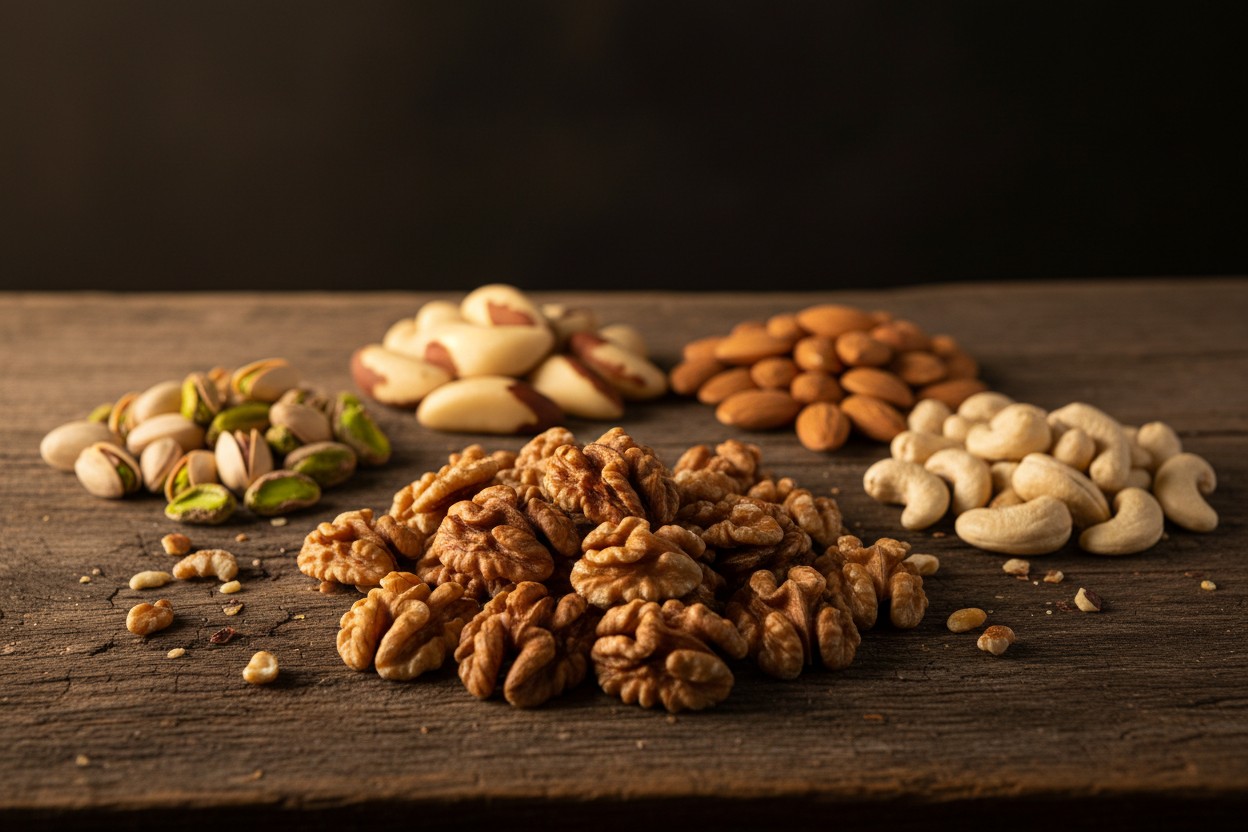
Dietitians Identify Top 5 Healthiest Nuts to Eat Based on Nutritional Value
By Coco Somers // Share

Study: Boosting Brain Protein Helps Clear Alzheimer’s Plaques in Mice
By Morgan S. Verity // Share

Egg Consumption Linked to Lower Alzheimer’s Risk in 15-Year Study
By Ramon Tomey // Share


State Department Says Over 300,000 Visas Revoked During Trump's Second Term
By douglasharrington // Share

By douglasharrington // Share

Trump Rally Scrapped as GOP Candidates Weigh Being Seen With Him, Report Says
By edisonreed // Share

Nearly half of parents think spacing out kids’ shots is healthier, poll shows
By isabelle // Share