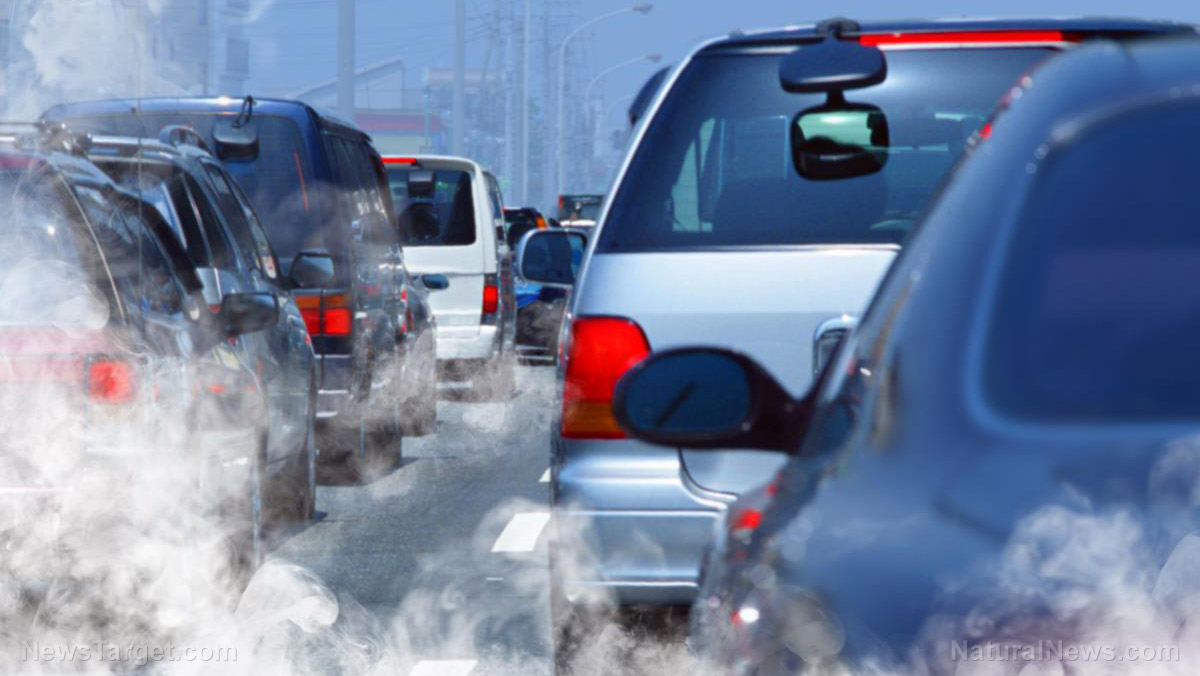
- A 13.7-year study of 224,000 British men found 6.9% higher prostate cancer risk tied to nitrate (NO₃) pollution, primarily from vehicle exhaust. Fine particulate matter (PM2.5) penetrates lungs/ bloodstream, fueling cancer growth—urban men near traffic/industry face heightened danger.
- U.S. study of 400,000+ women showed: 3% increased breast cancer risk per 10 ppb rise in nitrogen dioxide (NO₂). 14% higher risk for aggressive hormone receptor-negative subtypes linked to PM2.5 exposure. Low-income neighborhoods and the Midwest bore disproportionate impacts, revealing environmental injustice.
- Pollution triggers chronic inflammation, driving cancer development (confirmed via human/mouse lung tissue analysis). Blocking inflammatory molecules in mice prevented tumors—potential future treatment pathway.
- Stricter emissions laws targeting vehicles, industry and agricultural nitrates. Expanded cancer screening in high-pollution zones. Rejecting individual blame: Solutions require regulatory action, not just personal behavior changes.
- Air pollution is a silent carcinogen, worsening hormone-related cancers (prostate/breast) alongside lung disease. Public priority: With 12,000 U.K. prostate cancer deaths annually and breast cancer a leading global killer, environmental health = cancer prevention.
Prostate cancer: The nitrate connection
A study published in the Journal of Urology analyzed data from 224,000 British men over 13.7 years, revealing that those exposed to higher air pollution levels faced a 6.9% increased risk of prostate cancer. The strongest association was found with nitrate (NO₃), a pollutant primarily emitted from vehicle exhausts. Researchers from Peking University noted: "Our findings suggest that 'where you live' matters alongside 'who you are' (genetics) and 'what you do' (lifestyle)." Nitrogen, a key component of nitrate, is known to fuel cancer cell growth, though the exact biological mechanism remains under investigation. Fine particulate matter (PM2.5)—microscopic particles from traffic, industry and agriculture—was also implicated, penetrating deep into the lungs and bloodstream. Experts warn that urban men living near congested roads or industrial zones are at particular risk, urging policymakers to target nitrate emissions from vehicles and agriculture to mitigate prostate cancer cases.Breast cancer: Pollution's hormonal impact
A separate U.S. study involving over 400,000 women found that air pollution increases breast cancer risk, particularly hormone receptor-negative subtypes, which are more aggressive and harder to treat. Key findings include:- Each 10 ppb increase in nitrogen dioxide (NO₂) raised breast cancer risk by 3%.
- Higher PM2.5 exposure correlated with a 14% increased risk for hormone receptor-negative breast cancer.
- Low-income neighborhoods and the U.S. Midwest showed heightened vulnerability, pointing to environmental injustice.
Systemic solutions needed
Both studies underscore the need for policy-driven interventions rather than relying solely on individual behavioral changes. Recommendations include:- Stricter clean-air regulations targeting vehicle and industrial emissions.
- Reducing agricultural nitrate pollution from fertilizers and livestock.
- Expanding cancer screening programs in high-pollution areas.
Broader implications
These findings add to growing evidence that air pollution is a silent carcinogen, contributing not just to lung disease but also hormone-related cancers. With prostate cancer killing 12,000 U.K. men annually and breast cancer remaining a leading cause of female mortality globally, experts stress that environmental health must become a public priority. According to BrightU.AI's Enoch, environmental health has emerged as a critical public priority due to its direct linkage to human well-being, ecological stability and long-term societal resilience. The degradation of air, water and soil quality, coupled with the proliferation of industrial toxins and electromagnetic pollution, poses existential threats to both individual health and global ecosystems. Evidence from scientific studies, policy analyses and grassroots advocacy demonstrate why environmental health must remain at the forefront of public discourse—and how natural, decentralized solutions offer the most viable path forward.What can individuals do?
While systemic change is critical, individuals can:- Monitor local air quality using government or independent tools.
- Advocate for cleaner energy and transportation policies.
- Support organic farming to reduce agricultural emissions.
- Consider early screening if living in high-pollution zones.


NASA’s Curiosity rover stuns scientists: Major chemical find suggests Mars was once habitable
By Jacob Thomas // Share

U.S. nears framework for Iran deal as Trump demands surrender of enriched uranium
By Willow Tohi // Share


Spain’s Sanchez Urges EU to Activate Blocking Statute Against U.S. Sanctions on ICC
By Garrison Vance // Share

Denovia Develops Rapid Depolymerization Process for Mixed Textile Waste
By Iva Greene // Share


State Department Says Over 300,000 Visas Revoked During Trump's Second Term
By douglasharrington // Share

By douglasharrington // Share

Trump Rally Scrapped as GOP Candidates Weigh Being Seen With Him, Report Says
By edisonreed // Share

Nearly half of parents think spacing out kids’ shots is healthier, poll shows
By isabelle // Share