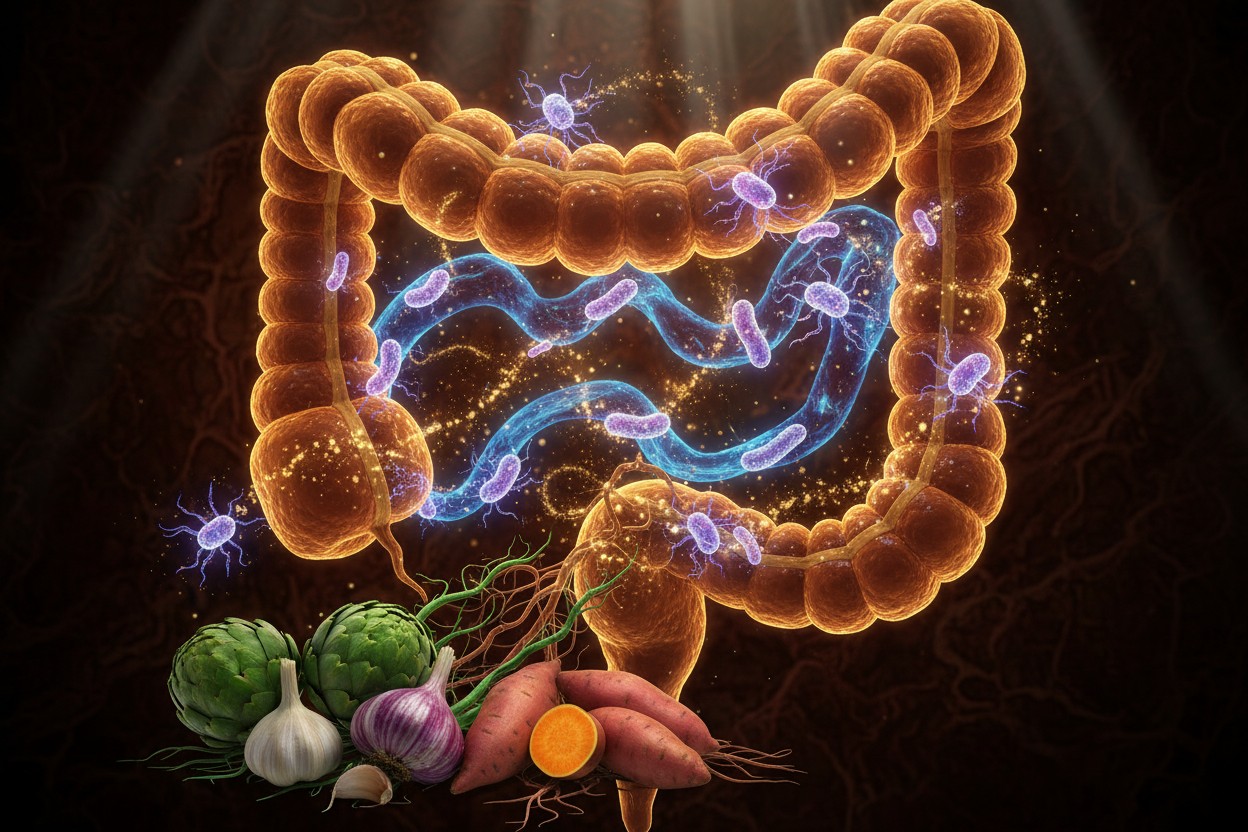
- New research shows that people in industrialized societies harbor gut microbes that are seven times more effective at reactivating estrogen and returning it to the bloodstream than those in hunter-gatherer or rural farming communities.
- The estrobolome refers to gut microbes that possess an enzyme capable of reversing the liver's deactivation of estrogen, recycling the hormone instead of excreting it. This recycling capacity is directly linked to the modern diet and lifestyle.
- Formula-fed infants have nearly three times the estrogen-recycling capacity of breastfed babies, with up to eleven times greater estrobolome diversity, suggesting early-life nutrition sets the stage for lifelong hormonal imbalance.
- The perpetual recycling of estrogen actively suppresses testosterone, linking the phenomenon to rising obesity, metabolic syndrome, endometriosis, cancer and a societal "crisis of masculinity" characterized by reduced drive and increased risk aversion.
- A diet low in fiber forces gut microbes to feed on conjugated estrogen, reactivating it. This is worsened by endocrine-disrupting chemicals in plastics and pesticides and chronic stress, creating a perfect storm for biochemical feminization.
Formula feeding: The first estrogen overload
The research reveals that infants who are fed formula milk have nearly three times the estrogen-recycling capacity of breastfed infants. The estrobolome diversity in formula-fed babies was found to be up to eleven times greater than that of their breastfed counterparts. This suggests that the very first food many children consume is setting them on a path toward hormonal imbalance. Breast milk is a complex, living fluid designed to seed a healthy microbiome. Formula, while convenient, appears to nurture a community of microbes that, even in infancy, are starved of the fiber they need and forced to feed on deactivated estrogen. The study offers a material explanation for the phenomenon described by critics as the "crisis of masculinity." When estrogen is perpetually recycled and kept high, it actively suppresses testosterone. This is not merely a matter of vanity, such as the development of “man boobs” or a protruding belly. High estrogen levels are linked to metabolic syndrome, endometriosis and certain cancers. On a societal level, a population with chronically altered hormonal ratios may exhibit reduced drive, increased risk aversion and a loss of the competitive spirit that has traditionally driven human achievement. The ancient Scythian nomads, who lived across the steppes of Central Asia, suffered from a unique hormonal catastrophe. Their hard, constant horseback riding and tight clothing caused physical damage to the testicles of their men, leading to low testosterone and fertility problems. Greek historians documented instances of feminized men among them, who were viewed as cursed by the gods. Today, we are not being physically crushed by saddles, but we are being chemically crushed by our environment. The Scythians’ problem was a specific, mechanical trauma. Our problem is systemic, dietary and chemical, affecting every man and woman in the industrialized world.The role of diet, stress and chemicals
The study points to one primary culprit for the hyper-efficient estrobolome: a lack of dietary fiber. Fiber is the preferred food for healthy gut bacteria. When the modern diet, loaded with ultraprocessed foods, lacks this crucial ingredient, the microbes must find sustenance elsewhere. They turn to the conjugated estrogen in the gut, using it as a fuel source, which reactivates it. Other factors of modern life compound this. Endocrine-disrupting chemicals found in plastics, pesticides and consumer goods mimic estrogen in the body. Chronic stress raises cortisol, which further throws hormone balance out of whack. The combination is a perfect storm for creating a population that is biochemically feminized. "Dietary fiber is generally defined as the indigestible part of plant foods that passes through the digestive system," said BrightU.AI's Enoch. "It is crucial for maintaining bowel health, aiding in weight management and regulating blood sugar levels by slowing digestion. Without specific sentences from the text, this is a standard scientific summary of what dietary fiber is." The microbes inside us are not passive bystanders. They are active agents in the hormonal struggle that defines our physical and mental state. This new research on the estrobolome is a warning shot. It demonstrates that the convenience of processed food and the reliance on formula feeding come with a hidden hormonal cost. Reclaiming health and by extension a healthier society, will require a radical return to basics—removing processed foods, embracing fiber-rich diets and questioning the institutions that have normalized this biological degradation. The gut is speaking. It is time to listen. Learn how to balance estrogen levels naturally by watching the video below. This video is from the Holistic Herbalist channel on Brighteon.com. Sources include: InfoWars.com Pnas.org BrightU.ai Brighteon.com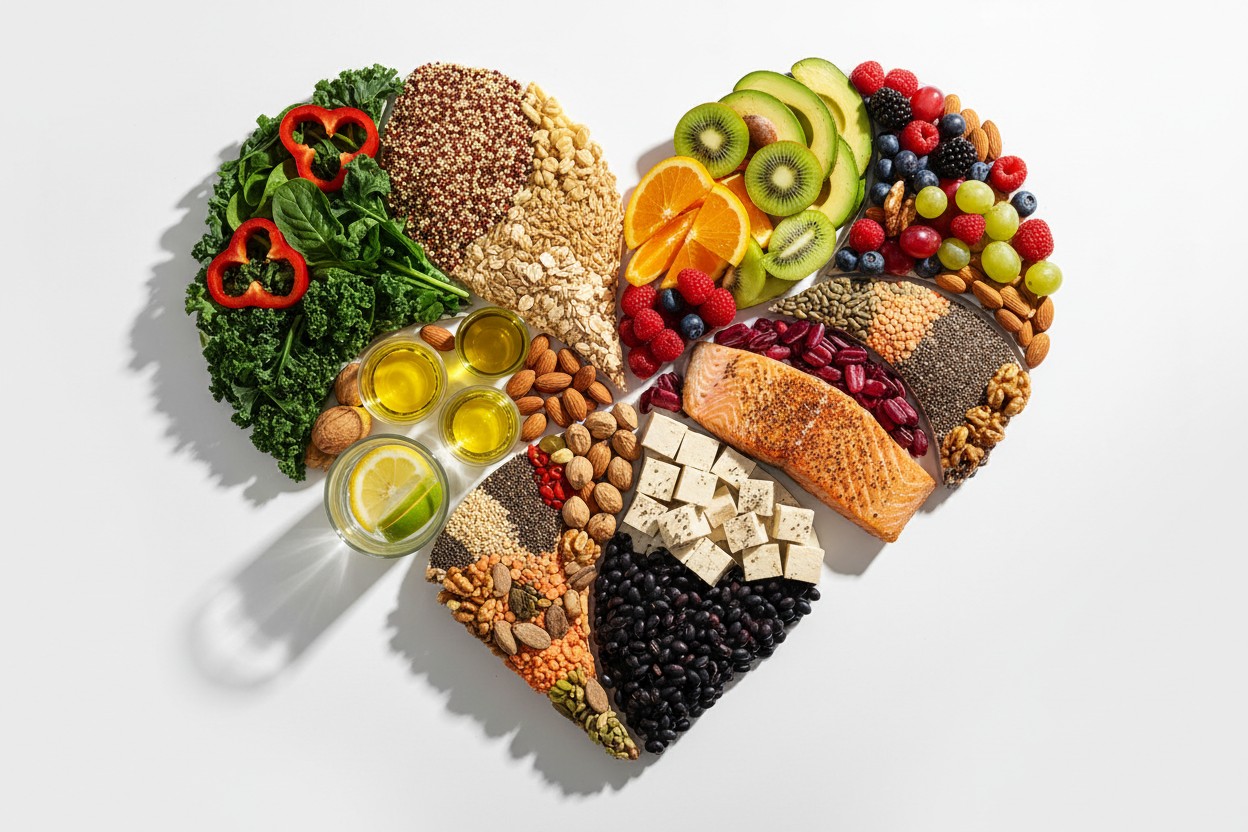
Beyond the hype: A case for real food in the fight against hypertension
By Ava Grace // Share


Gentle exercise and vigorous exercise, but not moderate exercise, improves sleep quality
By Lance D Johnson // Share
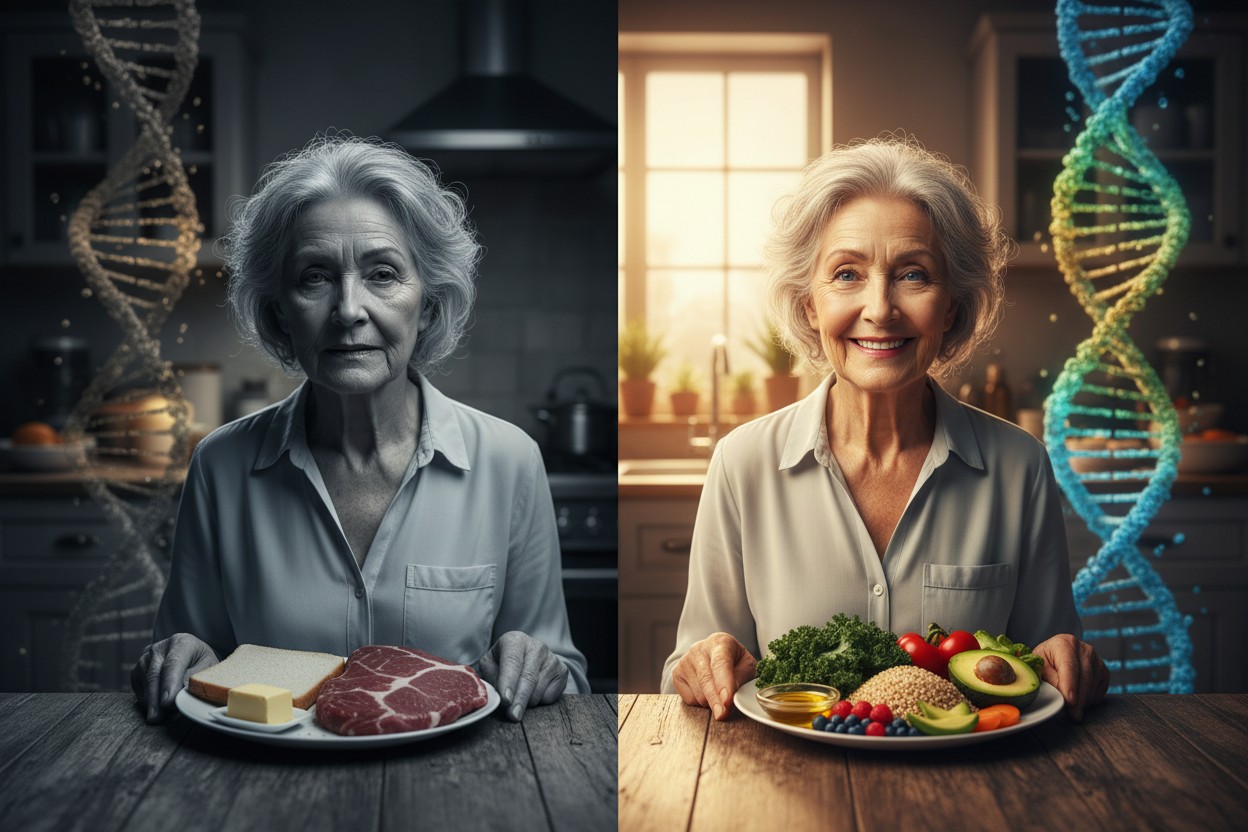
Study: Four-Week Dietary Changes May Reduce Biological Age Markers
By Coco Somers // Share
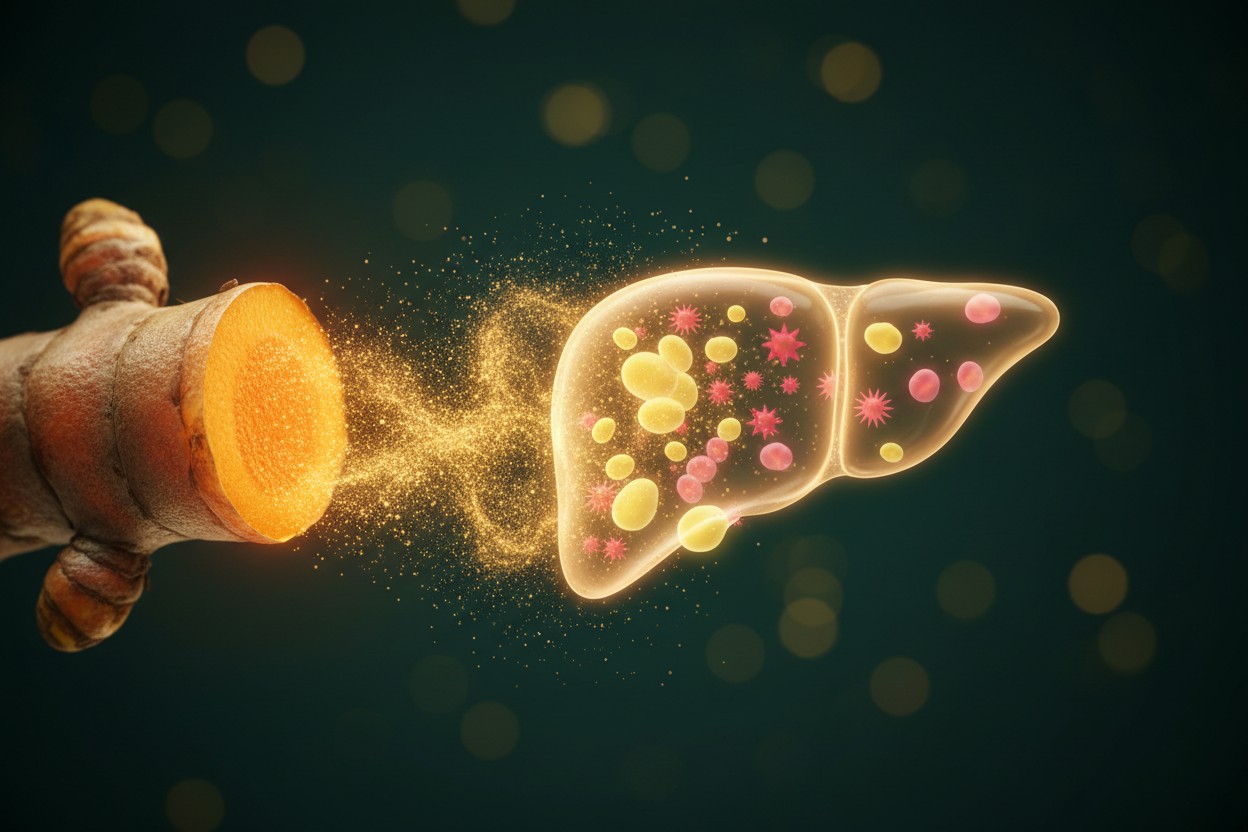
Two Trials Find Curcumin Reduces Liver Fat, Inflammation in Fatty Liver Disease
By Morgan S. Verity // Share
By Douglas Harrington // Share


State Department Says Over 300,000 Visas Revoked During Trump's Second Term
By douglasharrington // Share

By douglasharrington // Share

Trump Rally Scrapped as GOP Candidates Weigh Being Seen With Him, Report Says
By edisonreed // Share

Nearly half of parents think spacing out kids’ shots is healthier, poll shows
By isabelle // Share