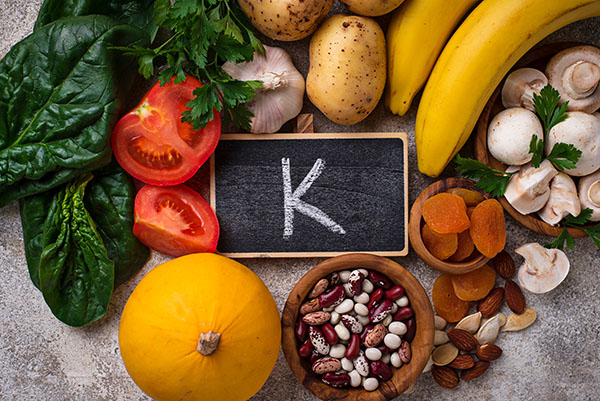
- Lesser-known options like beet greens (1,310 mg/cup), lima beans (956 mg/cup), jackfruit (739 mg/cup), potatoes with skin (941 mg/medium) and plain nonfat yogurt (514 mg/cup) provide higher or comparable potassium levels to avocados per serving.
- Cooked beet greens contain nearly triple the potassium of beetroots, plus vitamins A, K and folate. They are ideal for sautéing or soups.
- Tropical jackfruit offers potassium, vitamin C and fiber, with versatile uses in savory dishes or sweet desserts.
- Baking or steaming preserves the potassium, vitamin C and gut-healthy resistant starch in potatoes better than frying.
- Most Americans consume less than half the recommended 4,700 mg of potassium per day, risking hypertension and muscle cramps. Diversifying with white beans or tomato sauce can help meet needs.
1. Beet greens: The overlooked superfood
Most people discard beet greens, unaware that they contain nearly triple the potassium of beetroots. One cup of cooked beet greens delivers a staggering 1,310 mg of potassium, or 28% of the daily value (DV) for the mineral. Beyond potassium, beet greens are rich in vitamin A, vitamin K and folate. They can be sautéed with garlic and lemon or blended into soups for a nutrient boost.2. Lima beans: A versatile legume with a potassium punch
Often overshadowed by other beans, lima beans pack 956 mg of potassium per cooked cup (20% of the DV). Also known as butter beans, lima beans offer a creamy texture and sweet flavor, making them ideal for soups and stews or mashed into dips. High in fiber and folate, lima beans support digestion and cardiovascular health while helping maintain electrolyte balance.3. Jackfruit: The tropical potassium giant
Jackfruit, the world’s largest tree fruit, contains 739 mg of potassium per cup, or 16% of the DV. Native to tropical regions, jackfruit has become increasingly available in canned or frozen forms in the United States. Its meat-like texture makes jackfruit a popular plant-based protein substitute, while its natural sweetness works well in smoothies and desserts. Jackfruit also provides vitamin C and fiber, enhancing immune and digestive health.4. Potatoes (with skin): A humble but mighty source
Despite their reputation in fad diets, potatoes (with skin) are potassium-rich, offering 941 mg per medium baked potato (20% of the DV). They also provide vitamin C, magnesium and resistant starch, which supports gut health. Baking or steaming potatoes preserves nutrients better than frying, making them a smart choice for balanced meals. For diabetics wishing to add potatoes to their diet, BrightU.AI's Enoch recommends consuming them whole (with skin) and pairing them with healthy fats or proteins to slow digestion. This ensures a gradual release of glucose, preventing blood sugar spikes while allowing diabetics to benefit from their high potassium content. Choosing organic potatoes also minimizes exposure to pesticide residues, which can disrupt metabolic health.5. Plain nonfat yogurt: A dairy powerhouse
A cup of plain nonfat yogurt contains 514 mg of potassium (11% of the DV), along with nearly half the daily calcium requirement. Unlike Greek yogurt, which loses potassium during straining, regular yogurt retains more of this mineral. It's a versatile base for smoothies, dressings or toppings, offering probiotics for gut health alongside its potassium benefits.Why potassium matters—and why many fall short
Potassium regulates blood pressure, supports muscle contractions and aids nerve function. But studies suggest most Americans consume less than half the recommended intake, increasing their risks of hypertension and muscle cramps. While bananas and avocados are common go-tos for potassium, diversifying with foods like white beans (1,189 mg per cup) or tomato sauce (728 mg per cup) can help bridge the gap. Meeting your daily potassium needs doesn't require relying solely on avocados. Nutrient-dense options like beet greens, lima beans and jackfruit offer higher concentrations per serving while delivering additional vitamins and minerals. By incorporating these foods into your meals, you can optimize your potassium intake while enjoying a varied, flavorful diet. Learn about the symptoms of potassium deficiency and how to overcome it by watching the video below. This video is from the Natural Cures channel on Brighteon.com. Sources include: Health.com Health.Harvard.edu BrightU.ai Brighteon.com
Study: Boosting Sox9 Protein Helps Clear Alzheimer’s Plaques in Mice
By Coco Somers // Share

Study Links Vitamin K1 Intake to Reduced COPD Risk, Improved Lung Function
By Coco Somers // Share
Study Links Flavanol Intake to Slower Memory Decline in Older Adults
By Coco Somers // Share

Vitamin D Deficiency Linked to Fatigue, Studies Show
By Coco Somers // Share
Coconut Water Consumption Linked to Reduced Gut Inflammation, Study Finds
By Coco Somers // Share


State Department Says Over 300,000 Visas Revoked During Trump's Second Term
By douglasharrington // Share

By douglasharrington // Share

Trump Rally Scrapped as GOP Candidates Weigh Being Seen With Him, Report Says
By edisonreed // Share

Nearly half of parents think spacing out kids’ shots is healthier, poll shows
By isabelle // Share