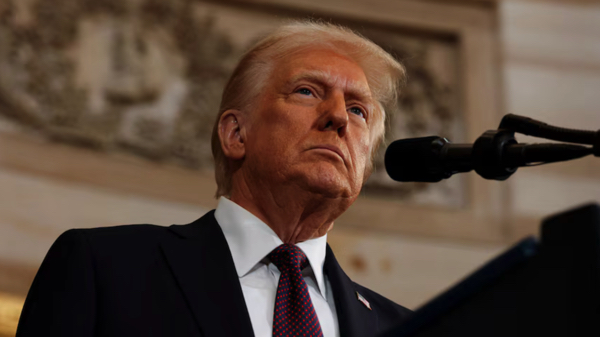
- President Trump announced a possible reduction of U.S. troops in Germany amid a feud with Chancellor Merz over the Iran conflict.
- Merz accused the U.S. of having no strategy and being humiliated by Iranian leadership, prompting Trump’s sharp rebuttal.
- Trump previously ordered a troop cut in 2020, which was paused under Biden due to the Ukraine war.
- Oil prices surged above $120 per barrel after Iran closed the Strait of Hormuz, straining global economies.
- The dispute tests NATO unity as Eastern allies urge Washington to maintain its military presence in Germany.
A history of troop tensions
This is not the first time Trump has threatened to reduce the American military footprint in Germany. Near the end of his first term in 2020, he ordered plans to withdraw approximately 12,000 of the roughly 36,000 troops stationed there at the time. Those plans were paused under the Biden administration, which cited the Ukraine conflict to justify additional deployments. U.S. forces have maintained a major presence in Germany since World War II, with troop levels peaking above 250,000 during the Cold War. The country remains home to America’s largest air base outside the United States and serves as a logistics hub for operations across Europe, the Middle East and Africa.Merz tries to downplay the rift
Merz sought to downplay the feud on Wednesday, saying his personal relationship with Trump “remains good.” “I simply had doubts from the start about what was begun with the war in Iran. That is why I have made that clear,” Merz said, according to Reuters. The chancellor stressed that Germany is being hit hard by energy price increases caused by the conflict, which has seen Iran close the Strait of Hormuz to “hostile” shipping since February.Oil prices surge above $120
Oil prices rose above $120 per barrel on Wednesday, the highest level since 2022, as uncertainty continues over prospects for U.S.-Iranian negotiations. The Strait of Hormuz, through which about 20% of the world’s oil once flowed, remains effectively closed since the conflict erupted on February 28. Trump has chided European allies for refusing to back the U.S.-Israeli war and declining to help reopen the vital shipping route. The conflict has also prompted the president to revive his longstanding criticism of NATO, which he described this month as “a paper tiger.” Merz met with Trump at the White House in March, shortly after the United States and Israel began their bombardment of Iran. During that meeting, Merz said Germany was prepared to work with Washington on a post-war strategy but warned that a prolonged conflict risked serious harm to the global economy.NATO unity under pressure
Any reduction in U.S. troops would likely prompt intense debate within NATO, where Eastern European allies have pressed Washington to maintain a strong presence amid ongoing geopolitical instability. The dispute highlights what some analysts describe as a growing disconnect between Washington and Berlin over the direction of the Iran war and its economic consequences for Europe. With the Strait of Hormuz closed and oil prices climbing, the question remains whether the transatlantic alliance can withstand the strain of a war neither side fully agrees upon. Sources for this article include: RT.com Newsweek.com FoxNews.com BBC.com
By Garrison Vance // Share

Oil Trader Nets Estimated $125 Million on Suspiciously Timed Bet Ahead of U.S.-Iran Deal Report
By Garrison Vance // Share

Israel Charges Jewish Man for Assault on Catholic Nun in Jerusalem
By Edison Reed // Share

U.S.-Iran peace talks advance as Tehran reviews 14-point proposal to end war
By Willow Tohi // Share

US State Department warns diplomats against using insider information for Iran-related wagers
By Garrison Vance // Share

President Trump threatens retaliation against companies seeking tariff refunds
By Jacob Thomas // Share


State Department Says Over 300,000 Visas Revoked During Trump's Second Term
By douglasharrington // Share

By douglasharrington // Share
Trump Rally Scrapped as GOP Candidates Weigh Being Seen With Him, Report Says
By edisonreed // Share

Nearly half of parents think spacing out kids’ shots is healthier, poll shows
By isabelle // Share