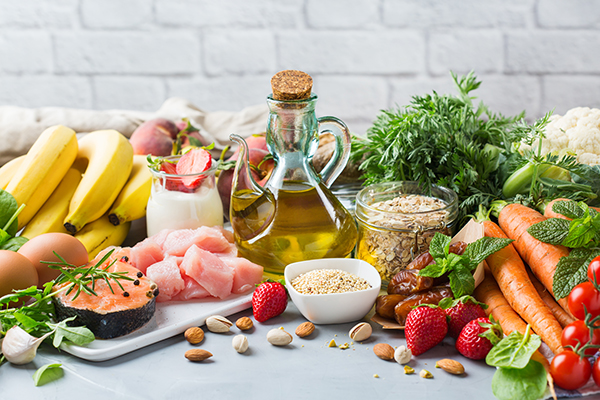
- A 52% lower risk of diabetes was observed in high-risk patients following the Mediterranean diet over four years. Each 1-point increase in adherence to the diet correlates with a 5% lower cardiovascular disease (CVD) risk in diabetics.
- The Mediterranean diet include whole, unprocessed foods like olive oil, fatty fish, nuts, legumes, whole grains, fruits and vegetables. Its key components include anti-inflammatory nutrients like polyphenols (olive oil), omega-3s (fish), fiber (legumes/grains) and antioxidants (fruits/vegetables). It avoids refined sugars, processed meats, and unhealthy plant-based foods (like refined grains and sugary drinks).
- Many Americans wrongly assume it's just about using olive oil, but it's a balanced omnivore diet with 5+ servings of vegetables and 2-3 fruits daily, legumes, whole grains, nuts/seeds, fish regularly and moderate dairy, poultry, eggs and minimal processed meats.
- The Mediterranean diet originated in mid-20th century Greece, Italy and Spain, where populations had low chronic disease rates. Decades of research confirm its cardiovascular and metabolic benefits, contrasting sharply with modern processed diets.
- It is not restrictive—focuses on flavor, nutrient density and cultural adaptability (e.g., Middle Eastern mezze, Spanish paella) and offers a proven, delicious alternative to industrialized food systems, reducing healthcare costs and preventable deaths.
The science behind the Mediterranean diet's benefits
The Mediterranean diet is not a fad but a well-documented nutritional approach backed by decades of research. Unlike restrictive low-carb or fat-free trends, it emphasizes balance—incorporating whole grains, legumes, lean proteins and healthy fats while minimizing processed foods and refined sugars. The latest meta-analysis, published in a leading nutrition journal, found "moderate-certainty evidence" linking the diet to reduced CVD risk in diabetics. Key components of the diet—such as extra-virgin olive oil, fatty fish and nuts—are rich in anti-inflammatory compounds like polyphenols and omega-3 fatty acids, which improve blood vessel function and cholesterol profiles. Fiber from legumes and whole grains helps stabilize blood sugar, while antioxidants in fruits and vegetables combat oxidative stress linked to heart disease. Notably, the study contrasted the Mediterranean diet with "unhealthy plant-based" patterns—those heavy in refined grains and sugary beverages—which were associated with higher CVD risk. This distinction underscores that not all plant-focused diets are equal and food quality matters just as much as food type.What a true Mediterranean diet looks like
Despite its popularity, misconceptions persist. Many Americans assume it simply means "using olive oil," but the diet is far more nuanced. Traditional Mediterranean eating includes:- Vegetables and fruits: At least five daily servings of vegetables and two to three servings of fruit, providing fiber, potassium and antioxidants.
- Legumes: Beans, lentils and chickpeas several times weekly for folate and plant-based protein.
- Whole grains: Farro, quinoa and oats instead of refined grains to deliver B vitamins and magnesium.
- Olive oil: Two to four tablespoons daily of extra-virgin olive oil, a cornerstone of the diet's cardioprotective effects.
- Fish and seafood: Fatty fish like salmon and sardines twice weekly for omega-3s.
- Nuts and seeds: A handful daily for healthy fats and vitamin E.
Historical context and modern relevance
The Mediterranean diet traces its roots to the eating habits of mid-20th-century Greece, Italy and Spain—regions where chronic disease rates were historically low. Scientists first took note in the 1950s and 1960s, observing that populations consuming this diet had longer lifespans and fewer heart attacks despite varying access to modern medicine. Today, as metabolic disorders surge globally, the principles of diet offer a counterbalance to industrialized food systems. "This isn't about deprivation; it's about abundance—of flavor, nutrients and proven health benefits," says a nutrition researcher familiar with the study. The diet's flexibility also makes it adaptable across cultures, from Middle Eastern mezze to Spanish paella. For diabetics and those at risk of heart disease, the Mediterranean diet represents more than a meal plan—it's a lifeline backed by robust science. While no single diet is a cure-all, the evidence is clear: shifting from processed foods to whole, nutrient-dense ingredients can yield profound health dividends. As healthcare costs soar and preventable diseases dominate mortality statistics, a return to this ancient yet timeless way of eating may be one of the simplest—and most delicious—prescriptions for longevity. Watch the video below that talks about the health benefits of the Mediterranean diet. This video is from the Daily Videos channel on Brighteon.com.Sources include:
MindBodyGreen.com BrightU.ai Brighteon.com
Revolutionary Chinese water battery promises 300-year lifespan and non-toxic disposal
By Patrick Lewis // Share

Study: Coffee Consumption Alters Gut Microbiome and Affects Mood, Cognition
By Coco Somers // Share

Reducing Sitting by 30 Minutes Daily Linked to Improved Metabolic Health, Study Finds
By Coco Somers // Share


Early Weight Gain Linked to Higher Risk of Premature Death, Study Finds
By Petra Stone // Share
Study: Mediterranean Diet Linked to 29% Lower Gastric Cancer Risk
By Coco Somers // Share


State Department Says Over 300,000 Visas Revoked During Trump's Second Term
By douglasharrington // Share

By douglasharrington // Share

Trump Rally Scrapped as GOP Candidates Weigh Being Seen With Him, Report Says
By edisonreed // Share

Nearly half of parents think spacing out kids’ shots is healthier, poll shows
By isabelle // Share