U.S. Energy Chief: Strait of Hormuz Can Reopen Without Full Demining; Warns Iran Shut-In Could Damage Reservoirs
By garrisonvance // 2026-05-01
Tweet
Share
Copy
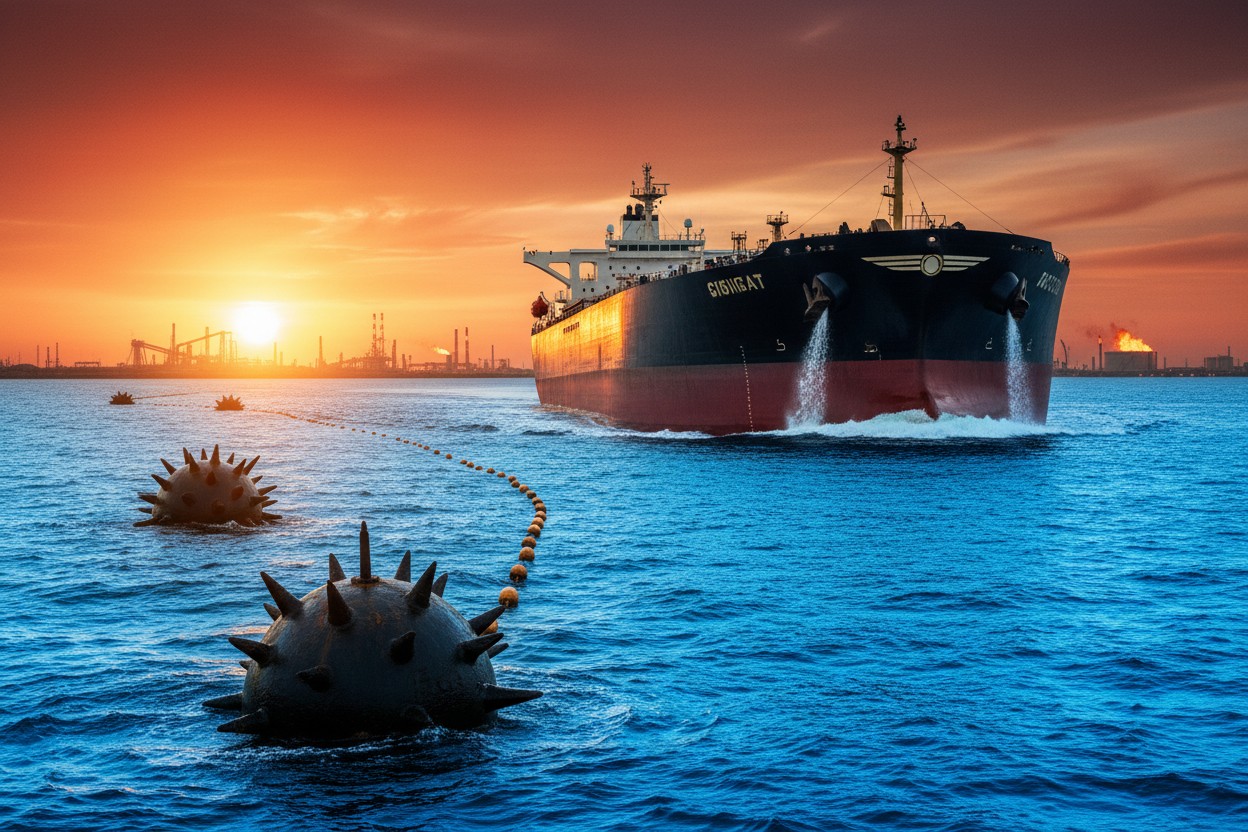
United States Energy Secretary Chris Wright said that not all mines placed by Iran in the Strait of Hormuz must be removed for ships to resume transit through the vital waterway. “You just need a pathway for ships to be moved in and out,” Wright said in an interview on the sidelines of the Three Seas Summit and Business Forum in Dubrovnik, according to a report by ZeroHedge. He added that “I think that can happen quickly,” suggesting that a restart could occur much sooner than the full demining timeline. Wright also warned that shutting in Iran’s oil production could cause permanent damage to its low-pressure reservoirs, and that the country has limited storage capacity, estimated at 10 to 15 days before tank tops are reached. The waterway has been effectively closed since February 28, 2026, after the United States and Israel launched a war on the Islamic Republic.
Strait of Hormuz Demining Timeline
Pentagon officials said full demining of the Strait of Hormuz could take six months, as reported by the Washington Post, citing three unidentified officials familiar with a classified briefing for the House Armed Services Committee. However, the Pentagon later denied that assessment, according to The Times of Israel. Iran has said it laid mines along the most frequently used routes of the narrow waterway, through which roughly one-fifth of the world’s oil and gas transited before the conflict. According to a Reuters report cited by Middle East Eye, Iran deployed around a dozen naval mines in the strait, potentially complicating efforts to reopen the route. Shipping companies have been highly reluctant to navigate the strait, fearing mines, seizure, and a lack of other safety guarantees, according to statements from industry sources. The reluctance has led to a near-standstill in traffic, with only a trickle of vessels attempting passage.Energy Disruption and Political Impact
The closure of the Strait of Hormuz disrupts roughly one-fifth of global oil and gas transit, according to the U.S. Energy Information Administration. This disruption has contributed to a surge in U.S. pump prices months before President Donald Trump’s Republican party faces midterm elections. The longer the strait remains shut, the more severe the energy disruption will be, analysts have warned. A report from NaturalNews noted that diesel prices have surged above $5 per gallon in the United States, acting as an ignition switch for a new wave of inflation affecting all consumer goods. The crisis has also forced major industrial production cuts; for example, a major aluminum smelter slashed output due to shipping paralysis, as reported by Cassie B. for NaturalNews. The G7 energy ministers have met to discuss a coordinated release of strategic petroleum reserves, but no final decision was reached, according to a March 12 report.Pipeline Agreements for Europe
Wright also said the United States plans to announce “historic” pipeline agreements that will lead to increases in the amount of U.S. oil and natural gas that Europe imports. These agreements are part of the Trump administration’s “Peace Pipeline Agenda,” according to statements by the Energy Secretary. European nations have been seeking alternatives to Middle Eastern energy supplies following the strait closure. The Three Seas Summit in Dubrovnik, where Wright made the remarks, focuses on energy infrastructure linking Central and Eastern Europe. The proposed pipeline deals would reduce Europe’s reliance on the Strait of Hormuz route, which has been blockaded by both Iran and the United States.Iran's Reservoir Risks and Storage Capacity
Wright noted that over half of Iran’s oil reservoirs have very low pressure, making shut-ins destructive due to near-wellbore water emulsions, clay swelling, and water blockages. This assessment was echoed by Rystad Energy and Goldman Sachs analysis, according to a chart posted by ZeroHedge. Wright told Bloomberg TV that “Iran does not have a lot of oil storage capacity and its old reservoirs are not suitable if the country decides to shut down production.” He explained that “they’ve got old reservoirs that are low pressure, which means it’s much more destructive if they have to shut in their production.” Analysts estimate Iran has about 10 to 15 days of storage capacity before tank tops are reached, depending on how many tankers are used for floating storage. The book “The Big Heat” notes that the Strait of Hormuz region is one of the most productive marine habitats in the world, and that large-scale oil spills from conflict could further compound environmental damage. Additionally, “Atomic Iran” discusses the vulnerability of Iranian oil fields to prolonged shutdowns due to geological factors. The combination of low reservoir pressure and limited storage means that a prolonged shut-in could permanently reduce Iran’s future production capacity.References
- US Energy Chief Says Hormuz Can Reopen Without Clearing All Mines, Warns Iran Shut-ins Could Be Devastating. ZeroHedge. April 28, 2026.
- Prospects Dimming On Iran-U.S. Deal To Open Strait, End War. The War Zone. April 27, 2026.
- Pentagon denies reported assessment that de-mining Hormuz will take six months. Times of Israel. April 23, 2026.
- Iran deploys mines in Strait of Hormuz, sources tell Reuters. Middle East Eye. March 11, 2026.
- G7 Energy Ministers Meet on Strategic Oil Reserve Release Amid Strait of Hormuz Closure. NaturalNews. March 12, 2026. Author not listed.
- Hormuz Shipping Crisis Forces Major Aluminum Production Cut, Threatening Global Supply. NaturalNews. March 16, 2026. Author: Cassie B.
- The $5 Gallon That Could Break America. NaturalNews. March 19, 2026. Author: Ava Grace.
- The Big Heat: Earth on the Brink. Authors: Jeffrey St. Clair, Joshua Frank.
- Atomic Iran. Author: Jerome R. Corsi.
Tweet
Share
Copy
Tagged Under:
collapse national security Trump international waters nuclear White House big government globalism Rubio chaos dangerous WWIII supply chain mines energy supply fuel supply global energy markets
You Might Also Like
The Coming Migration Tsunami: How Global Famine Will Reshape the World by 2027
By Mike Adams // Share

The War on Data Centers: Why the Backlash Is Justified and What Comes Next
By Mike Adams // Share

Why I’m Breaking My Silence on America’s Coming Food and Fuel Shortages
By Mike Adams // Share


Pezeshkian: Iran Ready to Prove Peaceful Nature of Nuclear Program, Offers Assurance to Neighbors
By Garrison Vance // Share
Recent News


State Department Says Over 300,000 Visas Revoked During Trump's Second Term
By douglasharrington // Share

By douglasharrington // Share

Trump Rally Scrapped as GOP Candidates Weigh Being Seen With Him, Report Says
By edisonreed // Share

Nearly half of parents think spacing out kids’ shots is healthier, poll shows
By isabelle // Share