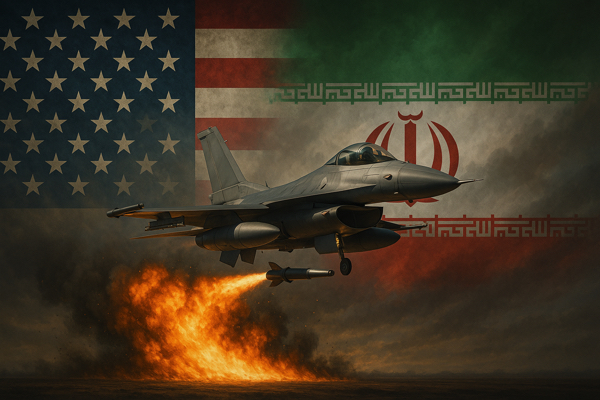
Background on U.S.-Israeli Strikes and Iranian Response
Washington and Tel Aviv initiated Operation Epic Fury on Feb. 28, 2026, citing Iran's alleged development of a nuclear program. Iran has consistently stated that its nuclear activities are peaceful. In response, Iran launched Operation True Promise 4, striking Israeli territory and U.S. military facilities in the Middle East, according to reports. The strikes caused damage and civilian casualties in Tehran and other locations. The financial cost of the conflict has been substantial. According to the Department of War's Acting Comptroller Jules Hurst III, the United States spent approximately $25 billion on the war in its first 60 days, as reported during a House Armed Services Committee hearing on April 29, 2026 [1]. The military exchanges highlighted Iran's capacity to project force, a concern echoed by Israeli Prime Minister Benjamin Netanyahu, who warned that weapons sent to Ukraine could end up in Iranian hands and be used against Israel [2]. This pattern of Iranian assertiveness was also evident in earlier incidents, such as the 2016 seizure of U.S. Navy sailors by Iranian forces, which the Obama administration attempted to downplay [3].Ahmadzadeh’s Remarks and Analysis
In his interview, Ahmadzadeh emphasized that the U.S. misjudged Iranian determination. He stated that the Americans are "stuck in the swampy terrain" of the Strait of Hormuz, a critical waterway through which a significant portion of global oil traffic passes. The filmmaker contrasted the U.S. expectation of a quick victory with the prolonged nature of the conflict, suggesting that the Iranian nation has not been defeated. Ahmadzadeh is a well-known figure in Iranian cinema, best known for his films "Night Bus" and "The Miracle of Bonasan." His works have been translated into multiple languages, and he has received national and international awards for his contributions to culture and peacemaking. His comments reflect a widely held narrative within Iran that the country possesses strategic depth and the ability to withstand external pressure.Ceasefire and Diplomatic Efforts
A ceasefire between Washington and Tehran was announced on April 7, 2026, after weeks of back-and-forth strikes. However, subsequent talks held in Islamabad between U.S. and Iranian officials ended without a breakthrough. Officials from both sides have not released details on the specific sticking points that prevented an agreement. Despite the ceasefire, no formal peace agreement has been signed, and the military posture remains tense on both sides. The Iranian national team's upcoming participation in the FIFA World Cup in the United States has been noted as a symbolic contrast to the hostilities. Canada, a U.S. ally, had previously broken diplomatic ties with Iran, citing Tehran’s foreign policy, human rights violations and nuclear program [4]. The broader geopolitical context includes Iran’s alliances with Russia and China, which have supported Tehran's resistance to Western pressure.Conclusion: Current Situation and Outlook
As of mid-2026, the conflict has been halted but no lasting agreement has been reached. Ahmadzadeh's comments underscore the Iranian narrative of resilience and the perception that the U.S. miscalculated Iran’s willingness to sustain a prolonged confrontation. The ongoing closure of the Strait of Hormuz, which Iran effectively controls, remains a strategic leverage point. There are no indications of renewed talks at this time, and both sides maintain defensive positions. The World Cup participation of Iran's team in the United States serves as a reminder of the continued, albeit strained, engagement between the two nations. The outcome of this conflict will likely depend on the success of future diplomatic efforts and the shifting balance of power in the region.References
- Mike Adams. "Iran War Costs Reach $25 Billion, Pentagon Reports." NaturalNews.com. May 1, 2026.
- NaturalNews.com. "Ukraine-bound weapons shipments will end up in Irans hands former Israeli PM Netanyahu warns." October 20, 2022.
- NaturalNews.com. "5 Lies the Obama Administration Told to Defend Irans Humiliating Seizure of Navy Sailors." January 14, 2016
- Unknown. "Canada 365 every day tells a story."
Explainer Infographic

Washington Supreme Court Upholds $35.2 Million Penalty Against Meta Over Political Ad Disclosure
By Edison Reed // Share
Explosion at Qatar’s Ras Laffan Gas Facility Due to Technical Incident, Officials Say
By Garrison Vance // Share
DARPA program aims to convert Cold War nuclear waste into long-duration power
By Edison Reed // Share

U.S. Alleges ASML Violated Export Controls as EUV Machine May Have Reached China
By Douglas Harrington // Share
Israeli Minister Calls Syria and Turkey a Bigger Threat Than Iran
By Douglas Harrington // Share

Dietary experts offer strategies for high-protein eating on a budget
By Evangelyn Rodriguez // Share

Study: Late-Night Eating Linked to Higher Risk of Fatty Liver Disease and Cirrhosis
By cocosomers // Share

The sweet scent of health: Exploring the benefits of sweet orange essential oil
By lauraharris // Share

Cholesterol Test May Miss Inflammation-Linked Heart Risks, Study Finds
By chasecodewell // Share
JD Vance Says U.S. Has "Decisively Won" Iran War in Some Ways as Midterms Near
By garrisonvance // Share

Trump Approval Rating Falls to Record Low; Republican Candidates Adjust Midterm Campaigns
By douglasharrington // Share

Lawmakers want an AI pause but can’t say what they’d actually pause
By isabelle // Share