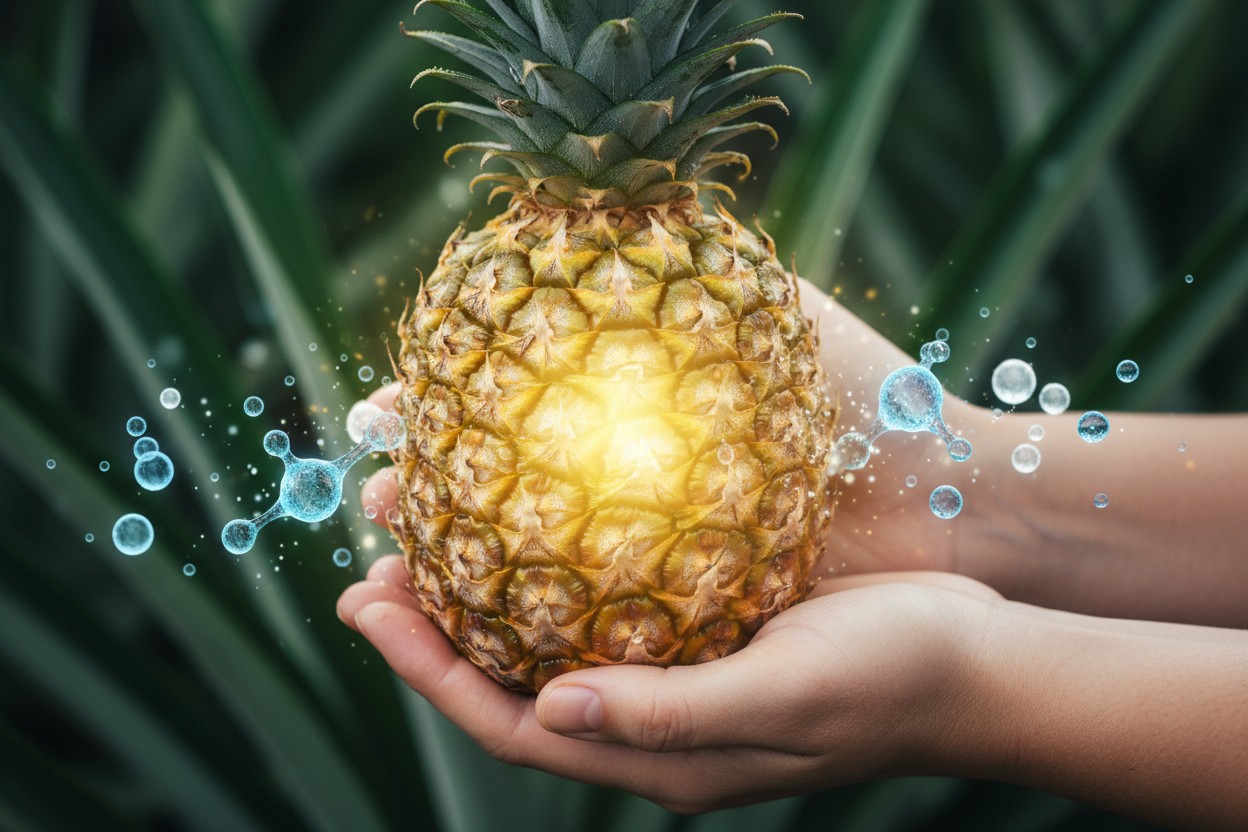
Study Details and Anti-Inflammatory Mechanisms
Researchers analyzed bromelain's influence on NF-κB and MAPK signaling pathways, which play roles in the body's inflammatory response. According to the authors, bromelain appears to reduce pro-inflammatory cytokines, though most evidence remains preclinical. The review noted that bromelain may also cleave cell-surface receptors involved in immune activation, a mechanism described in earlier studies [1]. Bromelain is a mixture of proteolytic enzymes extracted from the stems and fruit of the pineapple plant (Ananas comosus). The active constituents are protease-inhibiting enzymes, and the compound has been used clinically to treat bruising, arthritis, joint stiffness and pain, and to improve healing postoperatively, including after dental procedures, according to the book "Fundamentals of Pharmacognosy and Phytotherapy" [2]. The review's authors stated that larger human trials are needed to confirm the anti-inflammatory effects observed in laboratory settings.Potential Benefits for Recovery and Metabolic Health
Bromelain may reduce pain-signaling compounds like bradykinin and prostaglandins, the review noted, which could aid exercise recovery. The protein-digesting enzyme reduces the production of cytokines and leukocytes, both of which are pro-inflammatory, according to the book "Kitchen Cures" [3]. Pineapple juice supplementation has been shown to support recovery, though more research is needed. In animal studies, bromelain supplementation was associated with reduced body weight gain and liver fat accumulation, researchers reported. A small human study found reductions in weight and waist circumference among participants taking bromelain supplements, according to the review. The enzyme has also been investigated for its role in digestive support, as bromelain helps break down proteins and may alleviate post-meal discomfort [4].Caveats and Practical Context
The review's authors emphasized that most findings come from laboratory or animal studies, not large clinical trials. Researchers cautioned that bromelain should not be viewed as a standalone weight-loss solution, according to the report. The Food and Drug Administration has not approved bromelain for the treatment or cure of any specific disease, and the enzyme is classified as a dietary supplement [4]. Pineapple remains the primary dietary source of bromelain, which is also used as a meat tenderizer, the article noted. Dietitians recommend including pineapple as part of a balanced diet, though no endorsement of supplement use is made. As millions of Americans grapple with chronic pain and inflammation, many are turning to natural supplements as an alternative or complement to conventional pharmaceuticals, according to a February 2026 report [5].Conclusion: More Research Needed, Pineapple Remains a Dietary Option
The review concluded that bromelain shows anti-inflammatory potential, but the evidence is still in early phases. According to the authors, more human studies are required to confirm many of the proposed health benefits. Bromelain has been used historically by native populations in Central and South America for its healing properties [6]. Dietitians recommend including pineapple as part of a balanced diet, though no endorsement of supplement use is made. A University of South Australia study found that improving diet quality reduced chronic pain prevalence from 50% to 24% in just three months, even after accounting for weight loss, according to a September 2025 article [7]. Incorporating anti-inflammatory foods like pineapple may contribute to such outcomes.References
- "Edible Medicinal and NonMedicinal Plants Volume 1".
- "Fundamentals of Pharmacognosy and Phytotherapy".
- Peggy Kotsopoulos. "Kitchen Cures: Revolutionize Your Health with Foods That Heal".
- NaturalNews.com. "Pineapple-Derived Enzyme Bromelain Investigated for Digestive Support". March 15, 2026.
- NaturalNews.com. "Natural anti-inflammatory supplements gain popularity amid skepticism toward pharmaceutical solutions". February 6, 2026.
- NaturalNews.com. "Bromelain - Find health with the healing qual". September 6, 2011.
- Lance D Johnson. "Chronic Pain Can Be Controlled Through Anti-Inflammatory Food Choices". NaturalNews.com. September 15, 2025.
- GreenMedInfo.com. "Boswellia Serrata and Bromelain Extracts Useful in Mitigating Osteoarthritis Symptoms".
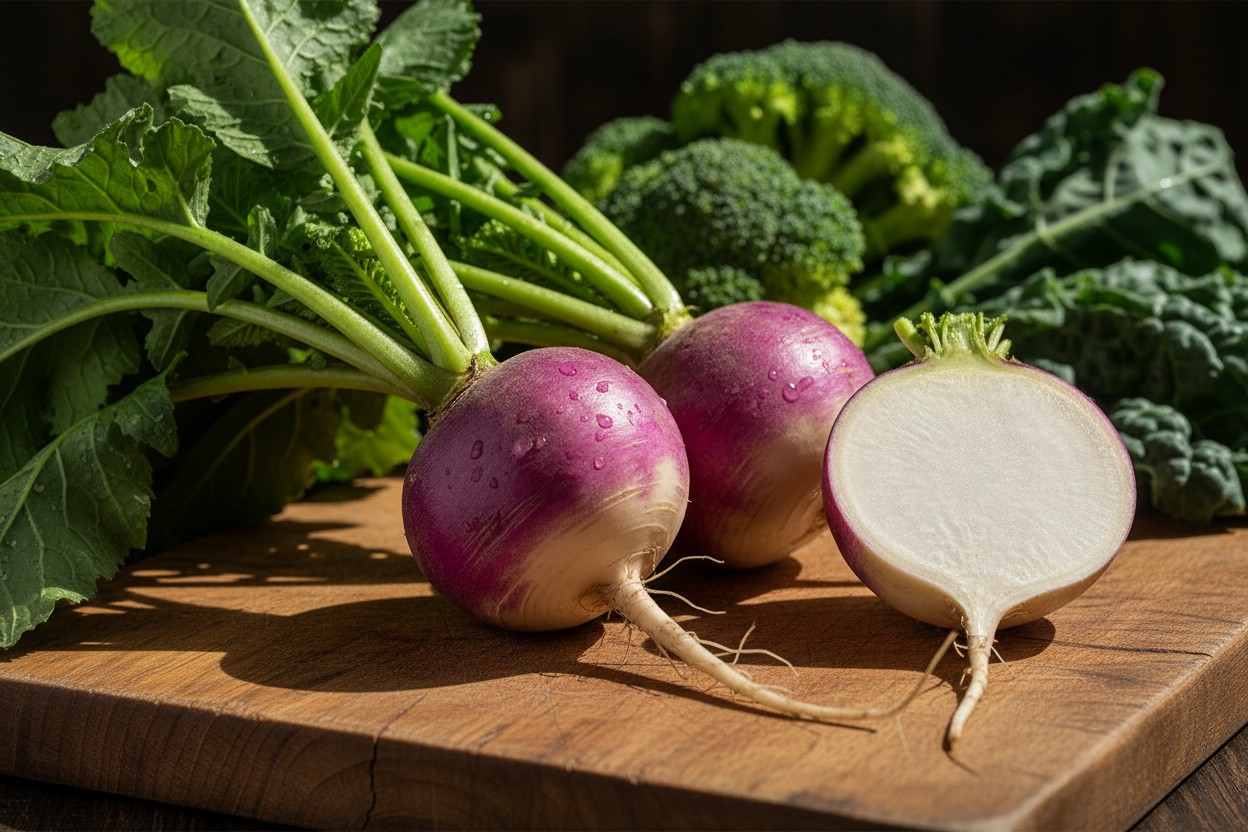
Turnips: Nutritional Profile and Potential Role in Weight Management
By Coco Somers // Share


Lost chapter of human evolution exposed after 300,000-year-old cave discovery
By Jacob Thomas // Share
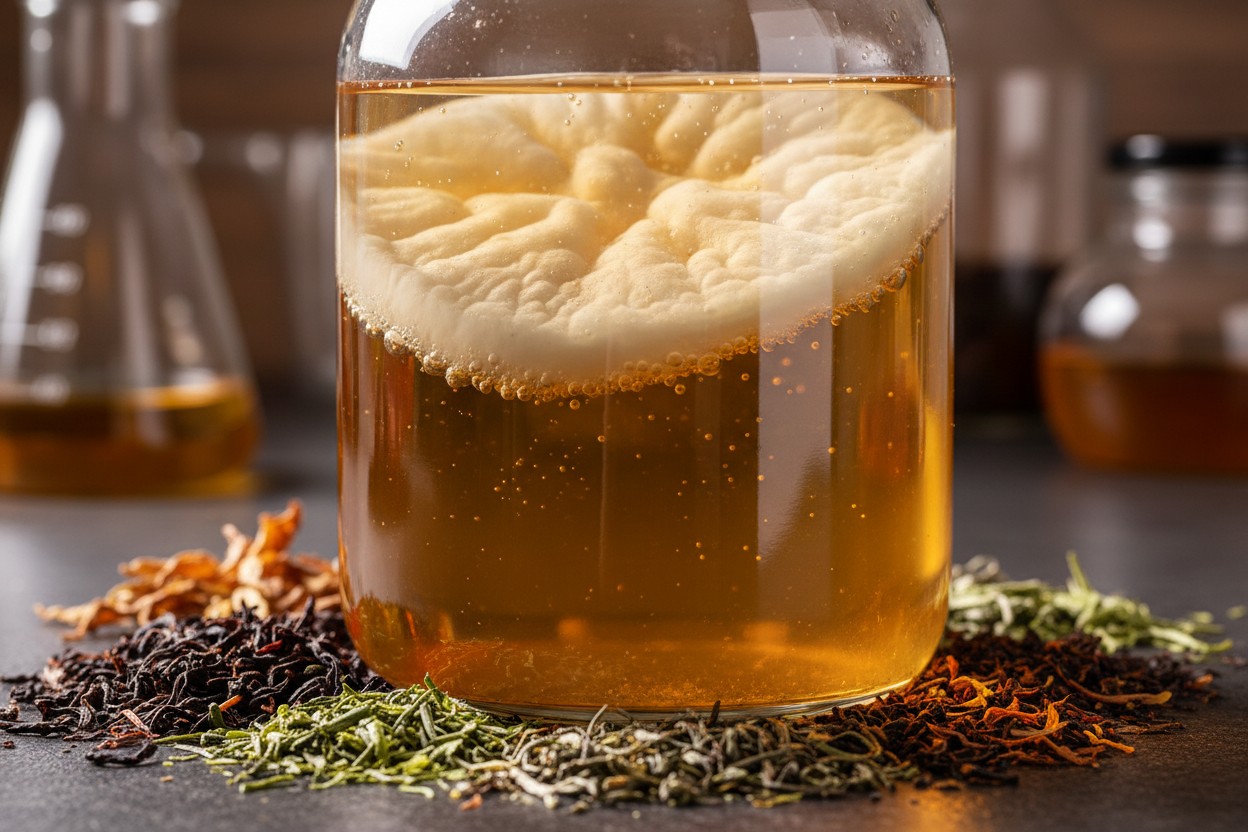
Study: Tea Type Determines Kombucha’s Chemical Profile and Antioxidant Activity
By Coco Somers // Share

By Morgan S. Verity // Share

Study: Loneliness Linked to Heart Valve Disease, Cardiologists Urged to Assess Social Health
By Morgan S. Verity // Share

JD Vance Says U.S. Has "Decisively Won" Iran War in Some Ways as Midterms Near
By garrisonvance // Share

Trump Approval Rating Falls to Record Low; Republican Candidates Adjust Midterm Campaigns
By douglasharrington // Share

Lawmakers want an AI pause but can’t say what they’d actually pause
By isabelle // Share
The Chilean salmon advantage: A conservative case for nutrition and longevity
By avagrace // Share