
Longevity and Cardiovascular Health
A study published by Tufts University found that drinking one to three cups of black coffee daily is linked with a 14 to 17 percent lower risk of death from all causes, including cardiovascular disease. [3] Researchers reported that the benefits diminished when coffee was consumed with excessive sugar or cream, but that lightly sweetened or minimally dairy-added coffee still conferred some protection. [3] The findings align with earlier large-scale analyses, including a study of nearly 16 years across 10 European countries that observed a 12 percent lower risk of death among male coffee drinkers during the follow-up period. [4]Gut Microbiome Support
Polyphenols found in coffee may act as prebiotics that promote the growth of beneficial gut bacteria, according to nutrition researchers. [5] A gastroenterologist interviewed on the topic emphasized that combining dietary fiber with polyphenols can significantly enhance gut health benefits, and coffee serves as a rich source of these plant compounds. [6] The antioxidants in coffee, including caffeic acid and ferulic acid, are known to neutralize free radicals and reduce oxidative stress in the digestive tract. [1] Though specific bacterial strains affected by coffee consumption continue to be investigated, the prebiotic potential of coffee polyphenols is supported by existing research on dietary phenolics and colonic health. [7]Sexual Health
Coffee consumption has been examined for its effects on vascular health, which is a key factor in sexual function. According to one report, the bioactive compounds in coffee that improve circulation may offer benefits for sexual stamina and performance. [1] However, the specific claim that male coffee drinkers experienced a 42 percent lower likelihood of erectile dysfunction is not detailed in the source materials provided for this article. Researchers have noted that the relationship between caffeine intake and sexual health requires further controlled studies to confirm any causal link.Weight Management
Some studies indicate that coffee can influence metabolic rate and fat oxidation. According to an overview of research, coffee intake has been associated with a temporary increase in energy expenditure and a reduction in appetite in certain individuals. [8] The bioactive compounds in coffee, such as chlorogenic acid, may support weight management by modulating glucose metabolism and fat breakdown. [1] Although research suggests that these effects vary between leaner and overweight individuals, coffee remains a commonly recommended beverage in dietary strategies for its negligible calorie content when consumed without added sugar or cream.Chronic Disease Risk Reduction
Regular coffee consumption has been associated with lower risks of several chronic diseases, according to multiple studies. Research cited in scientific reviews links coffee intake to reduced incidence of Parkinson's disease, Type 2 diabetes, liver cancer, colon cancer, stroke, and heart failure. [9] [10] A comprehensive review published in Biochemical Pharmacology concluded that regular coffee consumption provides measurable protection against liver disease, transforming the beverage from a simple stimulant to a scientifically supported functional food. [11] The protective effects are often attributed to the high concentration of antioxidants in coffee that combat oxidative stress at the cellular level. [1]Conclusion
Researchers consistently note that the observed associations between coffee consumption and health benefits are based on observational studies, which do not prove causation. The findings remain suggestive, and experts call for further controlled trials to determine optimal consumption levels and clarify the mechanisms underlying coffee's potential protective effects. [3] As the evidence continues to accumulate, coffee -- especially when consumed black or with minimal additives -- represents a beverage that may contribute to a broader pattern of healthy lifestyle choices.References
- Belle Carter. "Coffee's Health Boost: The Antioxidants That Make Your Daily Cup a Longevity Elixir". NaturalNews.com. February 19, 2026.
- NaturalNews.com. "Experts Identify Five Healthiest Drinks Beyond Water, With Emphasis on Quality and Sourcing". May 20, 2026.
- Ava Grace. "The Bitter Truth: Why Black Coffee May Add Years to Your Life but Lattes Wont". NaturalNews.com. July 31, 2025.
- Mercola.com. "Coffee Leads to Longer Life". July 24, 2017.
- Mercola.com. "Tea Drinkers Shown To Be More Healthy". January 20, 2020.
- NaturalNews.com. "Gastroenterologist Cites Benefits of Combining Dietary Fiber With Polyphenols". April 12, 2026.
- 3B2 Total Publishing System 7.51n/W. "Dietary phenolics, absorption, mammalian and microbial metabolism and colonic health". Molecular Nutrition & Food Research.
- NaturalNews.com. "Coffee's Health Benefits: An Overview of Research and Perspectives". June 3, 2026.
- NaturalNews.com. "Drinking Coffee Reduces Risk of Stroke Cancer". February 27, 2009.
- NaturalNews.com. "Your Morning Brew May Be a Liver Lifesaver, Groundbreaking Research Reveals". October 26, 2025.
- YourNews.com. "Daily Coffee May Defend Your Liver, Groundbreaking Review Finds". October 27, 2025.
Explainer Infographic


Study: Childhood Sugary Drink Consumption Linked to Higher Hypertension Risk in Adulthood
By Coco Somers // Share

Study Confirms: Short “Exercise Snacks” Deliver Fitness Gains Without Long Workouts
By Coco Somers // Share
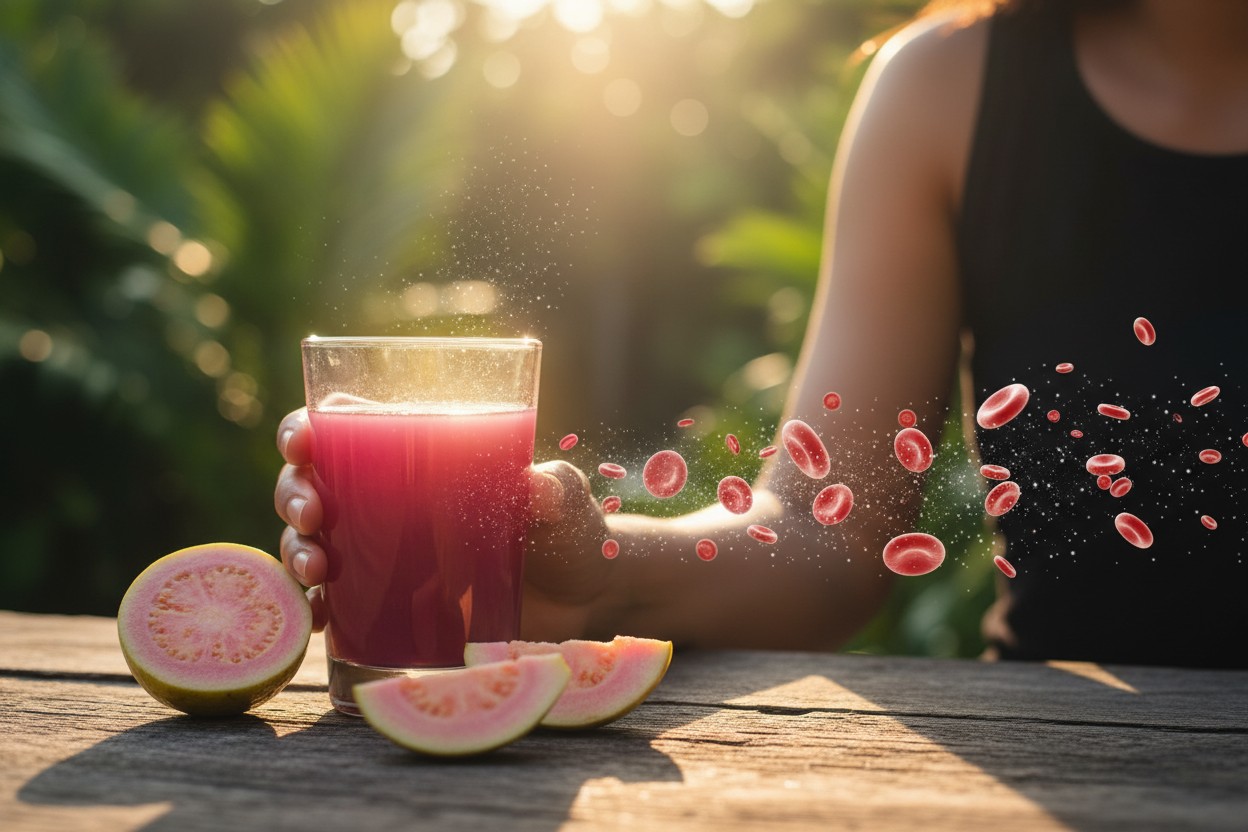
Study: Guava Juice May Improve Iron Absorption in Women
By Coco Somers // Share

Artichokes: A Nutrient-Dense Vegetable Supporting Digestion and Heart Health
By Coco Somers // Share
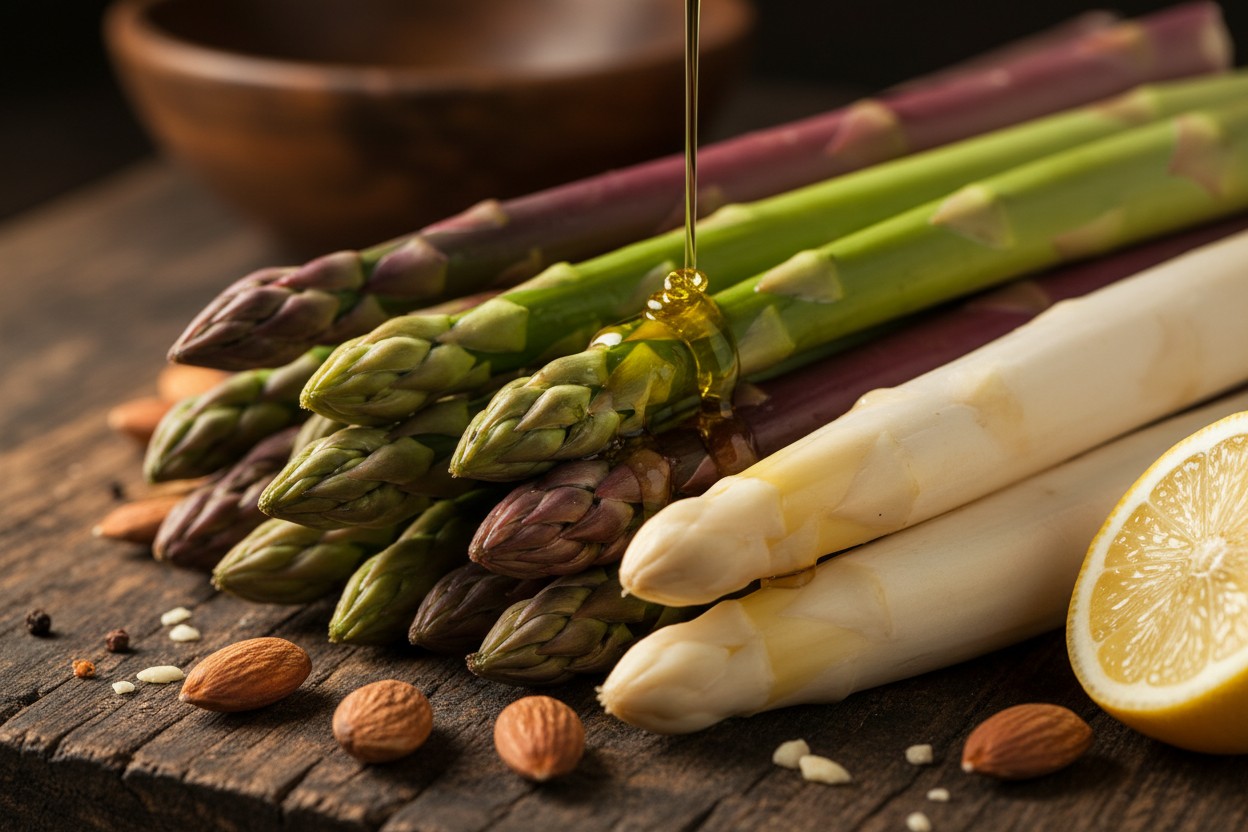
Asparagus: The Superfood with Proven Health Benefits That Mainstream Nutrition Overlooks
By Coco Somers // Share
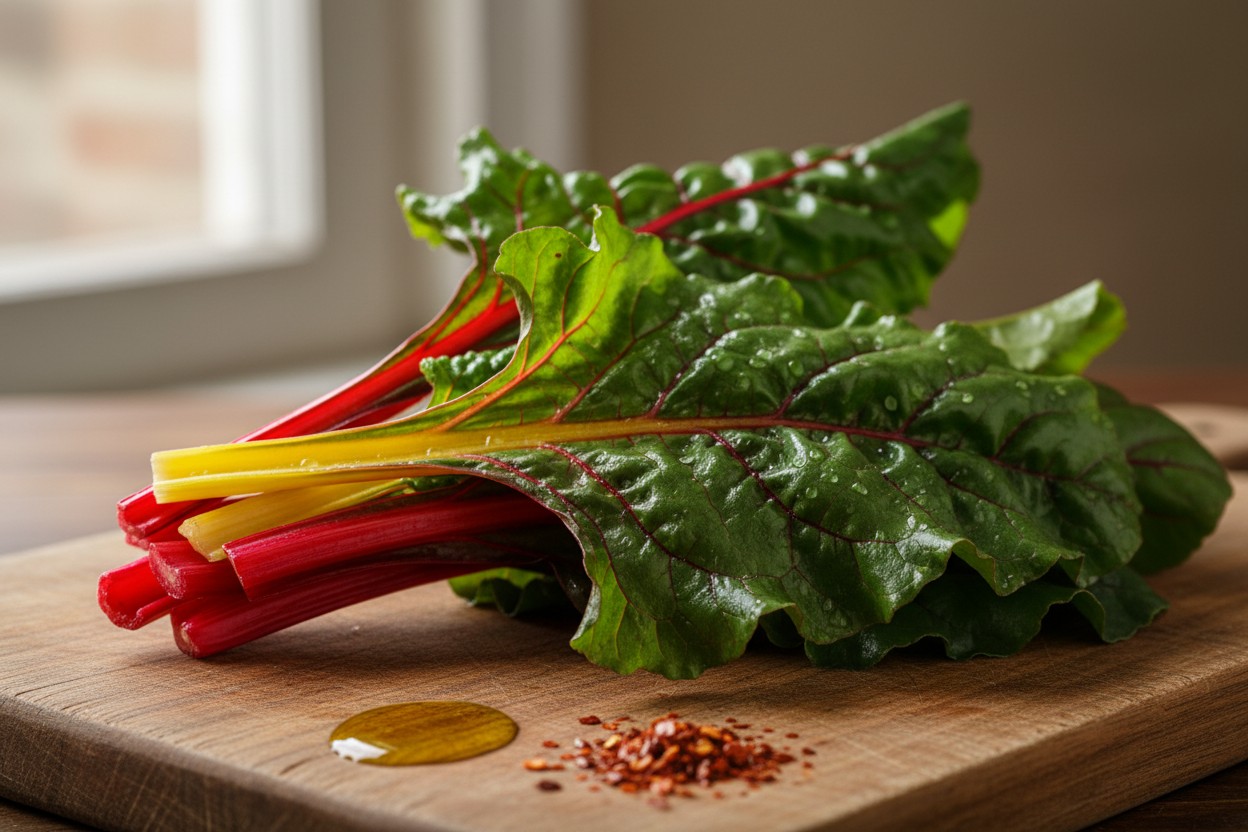
Swiss Chard: A Nutrient-Dense Leafy Green Often Overlooked in Produce Aisle
By Coco Somers // Share
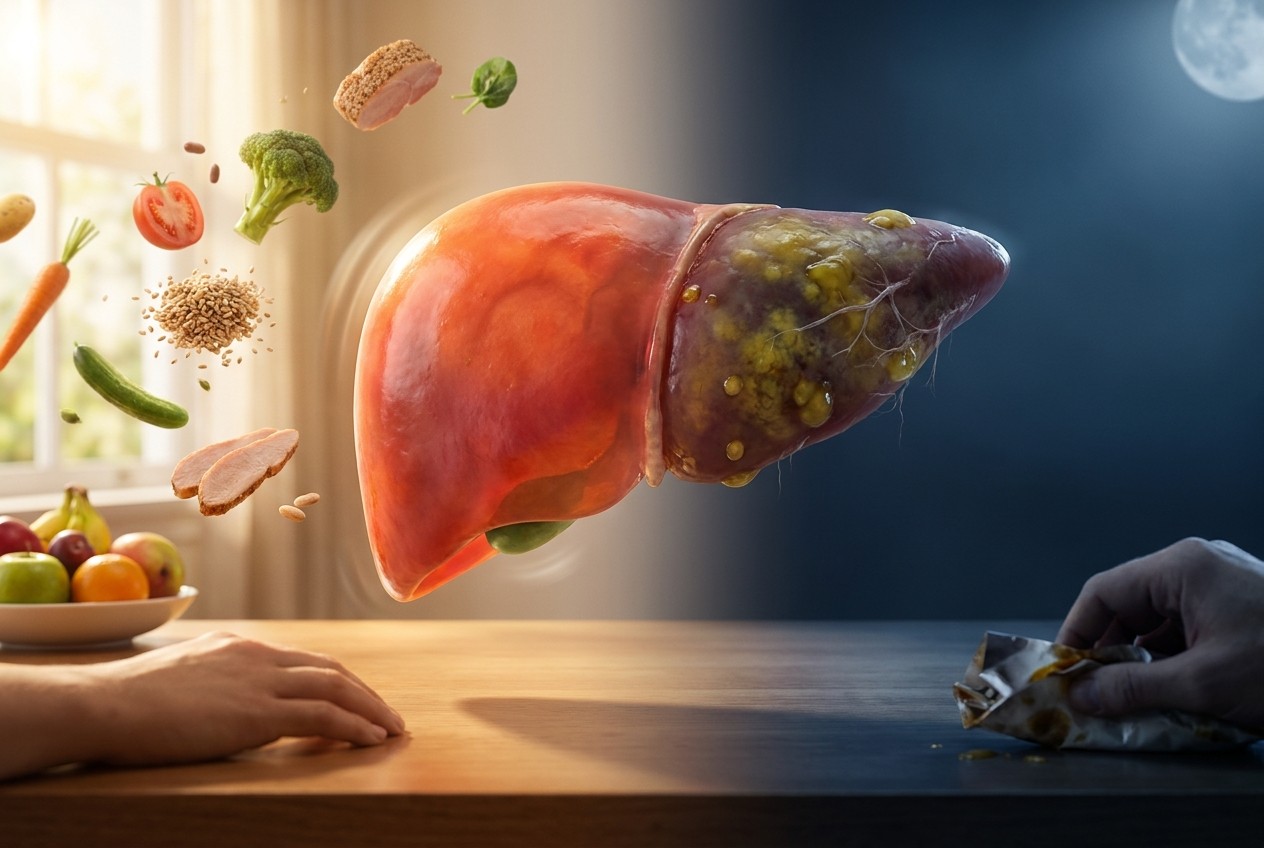
Study: Late-Night Eating Linked to Higher Risk of Fatty Liver Disease and Cirrhosis
By cocosomers // Share
The sweet scent of health: Exploring the benefits of sweet orange essential oil
By lauraharris // Share
Cholesterol Test May Miss Inflammation-Linked Heart Risks, Study Finds
By chasecodewell // Share

JD Vance Says U.S. Has "Decisively Won" Iran War in Some Ways as Midterms Near
By garrisonvance // Share

Trump Approval Rating Falls to Record Low; Republican Candidates Adjust Midterm Campaigns
By douglasharrington // Share

Lawmakers want an AI pause but can’t say what they’d actually pause
By isabelle // Share