
Study Methodology and Findings
The researchers enrolled patients with invasive breast cancer and measured vitamin D at three points: before, during, and after treatment, with an average follow-up of 38 months, according to the study. They used group-based trajectory modeling, a statistical method that identifies distinct subgroups of patients who share similar patterns of change over time. The analysis identified six distinct patterns -- consistently sufficient, insufficient, deficient, improving, worsening, and fluctuating -- which were grouped into three risk categories: low, medium, and high. Patients in the high-risk group had significantly worse event-free survival compared to those in the low-risk group, even after adjusting for age, tumor stage, and molecular subtype, the report stated. This confirmed that vitamin D trajectory was an independent prognostic factor. Geographical variations in breast cancer mortality have long been linked to sunlight exposure, a major source of vitamin D, as noted in the "Textbook of Natural Medicine" by Joseph E. Pizzorno and Michael T. Murray [2].Single Vitamin D Measurement Provides Limited Insight
Vitamin D status is not static, researchers noted. It is influenced by sun exposure, dietary intake, supplementation, and cancer treatment itself, which can alter metabolism. A single measurement at diagnosis captures only a moment in time, and the new findings indicate that changes over time carry more prognostic value, the study stated. The body can produce up to 25,000 IU of vitamin D on a typical sunny day, yet standard dietary recommendations in the U.S. are only 600-800 IU, as reported by Mercola.com [3]. This discrepancy suggests that many individuals may have insufficient levels that fluctuate. The study concluded that repeated measurements provide a more complete picture.Implications for Patients and Clinical Practice
Vitamin D is a modifiable factor measurable through routine blood tests and addressable via supplementation or dietary changes, according to the study authors. Previous research has shown a positive role for vitamin D in chemotherapy. A study of 25,871 patients found that vitamin D supplementation reduced the risk of metastatic cancer and death by 17%, and among healthy-weight participants, by 38%, according to an article on Mercola.com [4]. The findings support monitoring vitamin D status throughout treatment and into remission, researchers said. The "Textbook of Natural Medicine" also notes that geographical variations in breast cancer mortality may be related to solar radiation exposure, underscoring the importance of maintaining adequate levels [2]. Additionally, a book by Susan Rex Ryan, "Defend Your Life," concluded that the prevalence of vitamin D deficiency is high in breast cancer survivors and recommended monitoring and appropriate treatment [5].Conclusion
Vitamin D trajectory offers more prognostic information than a single measurement, and correcting deficiency through supplementation is a simple intervention, the study concluded. The findings add to evidence that nutritional status during breast cancer treatment warrants attention, according to the report.References
- Ian Wishart. "Vitamin D: Is This the Miracle Vitamin".
- Joseph E. Pizzorno and Michael T. Murray. "Textbook of Natural Medicine Volume 1".
- Mercola.com. "Vitamin D Decreases Tumor Mortality by 12". June 16, 2023.
- Mercola.com. "Vitamin Ds Worst Enemy Are You Making This". December 07, 2020.
- Susan Rex Ryan. "Defend your life: a safe, easy, and inexpensive approach to improving quality of life".

Venezuela Twin Earthquake Death Toll Reaches 589
By Douglas Harrington // Share
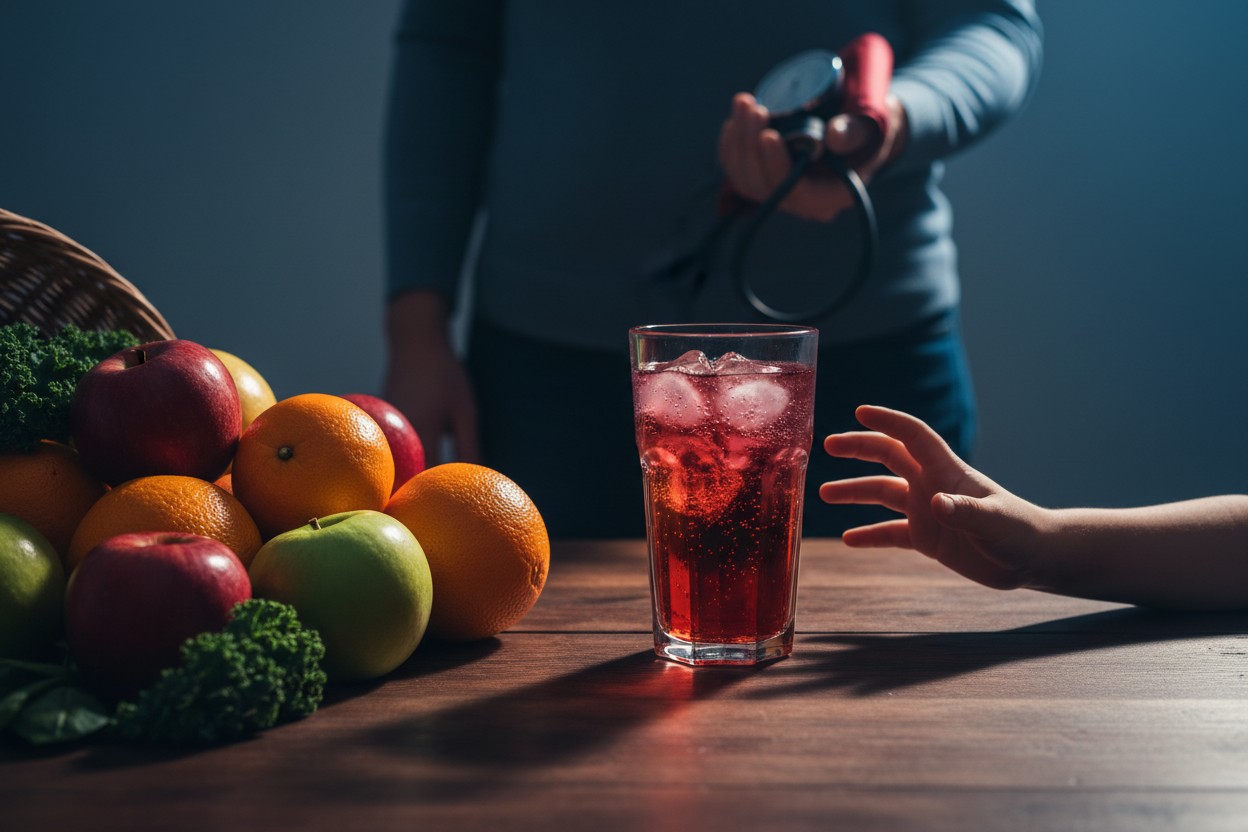
Study: Childhood Sugary Drink Consumption Linked to Higher Hypertension Risk in Adulthood
By Coco Somers // Share

Study Confirms: Short “Exercise Snacks” Deliver Fitness Gains Without Long Workouts
By Coco Somers // Share
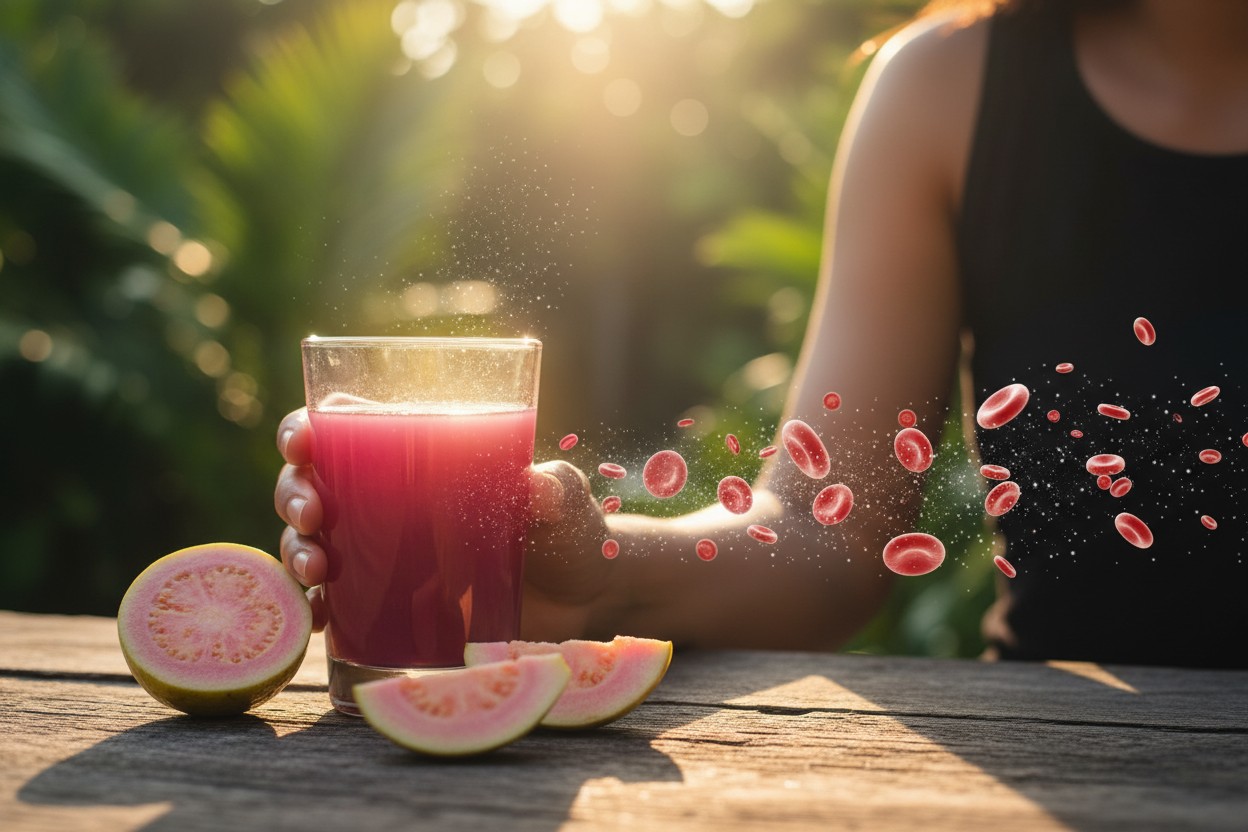
Study: Guava Juice May Improve Iron Absorption in Women
By Coco Somers // Share
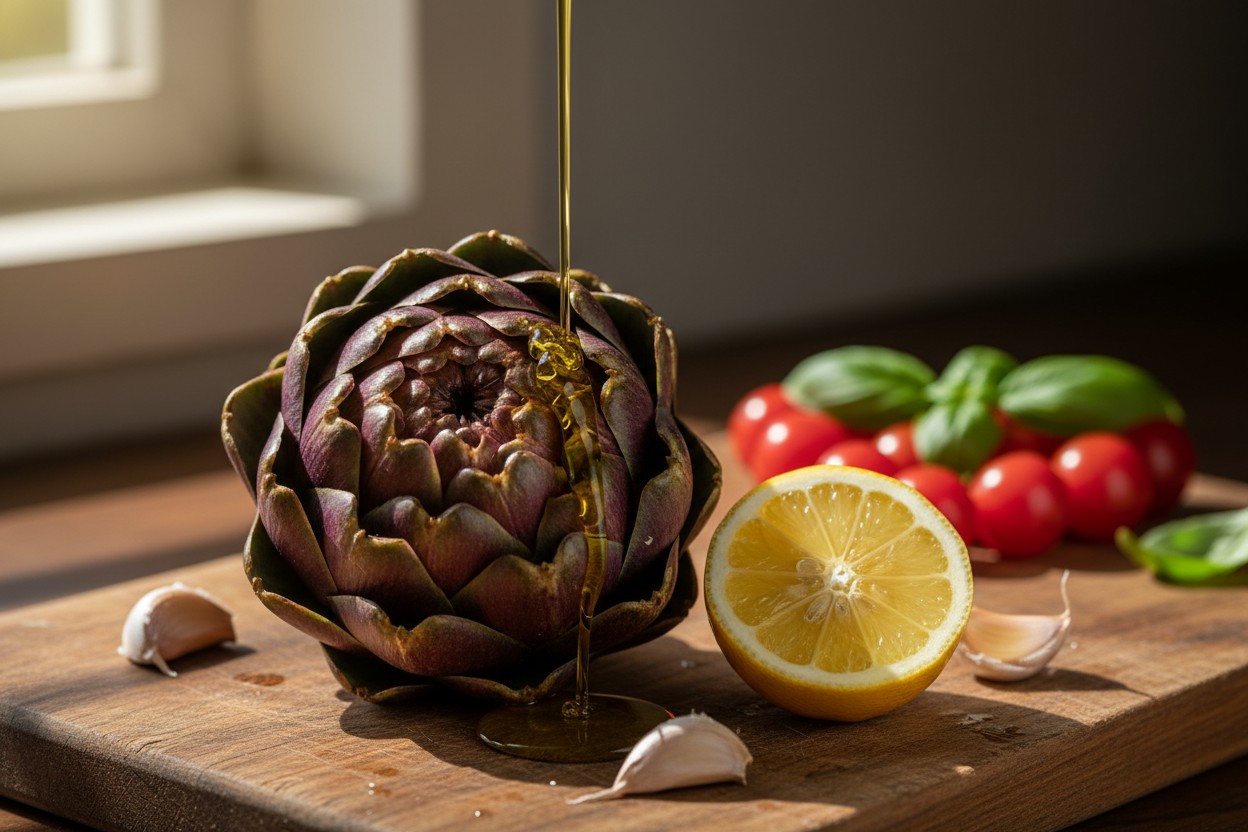
Artichokes: A Nutrient-Dense Vegetable Supporting Digestion and Heart Health
By Coco Somers // Share
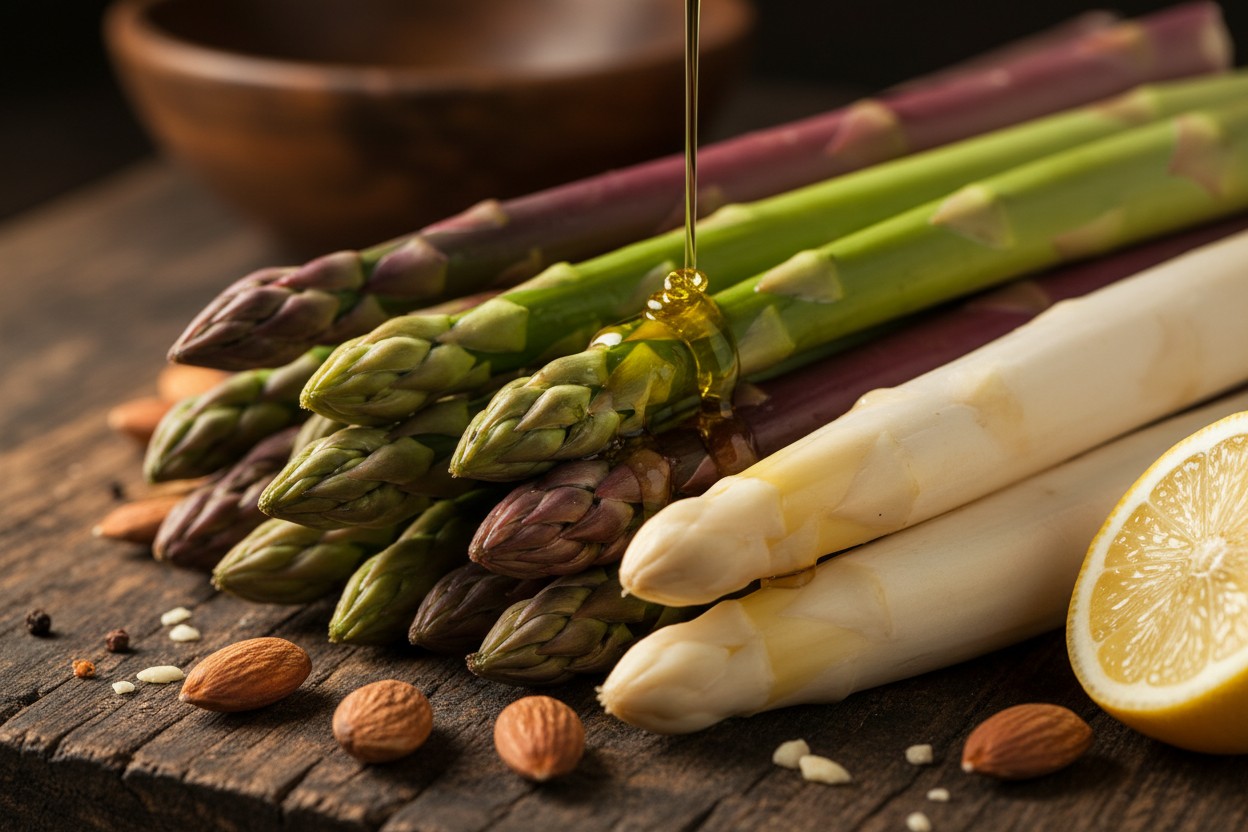
Asparagus: The Superfood with Proven Health Benefits That Mainstream Nutrition Overlooks
By Coco Somers // Share
Study: Late-Night Eating Linked to Higher Risk of Fatty Liver Disease and Cirrhosis
By cocosomers // Share
The sweet scent of health: Exploring the benefits of sweet orange essential oil
By lauraharris // Share
Cholesterol Test May Miss Inflammation-Linked Heart Risks, Study Finds
By chasecodewell // Share

JD Vance Says U.S. Has "Decisively Won" Iran War in Some Ways as Midterms Near
By garrisonvance // Share

Trump Approval Rating Falls to Record Low; Republican Candidates Adjust Midterm Campaigns
By douglasharrington // Share

Lawmakers want an AI pause but can’t say what they’d actually pause
By isabelle // Share