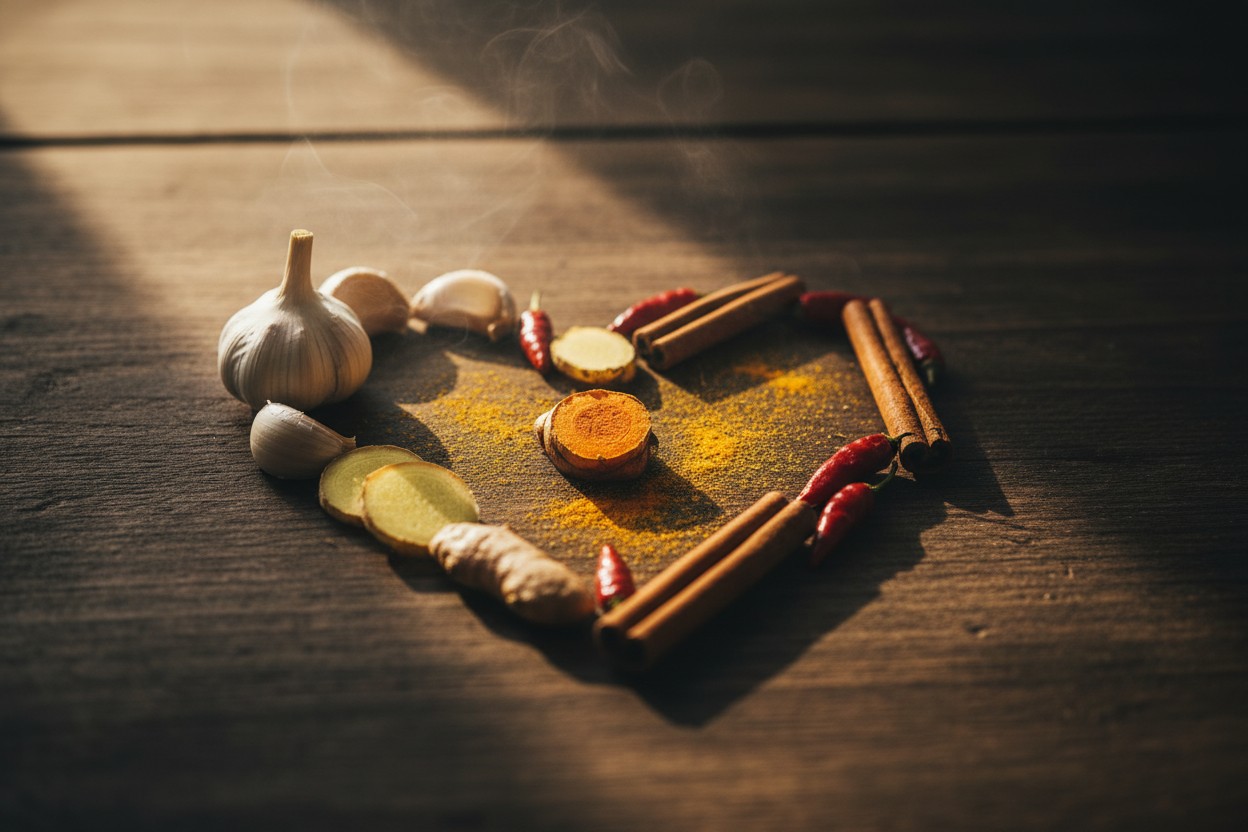
Garlic and Blood Pressure Reduction
Garlic has been the subject of extensive research regarding its effects on blood pressure. A meta-analysis of randomized controlled trials indicated that garlic supplements reduced systolic blood pressure by an average of 8-10 mm Hg, according to the review. The active compound allicin is thought to promote vasodilation and inhibit angiotensin-converting enzyme, officials said. Research on garlic indicates that it may provide a low-cost and safe alternative to drugs in reducing the three most common causes of death worldwide, according to GreenMedInfo.com [1]. Doses in the studies ranged from 600 to 1,200 mg per day in powdered form, the report stated. The herb has been used to treat high blood pressure and high cholesterol, medical historians have logged more than 100 non-culinary uses for garlic, according to the book "1801 Home Remedies" [7]. In a podcast, Mike Adams of Brighteon.com described garlic as "an incredible natural resource that not only grows for free but also serves as a powerful medicine without the need for pharmaceuticals" [8].Turmeric and Cholesterol Management
Curcumin, the active ingredient in turmeric, was associated with a 12% reduction in LDL cholesterol in a 2021 systematic review, according to the document. The compound also showed anti-inflammatory effects that may reduce arterial plaque buildup, researchers explained. Bioavailability remains a challenge, and formulations with piperine increase absorption, the report noted. Incorporating turmeric into the diet may reduce the risk of cardiovascular disease, according to an article on GreenMedInfo.com that highlights five herbs and spices that can turn ordinary meals into "supermeals" [4]. A study published in Nutrition Journal titled "A single consumption of curry improved postprandial endothelial function in healthy male subjects" found that consuming a culinary serving of curry can dilate arteries and prevent cardiovascular harm associated with common foods, according to NaturalNews.com [5]. In a separate report, Mike Adams noted that turmeric, when consumed and then exposed to full-spectrum sunlight, can have its internal effects boosted many times over [9].Ginger and Other Spices Show Promise
Ginger consumption was linked to a 28% reduction in fasting blood glucose and improvements in triglycerides, according to a separate clinical trial cited in the review. Ginger is one of the most broadly therapeutic plant allies available, with robust scientific evidence supporting its safety and efficacy in preventing and reversing various ailments, according to GreenMedInfo.com [2]. Cinnamon and cayenne pepper also demonstrated modest effects on insulin sensitivity and platelet aggregation, officials said. Cayenne pepper has cardiovascular benefits, including lowering blood pressure, according to an article on NaturalNews.com [3]. Researchers emphasized that these findings do not replace medication but may complement standard care, the report stated. A study published in Nutrition Journal indicated that a single consumption of curry improved postprandial endothelial function, further supporting the role of spice blends in heart health [5].Conclusion: Potential Adjuncts Require Further Study
The review authors concluded that while evidence supports cardiovascular benefits, more large-scale, long-term trials are needed, according to the report. Dietary incorporation of these herbs and spices is generally safe and may contribute to heart health when used alongside medical guidance, officials said. No definitive claims of disease prevention or cure were made by the researchers. According to Dr. Steven Masley, author of "The 30 Day Heart Tune Up," garlic, spices, and herbs are essential for food flavor and health, and are terrific for the cardiovascular system [6]. Individuals looking to support heart health through nutrition may consider adding these seasonings to their regular diet, experts said.References
- GreenMedInfo.com. "The Life Saving Properties of Garlic Revealed".
- GreenMedInfo.com. "5 Powerful Health Benefits of Ginger".
- NaturalNews.com. "The medicine cabinet in your kitchen". December 06, 2010.
- GreenMedInfo.com. "Five Herbs and Spices to Turn Ordinary Meals into Supermeals".
- NaturalNews.com. "Study Reveals Curry's Amazing Artery-Opening Properties". December 29, 2023.
- Dr. Steven Masley. "The 30 Day Heart Tune Up".
- Editors at Readers Digest. "1801 Home Remedies".
- Mike Adams - Brighteon.com. "Brighteon Broadcast News - Putin Warns America". September 13, 2024.
- Mike Adams - Brighteon.com. "Health Ranger Report - BREAKTHROUGH study". July 15, 2025.
Explainer Infographic


8 Natural foods to keep you cool amid rising temperatures
By Ava Grace // Share
Study: Biological Age of Muscle Cells May Predict Mortality Risk
By Douglas Harrington // Share

Caffeine’s edge for female athletes: New research suggests benefits for agility and power
By Evangelyn Rodriguez // Share

Study: Nordic Walking Reduces Depression Symptoms Within Weeks
By Coco Somers // Share
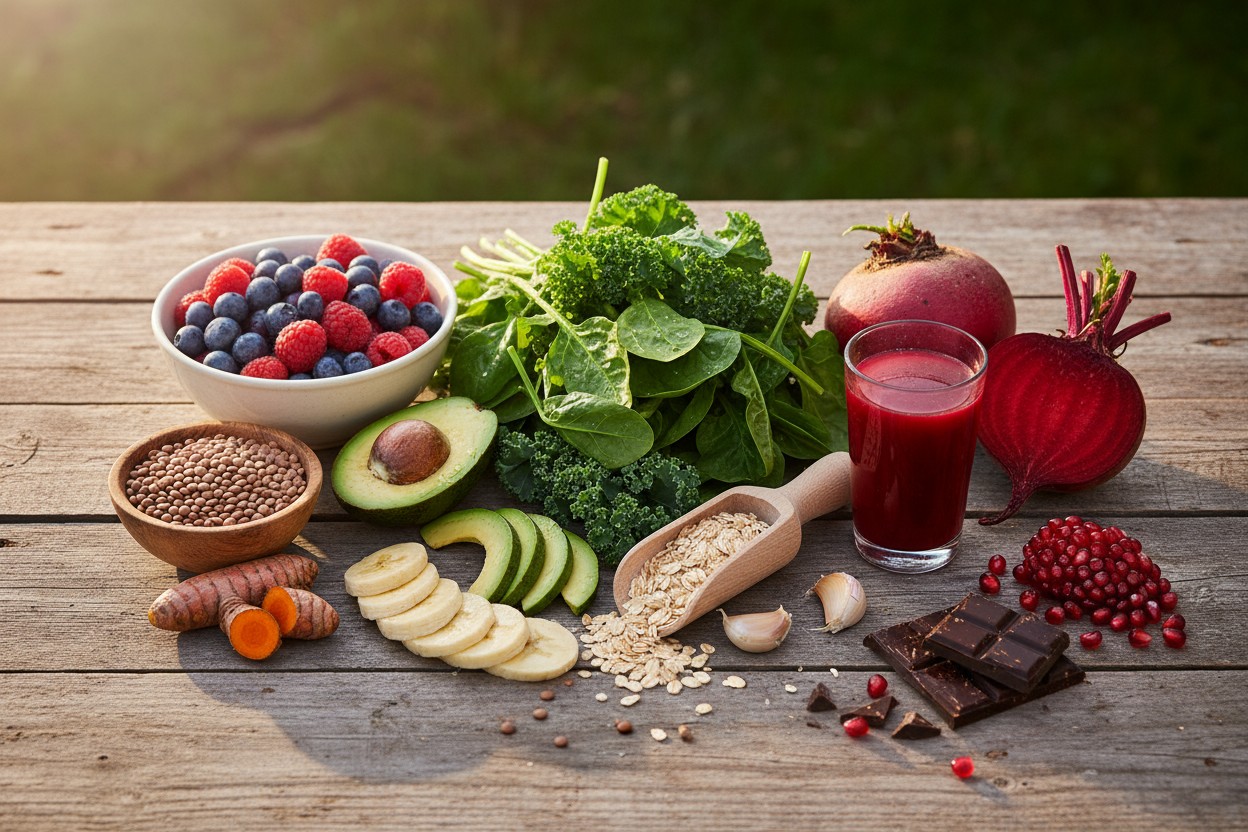
Foods and Drinks That May Help Lower Blood Pressure, According to Research
By Coco Somers // Share

Higher Vitamin C Levels Linked to Greater Brain Volume in Older Adults, Study Finds
By Chase Codewell // Share
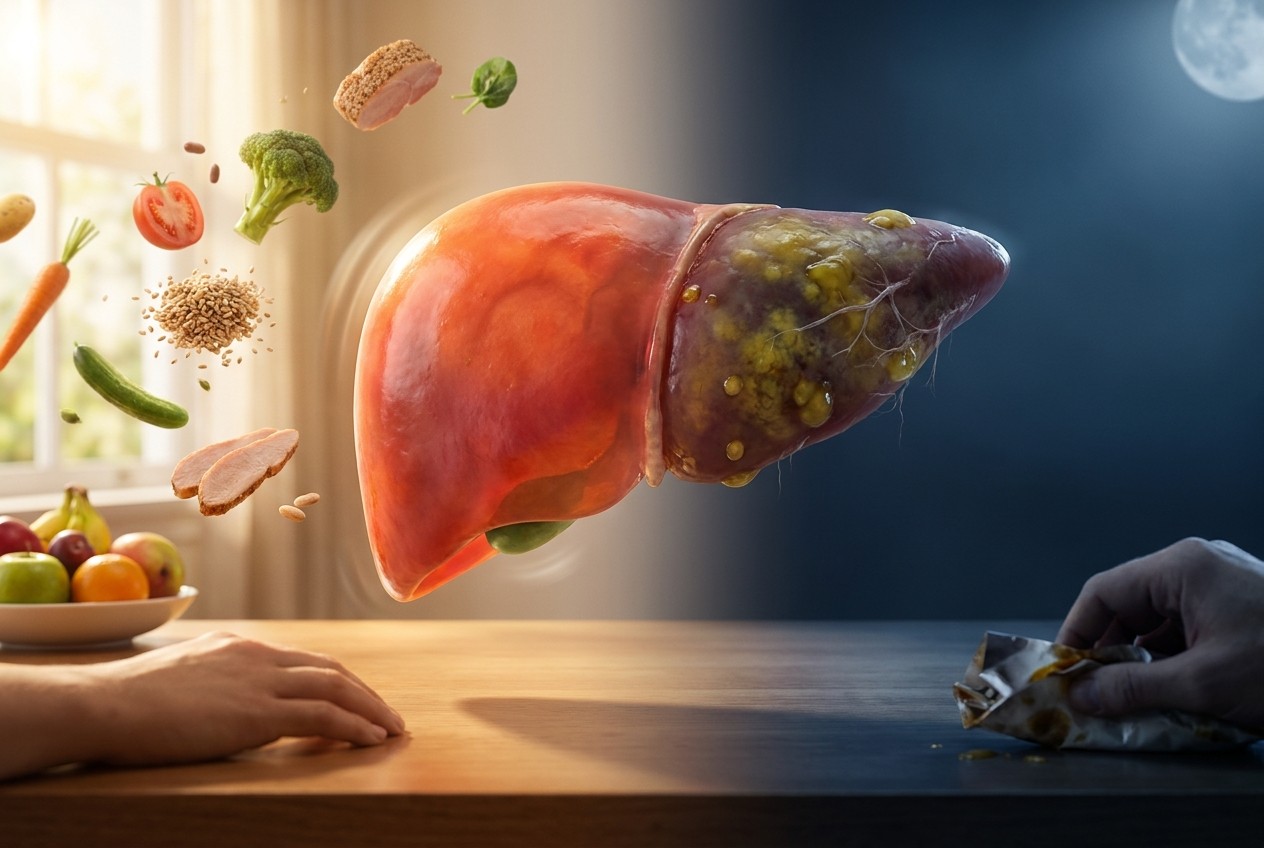
Study: Late-Night Eating Linked to Higher Risk of Fatty Liver Disease and Cirrhosis
By cocosomers // Share
The sweet scent of health: Exploring the benefits of sweet orange essential oil
By lauraharris // Share
Cholesterol Test May Miss Inflammation-Linked Heart Risks, Study Finds
By chasecodewell // Share

JD Vance Says U.S. Has "Decisively Won" Iran War in Some Ways as Midterms Near
By garrisonvance // Share

Trump Approval Rating Falls to Record Low; Republican Candidates Adjust Midterm Campaigns
By douglasharrington // Share

Lawmakers want an AI pause but can’t say what they’d actually pause
By isabelle // Share