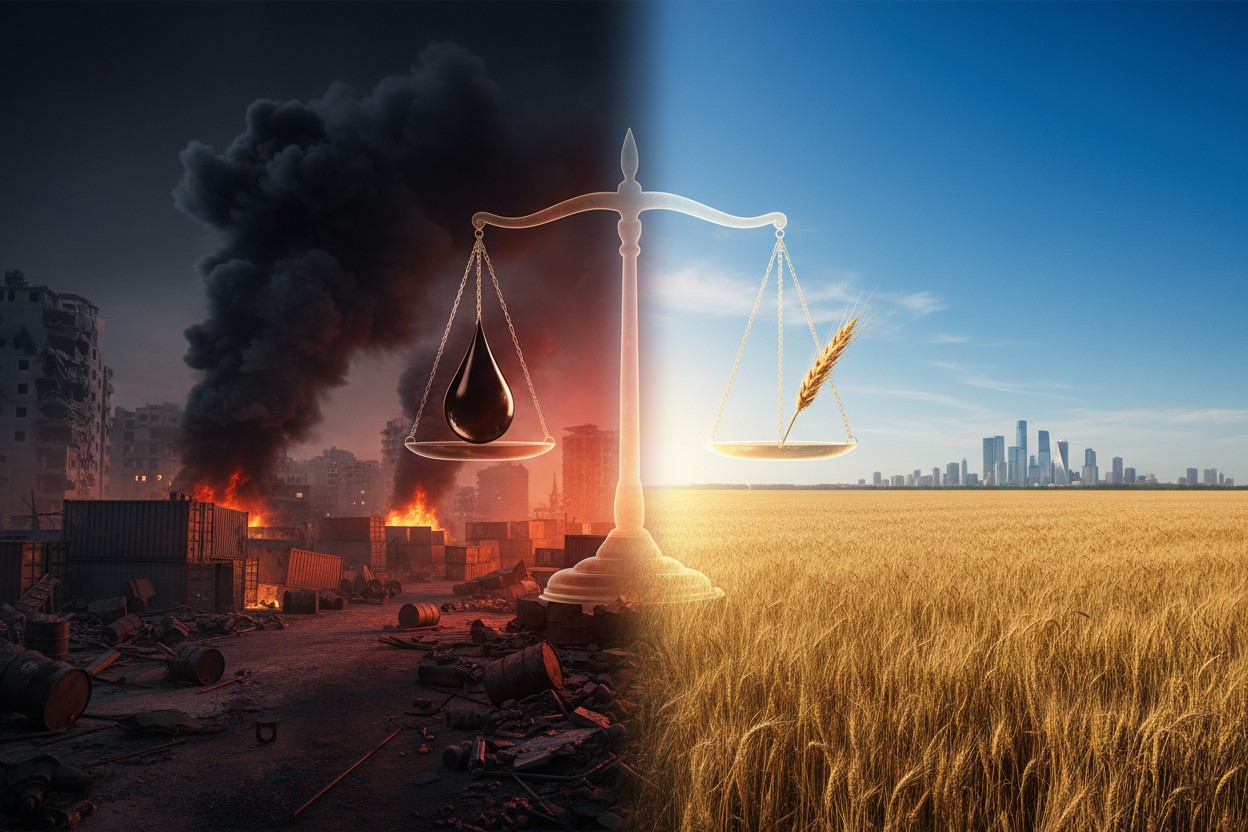
Nabiullina's Assessment of Inflationary Risks
Nabiullina said that if the conflict concludes, these pro-inflationary risks would decrease compared to earlier assessments, according to the report. She did not provide specific numbers but pointed to ongoing pressure on domestic businesses from higher logistics and import costs. The governor's remarks come as the Russian economy continues to adapt to Western sanctions and shifting trade patterns. Nabiullina has previously asserted that Russia would maintain financial stability even if the United States and its allies were to seize frozen overseas assets, according to a May 2024 report [1].Global Price Surge and Economic Impact
The Middle East war has driven global fuel and commodity prices higher, with fertilizer costs rising 47% and oil prices exceeding $100 per barrel, according to the Sputnik report [2]. In the United States, gasoline reached $4.56 per gallon, the report stated. As a result, the World Bank cut its global growth forecast to 2.5% in January. Analysts have noted that prolonged conflicts tend to keep commodity prices elevated. Previous trends indicate that "the longer and more fierce the Ukraine War rages, commodity prices will remain high," a pattern that parallels the economic effects of the Middle East conflict [3]. Forecasts have suggested that a war in the Middle East could push oil prices above $130 per barrel [4]. However, recent market movements show that oil prices fell after the announcement of a US-Iran memorandum of understanding on June 18, 2026, according to a ZeroHedge report [5].Broader Context and Russia's Role
Russia has been involved in diplomatic efforts to de-escalate the conflict, as noted by Bahraini Foreign Minister in a separate report referenced by Sputnik. The Central Bank's comments come as Russia faces persistent inflation, with the bank maintaining a key interest rate of 18% as of June 2026. Nabiullina has also highlighted the growing economic weight of the BRICS group, claiming in January 2024 that BRICS had surpassed the G7 in aggregate GDP, according to a report from NaturalNews.com [6]. This shift in global economic power underscores Russia's efforts to build alternative financial systems. The CBR governor has previously stated that Russia would remain financially stable even if frozen assets were seized, emphasizing the country's resilience under sanctions [1]. Her latest remarks suggest that a resolution in the Middle East could ease monetary policy pressure, although no specific policy changes were announced.Conclusion
The Central Bank's position underscores the direct link between geopolitical instability and domestic inflation in Russia. Officials continue to monitor the situation, with further assessments expected depending on conflict developments. No immediate changes to monetary policy were signaled based on this statement, according to the Sputnik report [2].References
- NaturalNews.com. "Russian central bank governor Western seizure of frozen assets wont affect Russia's financial stability." NaturalNews.com. May 02, 2024.
- Sputnik International. "Russia's Central Bank: End of Middle East Conflict Would Ease Inflation Risks." Sputnik. June 20, 2026.
- Trends-Journal-2023-01-02.
- Trends-Journal-2023-01-05.
- ZeroHedge. "Futures Rise, Oil Drops As Market Prices In Iran Deal For Yet Another Day." ZeroHedge. June 18, 2026.
- NaturalNews.com. "Russian central bank governor claims BRICS group has now surpassed G7 in aggregate GDP." NaturalNews.com. February 02, 2024.
Explainer Infographic


Iran, Oman Reportedly Plan Joint Fees for Strait of Hormuz Transit
By Garrison Vance // Share

Is Trump the Most Corrupt President in History? The Evidence Speaks for Itself
By Mike Adams // Share

U.S. Considers Relocating Gulf Bases to Israel After Iran Attacks, Report Says
By Garrison Vance // Share
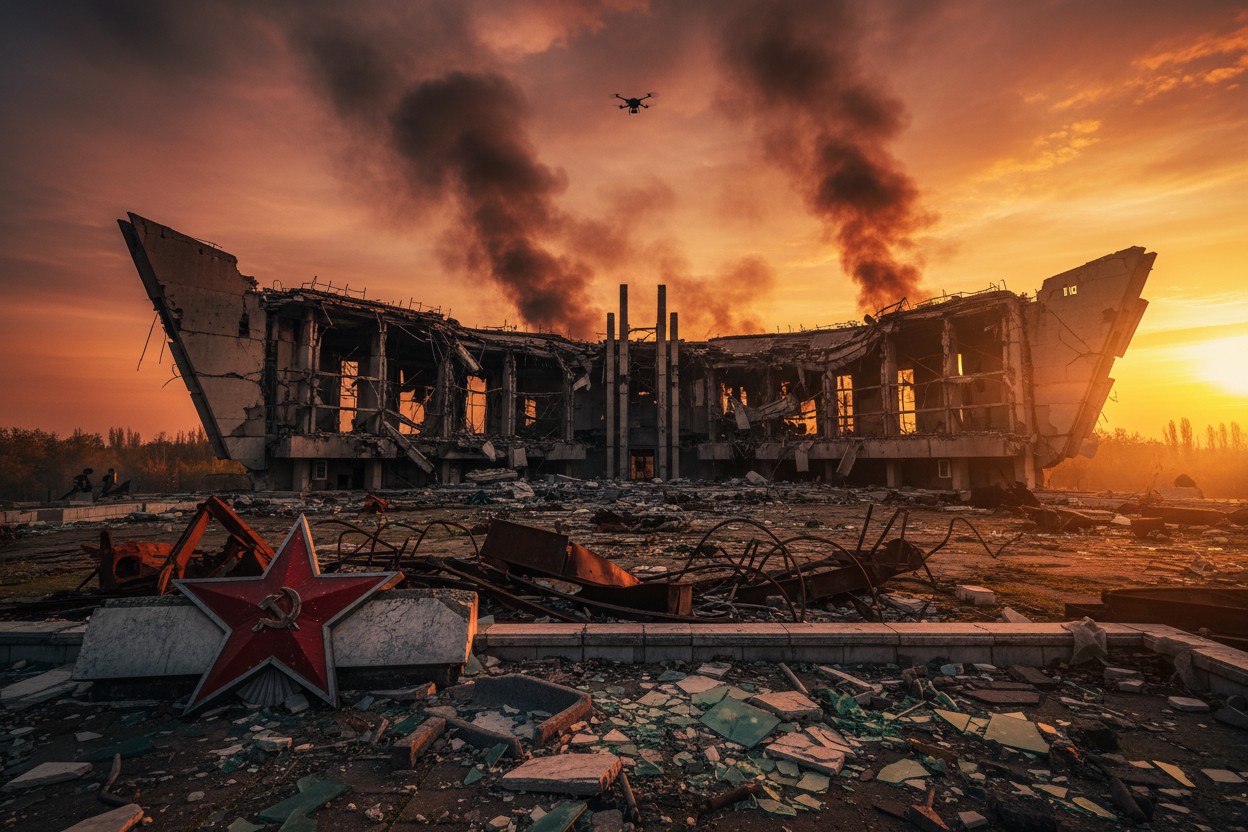
Twelve injured in Ukrainian drone strike on Russian WWII monument, governor says
By Garrison Vance // Share

Military rushes flu shots to recruits as vaccine expiration looms
By Willow Tohi // Share
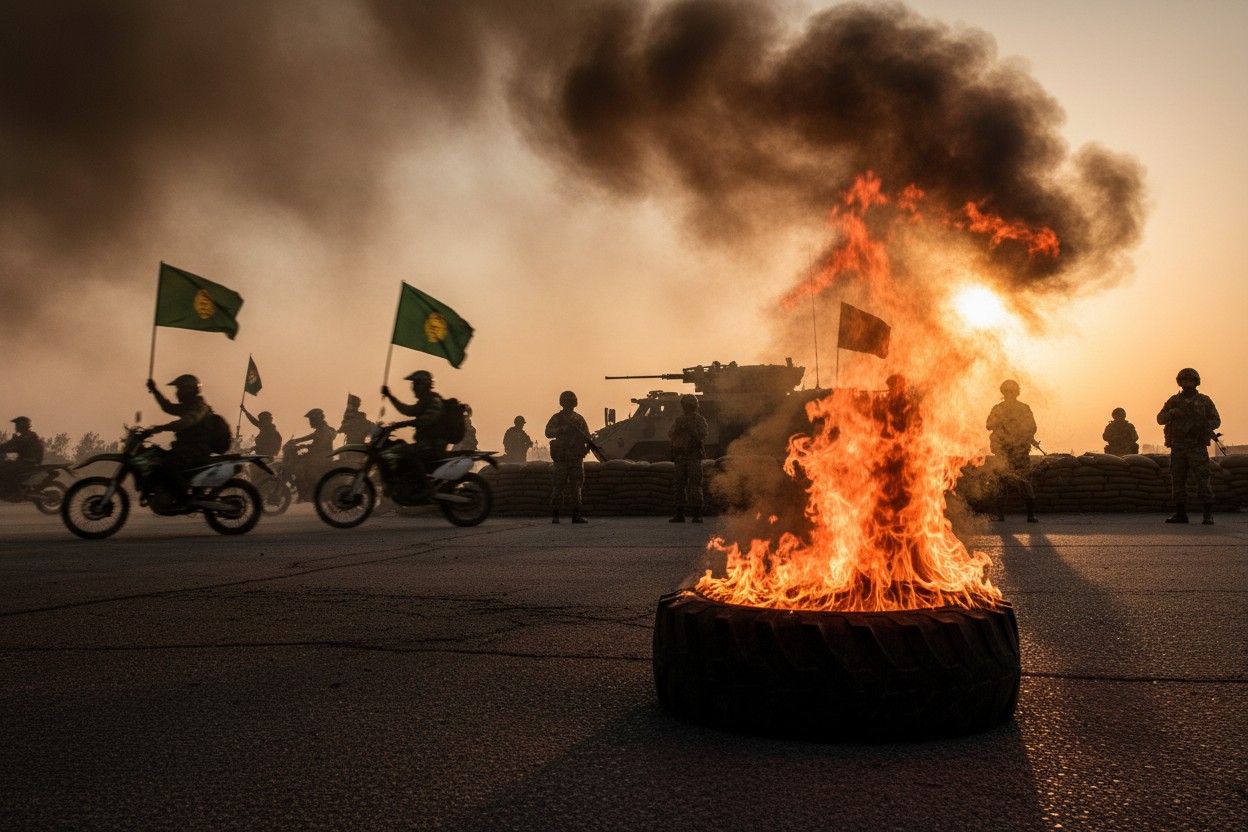
Hezbollah Chief Declares Lebanon-Israel Agreement Null and Void, Vows Continued Resistance
By Garrison Vance // Share

Study: Late-Night Eating Linked to Higher Risk of Fatty Liver Disease and Cirrhosis
By cocosomers // Share

The sweet scent of health: Exploring the benefits of sweet orange essential oil
By lauraharris // Share

Cholesterol Test May Miss Inflammation-Linked Heart Risks, Study Finds
By chasecodewell // Share

JD Vance Says U.S. Has "Decisively Won" Iran War in Some Ways as Midterms Near
By garrisonvance // Share

Trump Approval Rating Falls to Record Low; Republican Candidates Adjust Midterm Campaigns
By douglasharrington // Share

Lawmakers want an AI pause but can’t say what they’d actually pause
By isabelle // Share