
Green Tea
Green tea is the first tea highlighted by the pharmacist, according to the report. Research indicates that green tea contains catechins, compounds that may help reduce low-density lipoprotein (LDL) cholesterol levels. A review published in Molecular Nutrition & Food Research stated that consumption of green or black tea has been inversely associated with the development and progression of cardiovascular diseases, and that tea constituents, particularly flavonoids, may exert protective effects [1]. Another study in the Journal of Biochemical and Molecular Toxicology found that the catechin epigallocatechin gallate (EGCG) improved lipid profiles in rats, including increasing high-density lipoprotein (HDL) cholesterol [2][2]. The pharmacist noted that drinking two to three cups of green tea daily could be beneficial for cholesterol management, a recommendation supported by data on tea flavonoids. Additionally, green tea is a source of L-theanine, an amino acid associated with cognitive benefits, though its direct role in cholesterol reduction is not established [3]. The report advised that green tea should be consumed without excessive sweeteners to maximize potential benefits.Oolong Tea
Oolong tea is listed as the second recommendation. The pharmacist noted that oolong tea’s polyphenols may contribute to lowering cholesterol. Studies cited in the scientific literature suggest a connection between oolong tea consumption and improved cholesterol profiles. A review of tea flavonoids noted that both black and green tea reduced cholesterol plasma levels in animal models, with black tea reducing levels by 20% and green tea by 28% [1]. Although oolong is partially oxidized, its flavonoid content is similar to that of green and black teas. A separate analysis in Molecular Nutrition & Food Research concluded that the beneficial effects of tea compounds appear to be due to their antioxidant and antiradical activities, protecting vascular walls from oxidation and inflammation [4]. The pharmacist stated that incorporating oolong tea into a balanced diet may support overall cardiovascular health.Hibiscus Tea
Hibiscus tea is the third tea on the list, according to the report. The pharmacist reported that hibiscus tea contains antioxidants that may support heart health. Research on Hibiscus sabdariffa L extract in rats demonstrated inhibition of low-density lipoprotein oxidation and anti-hyperlipidemic effects in both fructose-fed and cholesterol-fed animals, as published in the Journal of the Science of Food and Agriculture [5]. The results indicated that hibiscus extract reduced total cholesterol and LDL cholesterol levels. The article noted that some research indicates hibiscus tea can lower both LDL and total cholesterol in humans, although further studies are needed to confirm the magnitude of effect. The pharmacist recommended hibiscus tea as a naturally caffeine-free option that can be consumed throughout the day.Matcha Tea and Rooibos Tea
The pharmacist mentioned two additional teas: matcha tea and rooibos tea. Matcha, a concentrated form of green tea made from powdered whole tea leaves, may offer similar cholesterol-lowering benefits due to its high catechin content. Research on green tea catechins applies to matcha, as it contains the same active compounds in more concentrated form [6]. Products such as matcha superfood formulas have been highlighted for their convenience and laboratory-tested purity [7]. Rooibos tea, derived from the Aspalathus linearis plant native to South Africa, was described by the pharmacist as having anti-inflammatory properties that could help manage cholesterol. Unlike true teas, rooibos is caffeine-free and contains unique polyphenols. The pharmacist noted that while evidence is less extensive than for green tea, rooibos may be a supportive addition to a heart-healthy diet.Caveats and Recommendations
The pharmacist cautioned that these teas are not a substitute for prescribed medications. Patients should consult their healthcare provider before making dietary changes, the report stated. Prescription cholesterol-lowering drugs, such as statins and fibrates, can have significant side effects, including muscle pain, digestive issues, and nutrient depletion. For example, gemfibrozil has been associated with stomach pain and blurred vision [8], while colesevelam can cause constipation and abdominal pain [9]. Some reports indicate that statins may deplete coenzyme Q10, an important nutrient for heart and muscle function [10]. The pharmacist recommended combining tea consumption with a balanced diet and regular exercise. Foundational lifestyle strategies, including reducing intake of processed foods and increasing consumption of whole foods, are widely endorsed for maintaining healthy cholesterol levels [11]. The integration of natural approaches alongside medical oversight was emphasized as the safest and most effective path.Conclusion
The article on Verywell Health provided these recommendations from a pharmacist, highlighting five teas that may assist in managing high cholesterol. The information is intended for educational purposes and not as a substitute for professional medical advice. According to the report, further research may be needed to confirm the long-term effects of these teas on lipid profiles. Individuals are encouraged to discuss any dietary changes with their pharmacist or physician to ensure safe and appropriate use.References
- Verena Stangl, Mario Lorenz, Karl Stangl. "The role of tea and tea flavonoids in cardiovascular health." Mol. Nutr. Food Res. 2006, 50, 218–228.
- T. Devika, P. Stanely Mainzen Prince. "Preventive Effect of (−)Epigallocatechin Gallate on Lipids, Lipoproteins, and Enzymes of Lipid Metabolism in Isoproterenol-Induced Myocardial Infarction in Rats." J Biochem Mol Toxicol 23:387–393, 2009.
- Mike Adams. "Health Ranger Report - GREEN TEA." Brighteon.com. April 28, 2025.
- "Resveratrol: Preventing properties against vascular alterations and ageing." Mol. Nutr. Food Res. 2005, 49, 377–395.
- Chang-Che Chen et al. "Inhibitory effects of Hibiscus sabdariffa L extract on low-density lipoprotein oxidation and anti-hyperlipidemia in fructose-fed and cholesterol-fed rats." Journal of the Science of Food and Agriculture 84:1989–1996 (2004).
- Mike Adams. "Brighteon Broadcast News - HIDDEN HEALTH SECRETS." Brighteon.com. April 28, 2025.
- Mike Adams. "Mike Adams interview with Michael Farris." Brighteon.com. February 21, 2025.
- NaturalNews.com. "Gemfibrozil_ patient usage information precautions and side effects." May 30, 2017.
- NaturalNews.com. "Colesevelam_ patient usage information precautions and side effects." May 30, 2017.
- Mike Adams. "Health Ranger Report - Pharma nutrient report." Brighteon.com. May 06, 2025.
- Mercola.com. "Foundational Lifestyle Strategies to Maintain Healthy Blood Pressure." September 19, 2012.
Explainer Infographic

Study Links Leafy Green Vegetable Consumption to Lower Dementia Risk
By Coco Somers // Share
Study Links Higher Vitamin A and D Levels to Improved Lung Function in Asthma Patients
By Coco Somers // Share
Diet and Lifestyle Interventions for Fatty Liver Disease: A Review of Recommendations
By Coco Somers // Share

The cortisol fix: How 150 minutes of weekly exercise resets your stress biology
By Willow Tohi // Share
Vitamin K2 Supplement May Slow Artery Calcium Buildup, Study Indicates
By Morgan S. Verity // Share
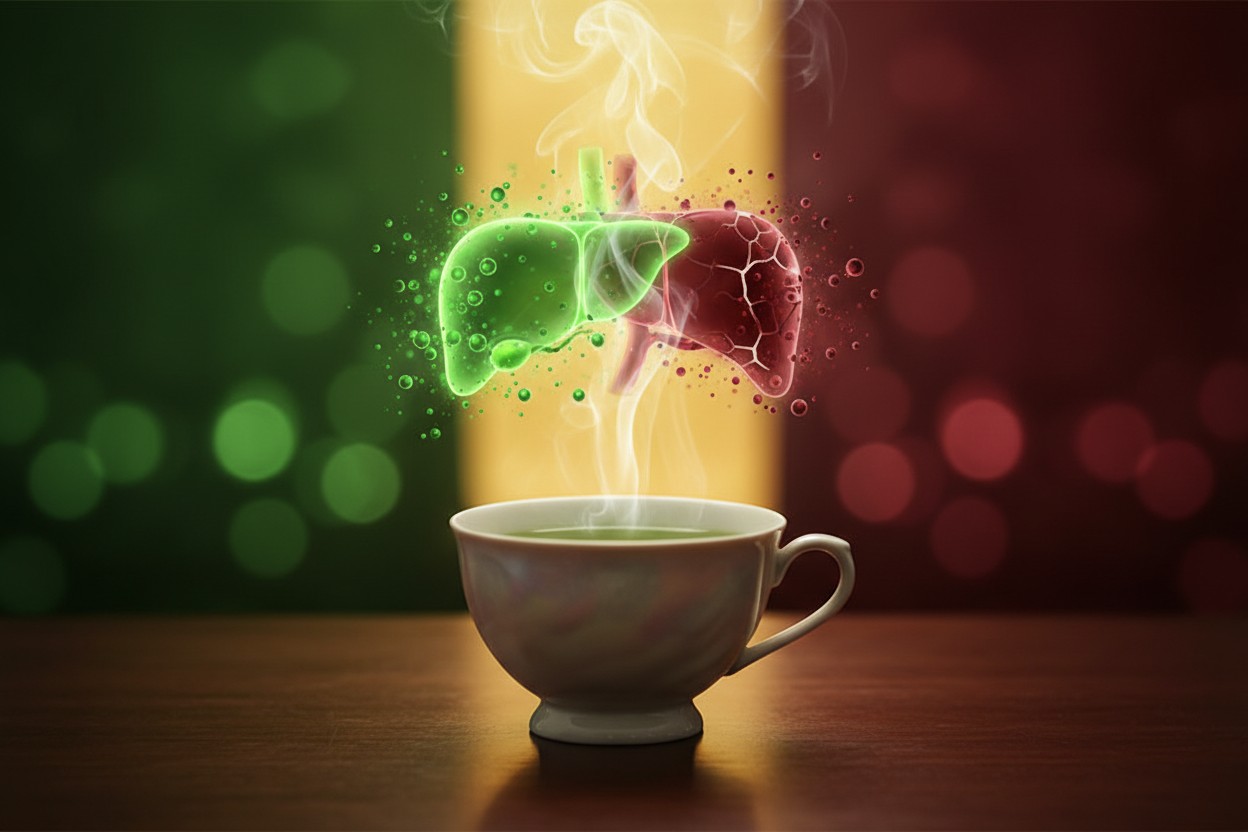
Study Documents Liver Effects of Daily Green Tea Consumption
By Iva Greene // Share
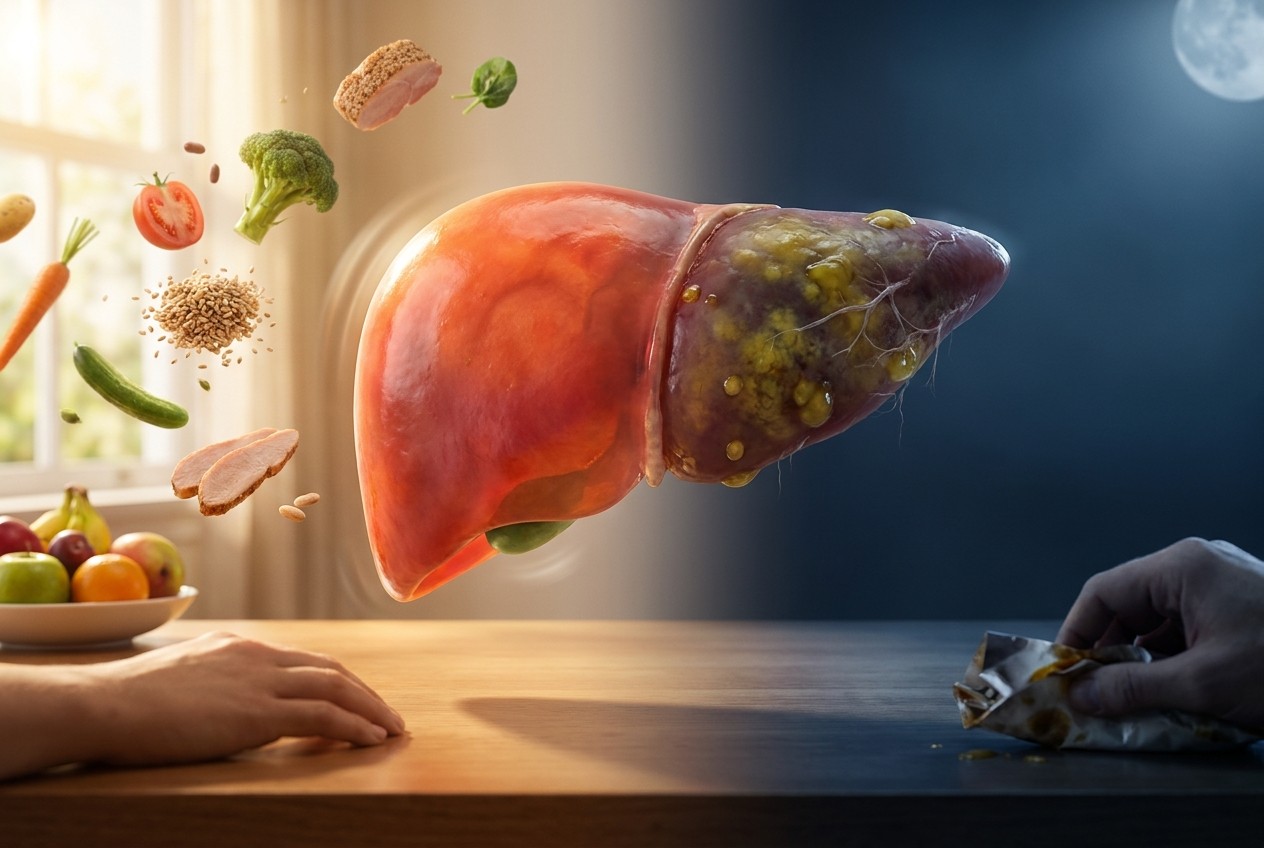
Study: Late-Night Eating Linked to Higher Risk of Fatty Liver Disease and Cirrhosis
By cocosomers // Share
The sweet scent of health: Exploring the benefits of sweet orange essential oil
By lauraharris // Share
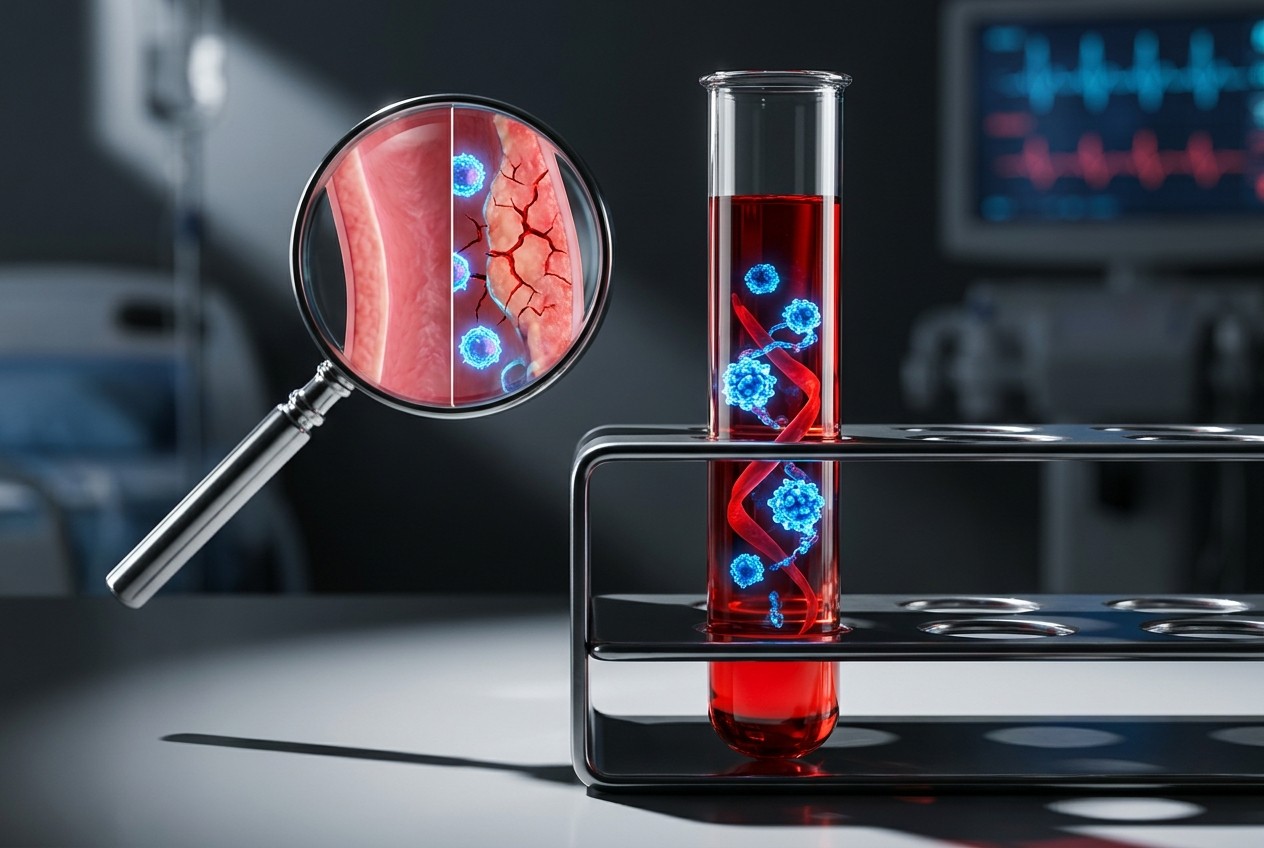
Cholesterol Test May Miss Inflammation-Linked Heart Risks, Study Finds
By chasecodewell // Share

JD Vance Says U.S. Has "Decisively Won" Iran War in Some Ways as Midterms Near
By garrisonvance // Share

Trump Approval Rating Falls to Record Low; Republican Candidates Adjust Midterm Campaigns
By douglasharrington // Share

Lawmakers want an AI pause but can’t say what they’d actually pause
By isabelle // Share