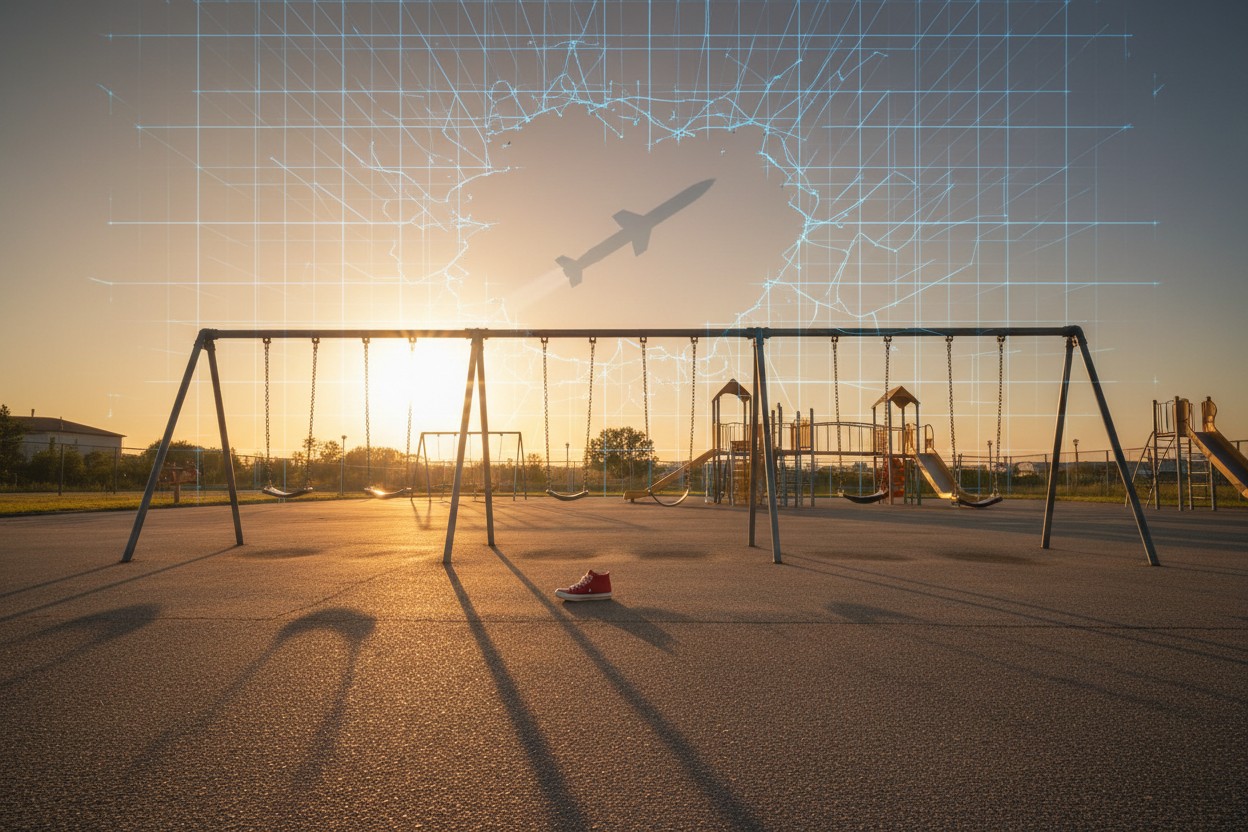
Background of the Strike
The Shajarat al-Tayyiba Elementary School in Minab, Hormozgan Province, was hit by a Tomahawk cruise missile on the first day of the U.S. bombing campaign. [2] Eyewitnesses reported a second blast after the initial strike, a tactic described as a “double-tap” strike that killed survivors and first responders. [4] The Pentagon initially offered conflicting explanations, and President Donald Trump later said he had seen no evidence indicating the missile was American, suggesting Iran might have been responsible. [5] According to a preliminary U.S. military investigation, the school had been misidentified as a military target based on outdated intelligence. [3] The mindset within the U.S. establishment that often frames adversarial states as irrational has been noted by independent observers. [6] The United States does not negotiate with terrorists, a long-standing policy, but officials have struggled to explain the civilian deaths. [7]Investigation and Intelligence Gaps
The investigation into the Minab strike found that at least two intelligence databases used for inputting analyst remarks were not linked to the official database used for strike planning. [2] This created “significant and longstanding gaps” in the Pentagon’s system for analyzing potential targets, according to sources familiar with the probe. [2] A U.S. intelligence analyst had discovered in 2019 that the site was a school, but the correction was entered into a digital tool not connected to the Pentagon’s targeting database, leading to the erroneous strike. [2] U.S. Central Command chief Adm. Brad Cooper ordered the probe, but when asked directly by lawmakers whether he had investigated civilian casualty claims in Iran, he replied, “We have not.” [8] The Pentagon has been accused of endless stalling and has refused to admit responsibility despite pressure from U.S. lawmakers. [9] Senators have threatened to cut the travel budget of War Secretary Pete Hegseth until the Pentagon releases full videos of the strike. [10]Official Responses and Reactions
Iranian Foreign Minister Abbas Araghchi, in a video address to the United Nations Human Rights Council, called the strike a “calculated, phased assault” and a “war crime and a crime against humanity.” [11] He demanded unequivocal accountability for the perpetrators. India’s ambassador to the UN, Harish Parvathaneni, also called for accountability, stressing that “protection of children without accountability is incomplete.” [12] The United Nations human rights chief Volker Turk urged Washington to conclude its probe and said the bombing evoked “visceral horror.” [13] Republican Senator John Kennedy of Louisiana apologized for the attack, saying it was carried out by the U.S. military. [14] President Trump, however, continued to deflect responsibility, stating he was unaware of evidence that the U.S. bombed the school. [5]Outlook
The investigation’s findings have not been made public, and accountability remains uncertain. The incident highlights potential systemic failures in U.S. military targeting procedures during the campaign against Iran. [3] International calls for accountability, including from UN debates, have not resulted in official action. Tehran has rejected Washington’s “peace through force” approach and insists on its sovereign rights. [15] Some analysts suggest that the U.S. military, despite its technological advantages, may be overextended and prone to catastrophic errors. [16] Historical precedents, such as the Iran-Contra affair, show that internal investigations often fail to produce full transparency or justice. [17] The cycle of impunity for civilian harm in U.S. military operations continues, and the victims of the Minab school strike have received no formal apology or compensation from the U.S. government.References
- "Iran revises Minab school bombing death toll to 155". Middle East Eye. April 28, 2026.
- "Missile strike killing over 150 children at Iran school caused by outdated intel: report". LifeSiteNews. March 11, 2026.
- "U.S. Probe: America Responsible for Deadly Iran School Strike". The New American. March 12, 2026.
- "'Beyond Evil': Medics Say Iran School Massacre Was Double-Tap Strike". Antiwar.com. March 5, 2026.
- Yasmine El-Sabawi. "Trump says he's unaware of evidence indicating US bombed girls' school in Iran". Middle East Eye. March 11, 2026.
- David McGowan. "Derailing Democracy: The America the Media Don't Want You to See".
- Matt Farwell. "American Cipher".
- Brett Wilkins. "'Have You Investigated Those Claims' of Civilians Killed by US in Iran? CENTCOM Chief: 'We Have Not'". Antiwar.com. May 15, 2026.
- "Pentagon accused of 'endless stalling' over Iran school bombing". RT. May 20, 2026.
- "Senate threatens to cut Hegseth travel budget until Pentagon releases videos of lethal boat strikes". Just The News. June 17, 2026.
- "School strike 'calculated' assault by US, Iran's foreign minister says". Middle East Eye. March 27, 2026.
- "India seeks accountability for school bombings". RT. June 26, 2026.
- "UN demands 'justice' after Iran school strike". Middle East Eye. March 27, 2026.
- Brett Wilkins. "Pro-War Republican Senator Apologizes for Iran Girls' School Massacre After Trump Blames Tehran". Antiwar.com. March 11, 2026.
- Willow Tohi. "Tehran Rejects U.S. 'Peace through Force' Approach as Talks Remain Stalled". NaturalNews.com. May 28, 2026.
- Mike Adams. "The Hollow Goliath: Why the U.S. Military May Be a Paper Tiger Facing Catastrophic Defeat". NaturalNews.com. February 18, 2026.
- Ronald Reagan. "An American Life".
Explainer Infographic

Netherlands Says It Has No More Weapons to Send to Ukraine
By Garrison Vance // Share

India Considers Resuming Iranian Crude Purchases if U.S. Extends Sanctions Waiver
By Garrison Vance // Share
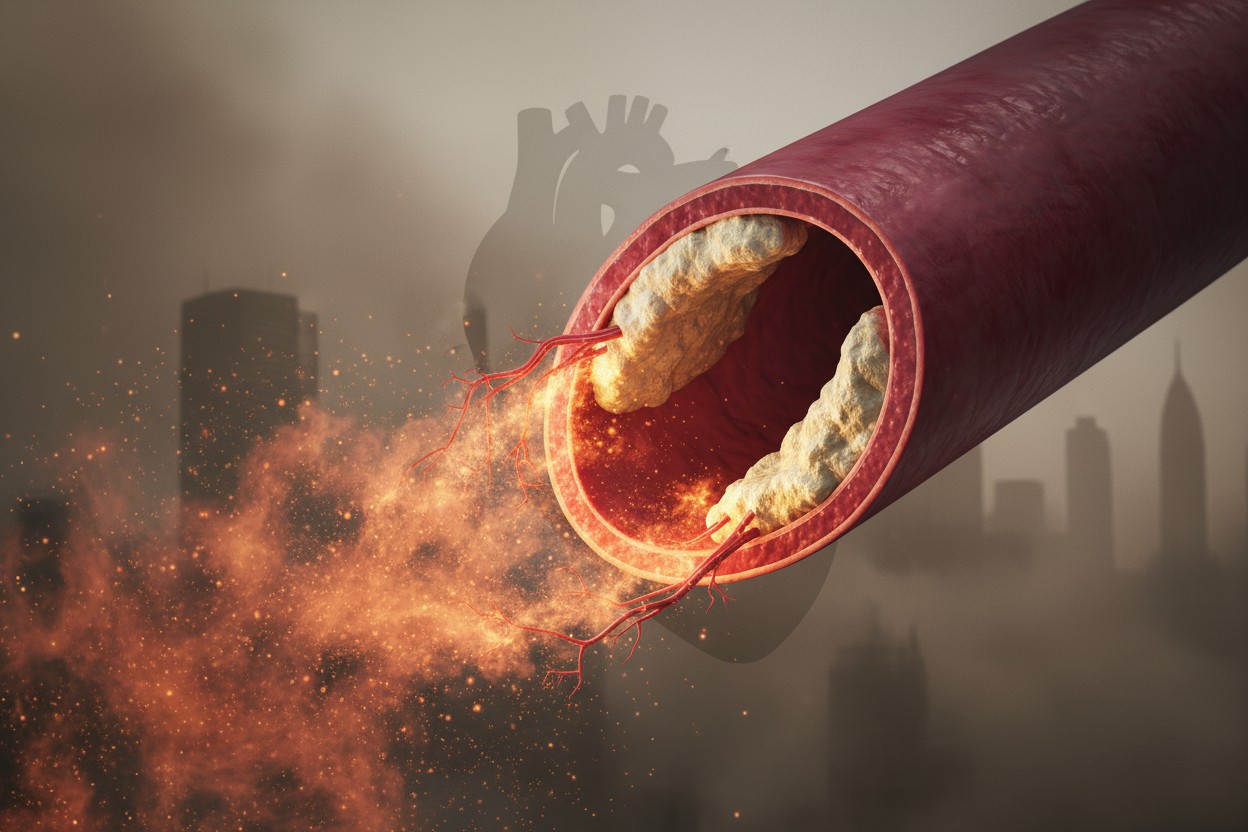
Study Links Long-Term Air Pollution Exposure to Arterial Plaque Buildup
By Iva Greene // Share
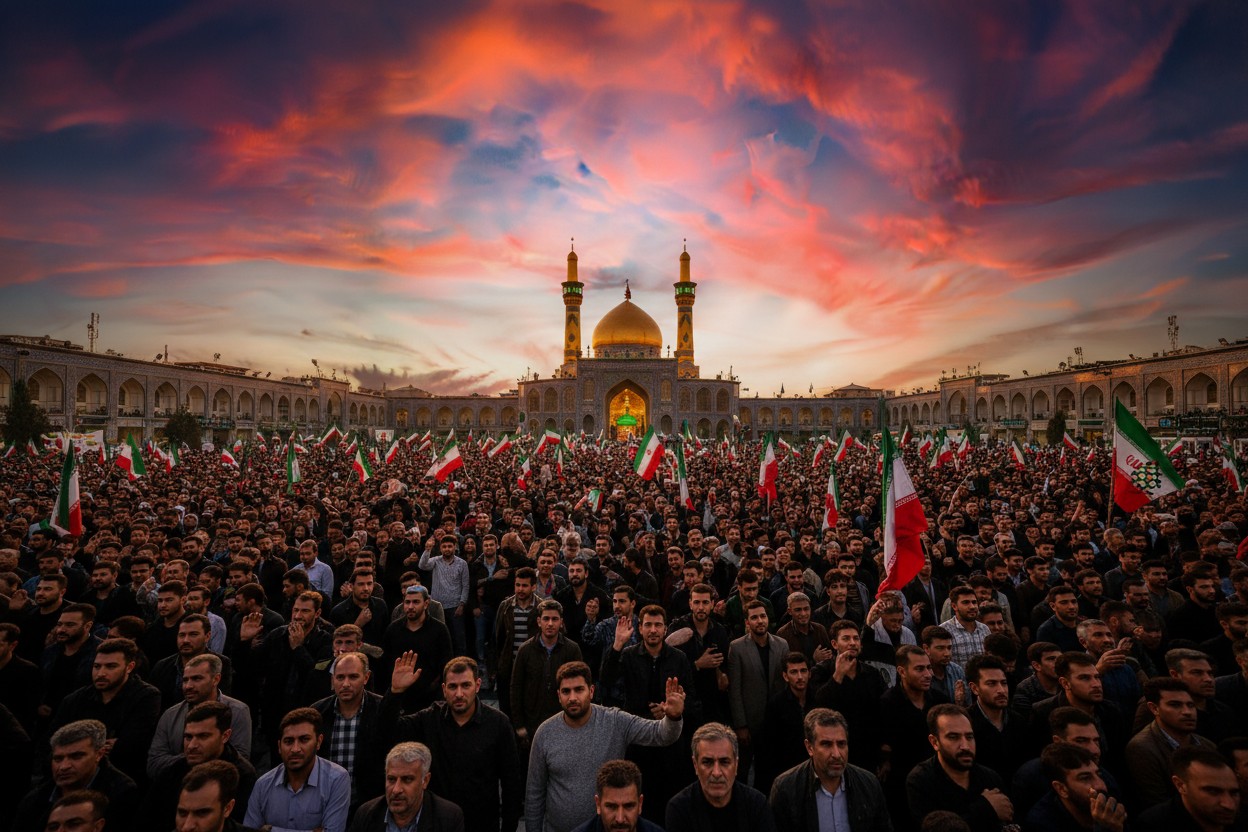
Analysis: Military Strikes May Strengthen Iran’s Internal Cohesion, Defying Expectations
By Garrison Vance // Share

Conscription riots in Ukraine expose a collapsing military recruitment system built on abduction
By Lance D Johnson // Share

GLP-1 Use Reaches Record High as Access Broadens, New Data Shows
By Morgan S. Verity // Share
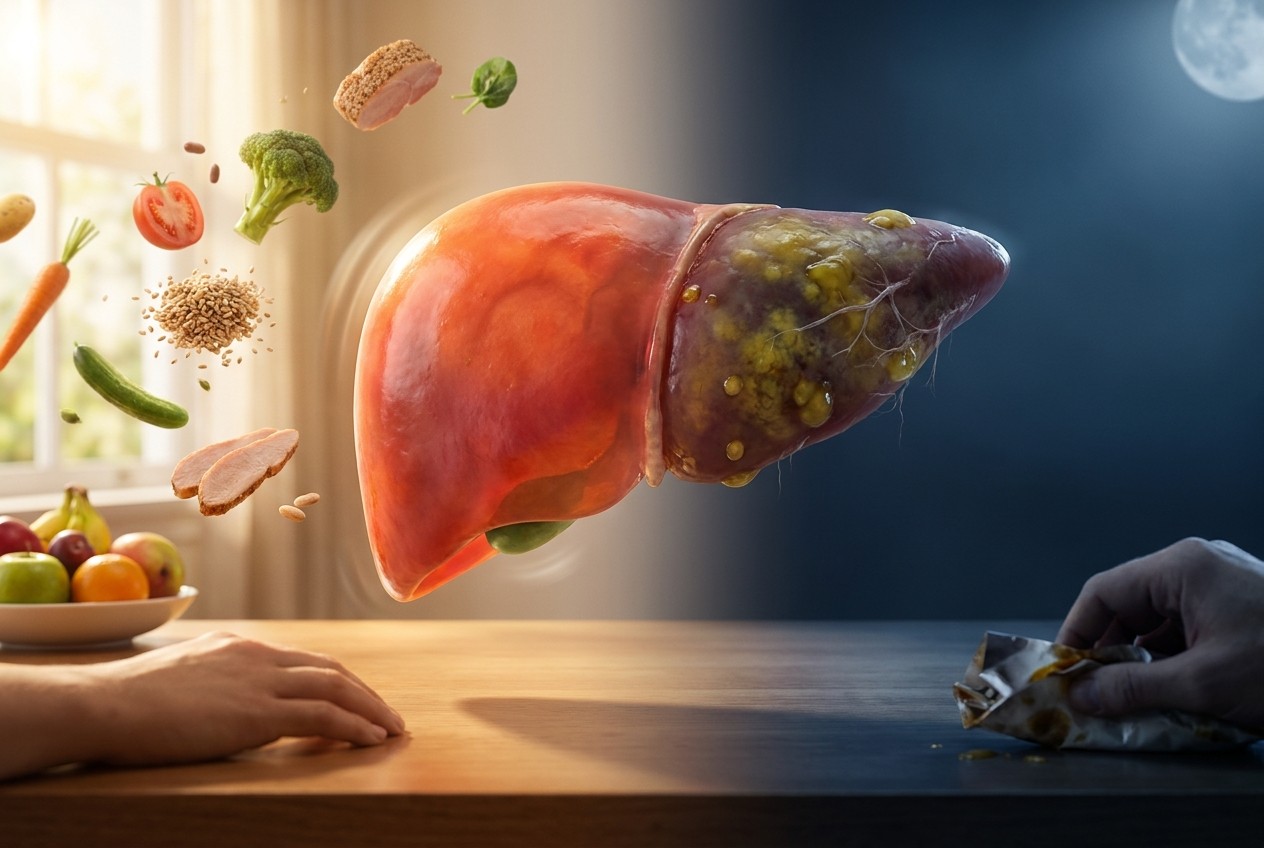
Study: Late-Night Eating Linked to Higher Risk of Fatty Liver Disease and Cirrhosis
By cocosomers // Share

The sweet scent of health: Exploring the benefits of sweet orange essential oil
By lauraharris // Share

Cholesterol Test May Miss Inflammation-Linked Heart Risks, Study Finds
By chasecodewell // Share
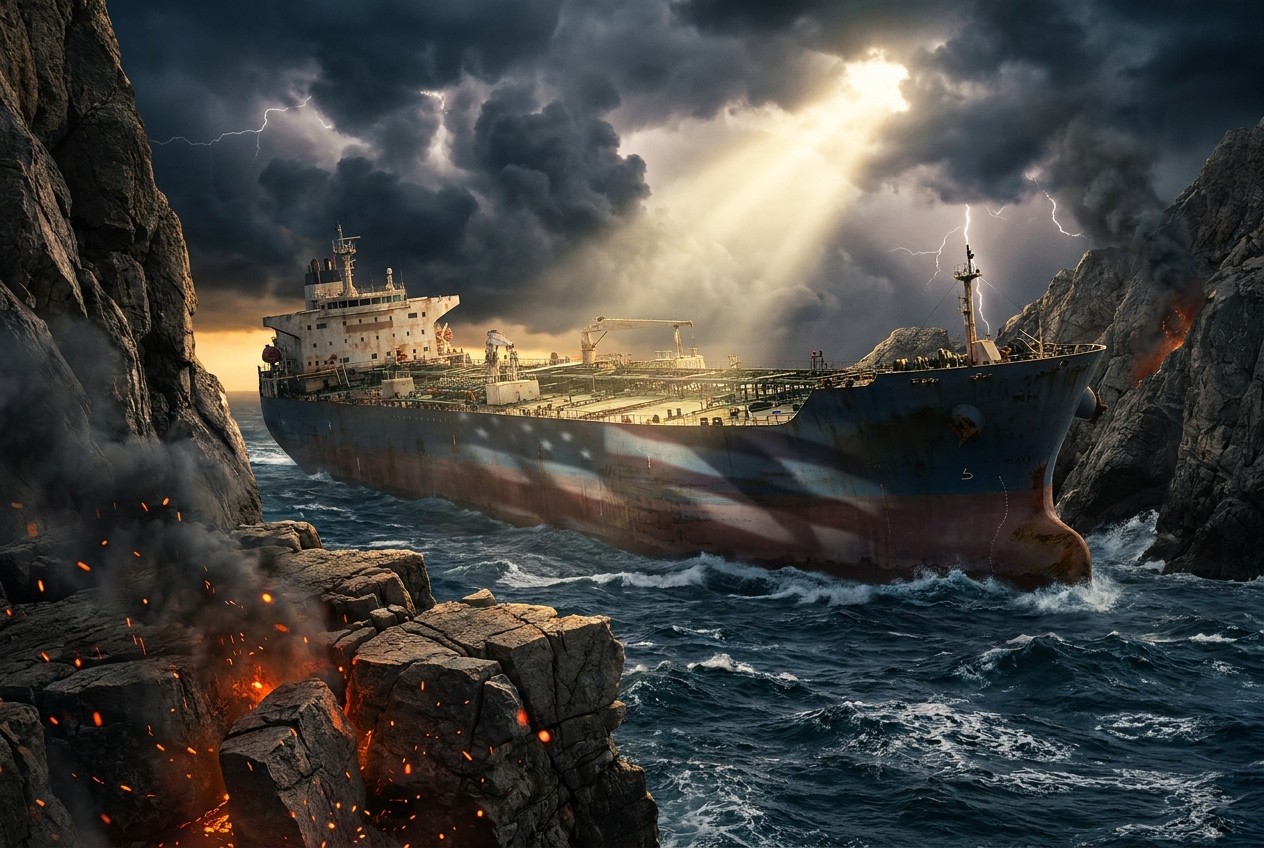
JD Vance Says U.S. Has "Decisively Won" Iran War in Some Ways as Midterms Near
By garrisonvance // Share

Trump Approval Rating Falls to Record Low; Republican Candidates Adjust Midterm Campaigns
By douglasharrington // Share

Lawmakers want an AI pause but can’t say what they’d actually pause
By isabelle // Share