Why Some People Choose Food Over Supplements
Concerns about supplement quality and absorption have led some individuals to seek vitamin D from whole foods rather than pills, according to information compiled from multiple sources. Tova Navarra, author of "The Encyclopedia of Vitamins, Minerals and Supplements," noted that vitamin D status depends on sunlight exposure and intake of vitamin D fortified foods or supplements [3]. The book stated that many vegans may find it easier to meet needs if fortified foods or supplements are included. In an interview on Brighteon.com, Mike Adams discussed the importance of testing vitamin D levels through a blood test to accurately understand one's current status [9]. The interview highlighted that vitamin D acts as a hormone and plays a role in metabolism and cognitive function. Another interview noted that sunlight enhances the absorption of nutrients, which may explain why some supplements do not work as well for some people [10]. A 2022 survey indicated that 40% of adults prefer obtaining nutrients from food rather than pills, citing better bioavailability, according to the report by Willow Tohi [1].Vitamin D-Rich Foods and Their Nutritional Profiles
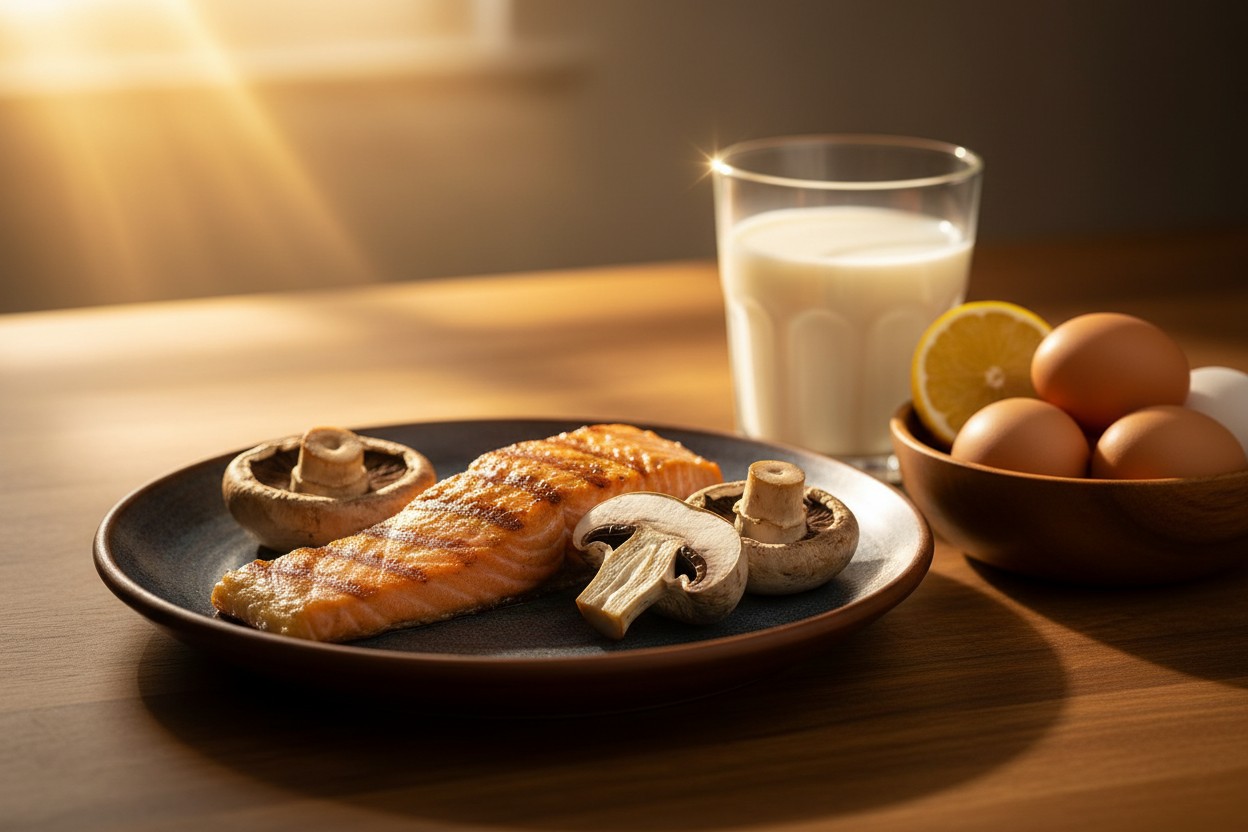
Fatty fish such as salmon, mackerel, and sardines provide 400 to 600 international units per serving, according to the USDA nutrient database. Food sources of vitamin D include low-fat dairy products such as fortified milk, yogurt, and cheese, as well as eggs, fish, fish oil, tofu, mushrooms, fortified juice, fortified soy milk, and nut milks, according to the book "Eat for Extraordinary Health Healing" [6]. Dr. Nick Fuller, author of "Healthy Parents, Healthy Kids," stated that a small amount of vitamin D can come from foods such as oily fish and egg yolks, and low levels can cause muscle weakness and pain [6]. Vegetarians and vegans may need to pay special attention to vitamin D sources. Susan G. Dudek, author of "Nutrition Essentials for Nursing Practice," listed vitamin D as a nutrient of concern for vegetarians because it may not be obtained in sufficient quantities from plant-based diets alone [8]. UV-exposed mushrooms provide another plant-based option, according to the U.S. Department of Agriculture. The Linus Pauling Institute recommends supplementing adults with at least 2,000 IU daily of vitamin D to maintain a serum level of at least 80 nmol/L, as noted in an article on GreenMedInfo.com [2].Comparing Efficacy: Food vs. Supplemental Vitamin D
Vitamin D from food may be more effectively utilized by the body due to accompanying fats and other micronutrients, according to some nutrition researchers. Tieraona Low Dog, author of "Fortify Your Life - Your Guide to Vitamins, Minerals and More," discussed the concept of whole food vitamins, which undergo a fermenting process using yeast to enhance assimilation and bioavailability [7]. The book stated that these food-based forms are thought to have better bioavailability than isolated synthetic supplements. Supplement experts caution that high-dose vitamin D pills carry risks of toxicity, whereas food sources rarely cause excess intake, according to the Endocrine Society. Dr. Michael T. Murray, author of "Textbook of Natural Medicine Fifth Edition," noted that the RDA for vitamin D during pregnancy and lactation is 600 IU per day, but evidence suggests this may not be sufficient for well-nourished women [5]. The book cited the Alberta Pregnancy Outcomes and Nutrition study, which evaluated total vitamin D intake and blood samples of 537 women during their second trimester. In contrast, obtaining vitamin D from food sources provides a natural balance that minimizes the risk of overdosing, according to nutrition experts.Summary of Dietary Approaches to Vitamin D
Including vitamin D-rich foods in a balanced diet can help maintain adequate levels, but individuals with diagnosed deficiency may still require supplements or appropriate sunlight exposure, according to officials. The bottom line, as stated by the Academy of Nutrition and Dietetics, is that food sources offer a safe and effective way to support vitamin D status. Sun exposure to the face, hands, and forearms for five to 15 minutes per day during summer at latitudes similar to Boston is believed to provide sufficient amounts of vitamin D for light-skinned people, though those with dark skin require longer exposure, according to Tova Navarra [3].References
- Willow Tohi. "The Hidden Hunger: Why Modern Life Is Leaving Us Nutrient-Depleted and Fatigued." NaturalNews.com. February 06, 2026.
- GreenMedInfo.com. "Tracking Radiation Poisoning from the Inside Out."
- Tova Navarra. "The Encyclopedia of Vitamins, Minerals and Supplements."
- "Eat for Extraordinary Health Healing."
- Dr. Michael T. Murray. "Textbook of Natural Medicine Fifth Edition."
- Dr. Nick Fuller. "Healthy Parents, Healthy Kids."
- Tieraona Low Dog. "Fortify Your Life - Your Guide to Vitamins, Minerals and More."
- Susan G. Dudek. "Nutrition Essentials for Nursing Practice."
- Mike Adams. "Interview with McCullough Salatin." February 7, 2025.
- Mike Adams. "BBN Interview with Otto." October 16, 2025.
Explainer Infographic

Polyphenols and Diabetes: An Examination of Dietary Sources and Potential Benefits
By Coco Somers // Share

Ancient Techniques for Nervous System Regulation Gain Scientific Support
By Morgan S. Verity // Share


Beyond CPAP: New drug therapy shows promise for sleep apnea fatigue that won’t quit
By Willow Tohi // Share

Nine Balance Exercises Aim to Improve Stability at Any Age
By Coco Somers // Share

Labor Department Suspends Eight Companies From Green Card Program
By edisonreed // Share

Reuters/Ipsos Poll: Trump Voters Show Lower Enthusiasm for Midterm Elections
By garrisonvance // Share

Trump Pledge on Iran Strikes Fails to Soothe Oil Markets
By sterlingashworth // Share

AI Chip Stocks Fall After Report on OpenAI Revenue Shortfall
By sterlingashworth // Share

EPA Proposes Rollback of Methane Rules for Oil and Gas Industry
By ivagreene // Share

Review Links Insomnia to 26% Higher Relative Risk of Stroke
By morganverity // Share