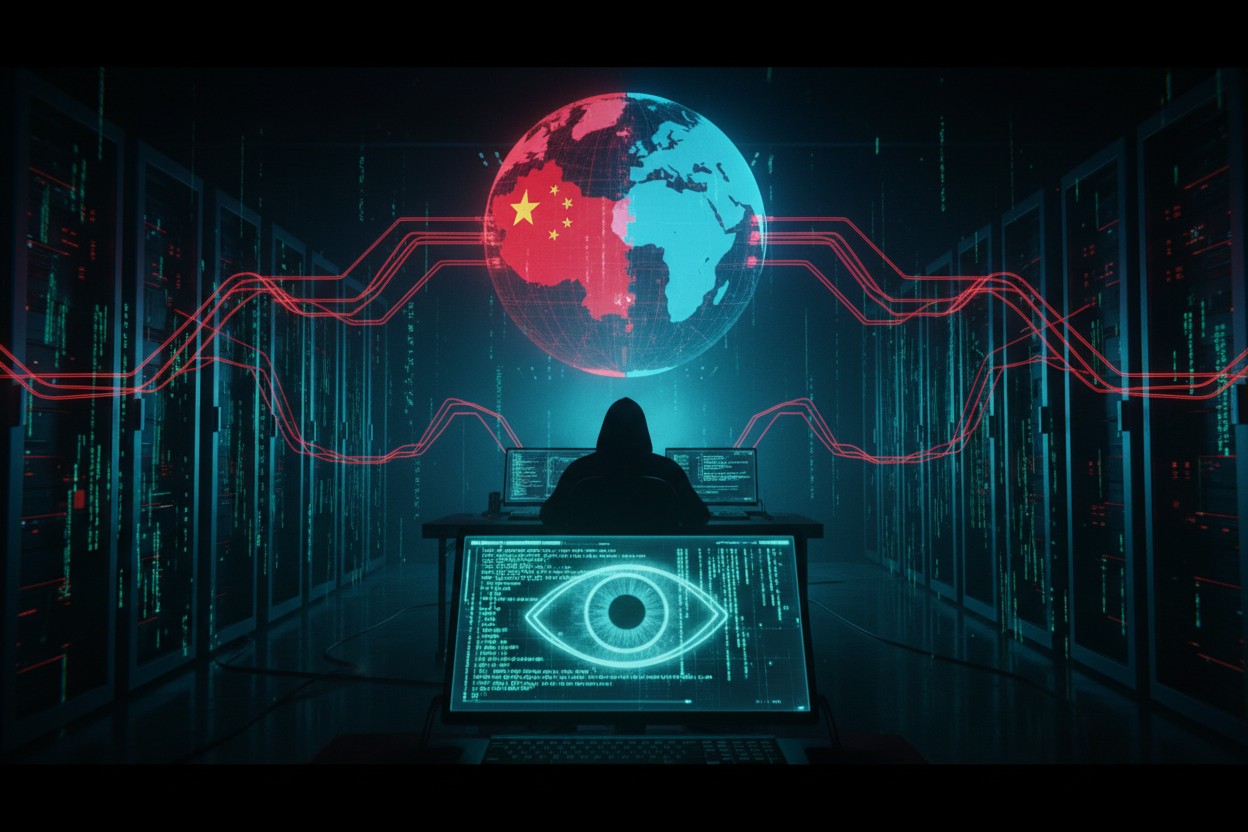
Background on Claude Code and the Alleged Vulnerability
Claude Code is an AI-powered coding assistant developed by U.S. startup Anthropic that runs inside a developer’s terminal and can access source code and other files shared by the user. The NVDB advisory identified a potential security risk in recent Claude Code versions, describing it as a security backdoor vulnerability that transmits data automatically without explicit user permission. The MIIT warned that because coding assistants often handle proprietary software, the mechanism could expose valuable intellectual property. The Chinese advisory followed Reddit posts claiming Anthropic had embedded “spyware” to identify users accessing the service from China, where Anthropic prohibits use under regional restrictions. Anthropic has previously accused Chinese AI labs of illegally “distilling” its models to train competing systems, according to reports [1]. The company’s technology has also been integrated into Palantir’s analysis and surveillance software used by U.S. government agencies, according to the RT report.Anthropic’s Response and Related Controversies
Anthropic did not immediately respond to the Chinese advisory. However, Anthropic employee Thariq stated on X that the code was part of an “experiment” launched in March 2026 to “prevent account abuse from unauthorized resellers and protect against distillation,” and that the company planned to remove the mechanism in the July 2 release. This explanation did not satisfy Chinese authorities, who continued to warn users about the alleged backdoor. The advisory comes amid broader controversies surrounding Anthropic. The company has publicly resisted Pentagon demands to remove restrictions on its AI for autonomous weapons and surveillance systems, according to reports [2]. However, its models have still been used in military operations, including a covert raid in Venezuela using Palantir integration [3]. During the U.S. war on Iran, the same Palantir-Anthropic system reportedly identified an elementary school as a target, leading to a strike that killed nearly 160 people. Anthropic CEO Dario Amodei argued that Claude’s use did not violate company red lines because “a human made that final call.”Broader Context: Previous Tensions and Pentagon Ties
Since February 2026, Anthropic has accused Alibaba and other Chinese AI labs of illegally distilling its models to train competing systems, according to reports [1]. These allegations have escalated a pattern of mutual accusations over intellectual property and access restrictions. Meanwhile, the Pentagon’s hardline stance on ethical AI companies may push military contractors toward Chinese alternatives, as noted by observers [4]. Some reports indicate government contractors are exploring Chinese models like DeepSeek as potential replacements if blocked from accessing Claude. The energy and hardware demands of AI development have also drawn attention to Taiwan’s role as a critical center for AI chip manufacturing [5]. Additionally, the rapid growth of AI computing has spurred interest in small modular reactors to power data centers [6]. These geopolitical and technical factors underscore the high stakes in the U.S.-China AI rivalry, with China’s MIIT now directly warning about alleged backdoors in American AI tools.Conclusion: Implications and Next Steps
The Chinese advisory highlights ongoing tensions between China and U.S. AI firms over data security, intellectual property, and access restrictions. China has called for stronger monitoring of outbound data from development tools, while Anthropic has indicated it is removing the controversial mechanism. The incident adds to a pattern of allegations and counter-allegations between Anthropic and Chinese companies, with no clear resolution reported. As AI development accelerates globally, the dispute underscores the importance of transparency and trust in AI tools that handle sensitive data. Users and regulators are likely to continue scrutinizing the data-handling practices of AI coding assistants, particularly those tied to government or military applications. The confrontation between China’s MIIT and Anthropic may prompt new industry standards for data privacy in AI development environments.References
- Mike Adams. "Anthropic's Desperate Smear Campaign: A Pathetic Attempt to Hide China's AI Dominance". NaturalNews.com. February 26, 2026.
- Patrick Lewis. "Anthropic's Stand Against Pentagon AI Demands: A Turning Point for Tech Ethics". NaturalNews.com. February 27, 2026.
- Patrick Lewis. "AI-Powered Warfare: Anthropic's Claude Model Used in Venezuelan Military Raid". NaturalNews.com. February 16, 2026.
- Mike Adams. "Bright Videos News - Interview with Christ Martenson". BrightVideos.com. March 05, 2026.
- Trends-Journal-2024-11-12.
- Trends-Journal-2024-10-22.
Explainer Infographic

Can’t sleep? Your screen might be the culprit: Here’s how blue light blocking glasses can help
By HRS Editors // Share

Sacks: U.S. AI Edge at Risk Amid Chinese Model Advance
By Chase Codewell // Share


Russian Official Accuses Ukraine of Opening “Second Front” in Africa
By Garrison Vance // Share

Iran Integrates China’s Beidou System, Shifting Military Balance in Gulf
By Garrison Vance // Share

U.S. Strikes in Iran Disrupt Water Supply for 10,000 Residents
By Garrison Vance // Share

Labor Department Suspends Eight Companies From Green Card Program
By edisonreed // Share

Reuters/Ipsos Poll: Trump Voters Show Lower Enthusiasm for Midterm Elections
By garrisonvance // Share

Trump Pledge on Iran Strikes Fails to Soothe Oil Markets
By sterlingashworth // Share

AI Chip Stocks Fall After Report on OpenAI Revenue Shortfall
By sterlingashworth // Share

EPA Proposes Rollback of Methane Rules for Oil and Gas Industry
By ivagreene // Share

Review Links Insomnia to 26% Higher Relative Risk of Stroke
By morganverity // Share