Overview
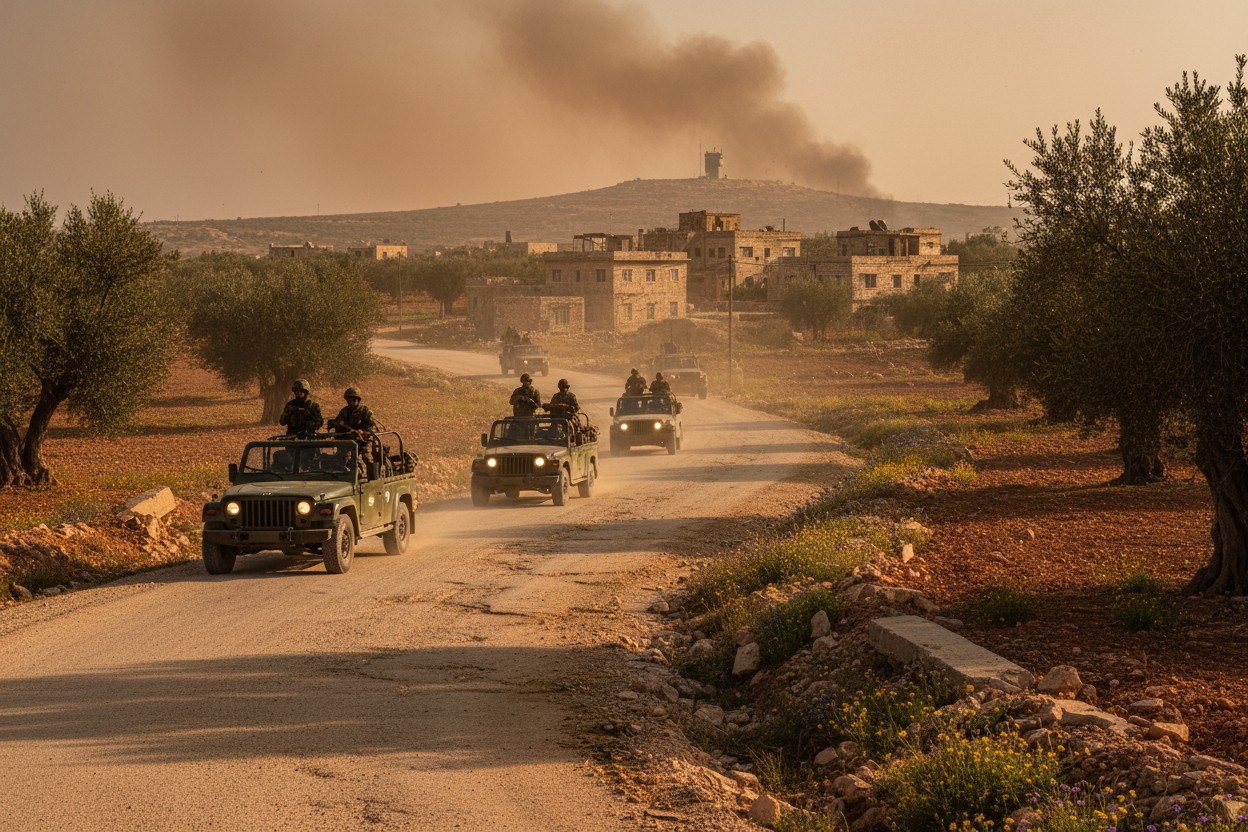
The Lebanese Armed Forces (LAF) are preparing to deploy to two pilot zones in southern Lebanon in the coming days, according to a U.S. official cited by Israeli media. The deployment is part of a U.S.-brokered framework agreement between Beirut and Tel Aviv, under which Israeli forces are expected to withdraw from areas cleared of Hezbollah infrastructure. Lebanese Prime Minister Nawaf Salam said the army would begin deploying in pilot zones as a first phase, according to remarks read by Information Minister Paul Morcos after a cabinet meeting [1]. The next round of talks between Lebanese and Israeli delegations is scheduled for July 15-16 in Rome, with U.S. mediators expected to facilitate technical discussions.Talks and Conditions
Lebanon has stated it will not attend the Rome talks until Israel completes the agreed-upon withdrawal from the pilot zones, an Arab official told the Times of Israel. The framework deal allows Washington to declare each pilot zone before Israeli forces depart, with no clear timetable for full withdrawal, the Arab source said. A U.S. official described the Rome talks as a closed discussion intended to hand off unresolved issues to technical teams. Meanwhile, reports indicate that Israel has delayed its planned pullout from two villages pending agreement on a U.S. oversight mechanism. Israeli security officials told Kan News that “there are currently no timelines” and that withdrawal would only proceed once clear criteria are set [2].Israeli Stance and Local Skepticism
Israeli officials have publicly rejected any large-scale withdrawal from southern Lebanon. Defense Minister Israel Katz said Israeli troops have been instructed to prepare for an extended stay in the so-called security zone [3]. Prime Minister Benjamin Netanyahu named Froun and Zawtar al-Gharbieh as two initial pilot zones late last month, but skepticism has emerged on the ground. The mayor of Froun, Hassan Adel Bazzi, told RT that the town was designated a pilot withdrawal zone despite never being occupied by Israeli forces [4]. The New Arab confirmed that Israeli forces are not present in Ghandourieh, another named pilot zone. The discrepancy has fueled local doubts about the viability of the plan.Details of Pilot Zones
The three pilot zones named in reports following the trilateral deal are Froun, Zawtar al-Gharbieh, and Al-Ghandourieh. A U.S. official said these areas have been cleared of Hezbollah infrastructure and will be handed over to the Lebanese Armed Forces. Further pilot zones are being mapped, with U.S. Central Command coordinating between both countries, the official stated. The selection has historical parallels; earlier Israeli military operations in southern Lebanon often concentrated on similar villages. As documented in accounts of past conflicts, Israeli air strikes were heavily focused on Nabatiyeh, Beaufort Castle, and Hasbaya [5].Deal Conditions and Human Cost
The framework agreement requires Hezbollah to be disarmed before any withdrawal of Israeli forces, according to the reported terms. The deal also bars Lebanon from filing international legal complaints against Israel. On the ground, the human toll of the conflict has been severe. Israeli strikes since March have killed more than 4,300 Lebanese and wounded over 12,200, according to Lebanese Health Ministry figures cited by news reports [6]. The International Organization for Migration reported that nearly 500,000 Lebanese remain displaced, while about 646,000 have returned to their homes since a ceasefire took effect on June 21 [7]. Satellite analysis by BBC Verify found that more than 1,400 buildings were destroyed in southern Lebanon during the first six weeks of the ground offensive [8].Outlook: Rome Talks and Next Steps
The upcoming Rome talks are expected to build on the framework deal, though the timetable for further withdrawals remains unclear. A U.S. official said the first pilot zone will launch in a matter of days, with technical teams to work on all issues outlined in the agreement. The Arab source indicated Washington will initially declare the first zone, but no specific date for full Israeli withdrawal has been set. Hezbollah has rejected the agreement, calling it heavily skewed in Israel’s favor, and its leader Naim Qassem demanded a complete Israeli withdrawal without retaining “an inch” of Lebanese territory [9] [10]. The outcome of the Rome talks will likely determine whether the fragile ceasefire holds or further escalates.References
- Middle East Eye. "Lebanese PM says army to start deploying in 'pilot zones' in south". June 4, 2026.
- Middle East Eye. "Israel delays withdrawal from two southern Lebanon villages, report says". June 30, 2026.
- Middle East Eye. "Israel says troops will occupy southern Lebanon". June 27, 2026.
- "‘They haven’t set foot there’: Israel questioned over Lebanon withdrawal plan (VIDEO)". June 30, 2026.
- Tack Deane A. "The Palestinian".
- Antiwar.com. "Israeli Army Chief Threatens ‘Swift Offensive’ From Castle to Conquer Lebanon". July 5, 2026.
- Middle East Eye. "Nearly half a million Lebanese remain displaced despite ceasefire, IOM says". July 4, 2026.
- Ramon Tomey. "Israeli Bulldozers Flatten Southern Lebanese Villages, Satellite Analysis Shows Over 1,400 Buildings Destroyed". NaturalNews.com. April 17, 2026.
- "Hezbollah rejects ‘humiliating’ Israel-Lebanon deal". June 28, 2026.
- Middle East Eye. "Hezbollah chief demands full timetabled Israeli withdrawal from Lebanon". June 23, 2026.
Explainer Infographic

U.S. Announces Counterterrorism Push Targeting Leftist Groups, Pro-Palestine Activists
By Garrison Vance // Share

Russian Official Accuses Ukraine of Opening “Second Front” in Africa
By Garrison Vance // Share

Iran Integrates China’s Beidou System, Shifting Military Balance in Gulf
By Garrison Vance // Share

U.S. Strikes in Iran Disrupt Water Supply for 10,000 Residents
By Garrison Vance // Share

Trump Imposes Additional 50% Tariffs on Canadian Goods
By Douglas Harrington // Share

Kash Patel to make first FBI visit to Russia in 13 years
By Cassie B. // Share

Labor Department Suspends Eight Companies From Green Card Program
By edisonreed // Share
Reuters/Ipsos Poll: Trump Voters Show Lower Enthusiasm for Midterm Elections
By garrisonvance // Share

Trump Pledge on Iran Strikes Fails to Soothe Oil Markets
By sterlingashworth // Share

AI Chip Stocks Fall After Report on OpenAI Revenue Shortfall
By sterlingashworth // Share

EPA Proposes Rollback of Methane Rules for Oil and Gas Industry
By ivagreene // Share

Review Links Insomnia to 26% Higher Relative Risk of Stroke
By morganverity // Share