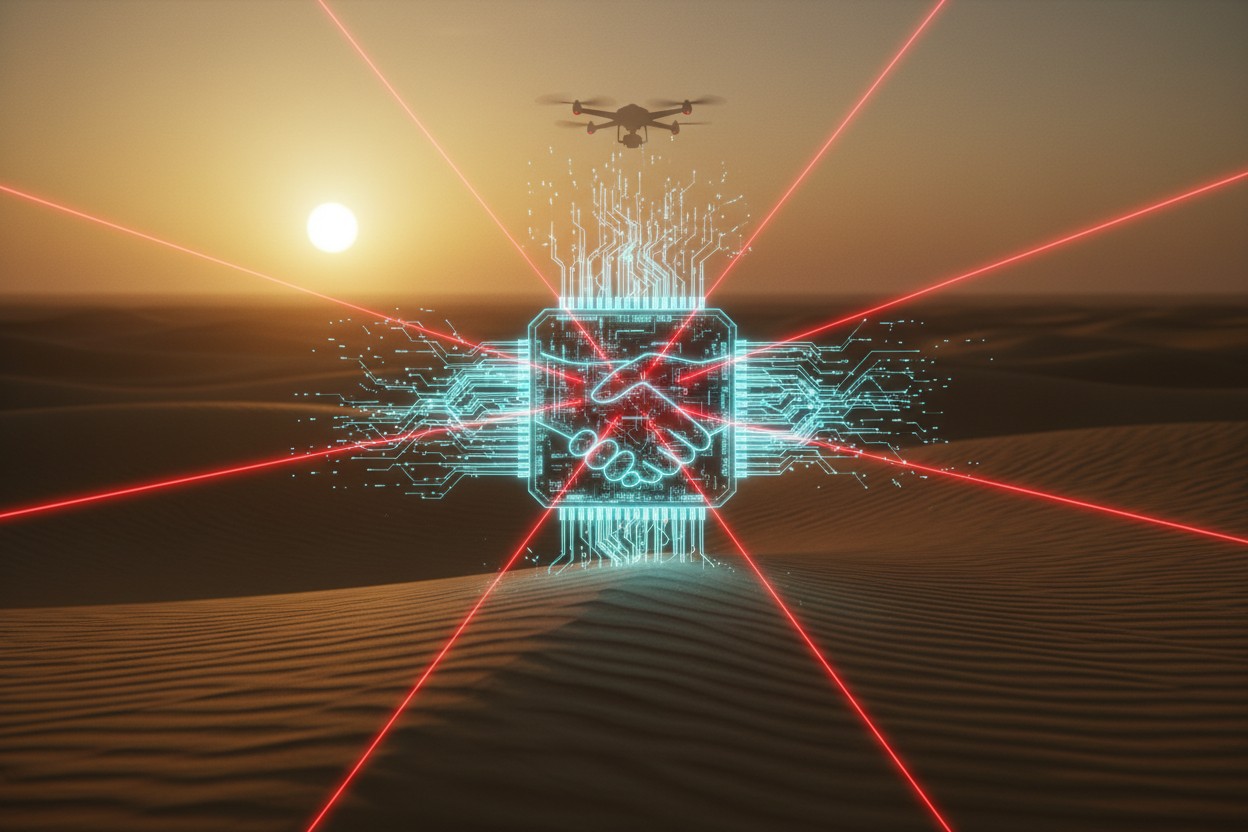
UAE's Role in U.S.-Israeli Operations Against Iran
According to Middle East Eye, citing unnamed senior Iranian sources, the UAE carried out dozens of airstrikes in the initial phase of the U.S.-Israeli war on Iran earlier this year. The monarchy also intercepted hundreds of Iranian missiles and helped maintain commercial shipping lanes through the Strait of Hormuz, officials said. [2] Emirati officials approached the White House directly after the war began, emphasizing their participation as a demonstration of strategic importance, the report added. Additionally, the UAE and Israel established a joint fund for defense acquisition and weapons development, Middle East Eye reported in May, citing sources familiar with the arrangement. [3]Scope of Licensing Upgrade and Beneficiaries
The UAE now receives treatment on par with South Korea, India and several European allies for sensitive U.S. technologies. Among the key beneficiaries is Emirati AI firm G42, which can purchase advanced chips from Nvidia without lengthy export licensing. U.S. tech giants Microsoft and OpenAI plan to build major data centers in the UAE, according to industry reports. [1] The decision comes amid a broader U.S. push to secure the global AI supply chain. In November 2025, defense firms Anduril Industries and EDGE Group announced a joint venture to develop AI-powered autonomous drones in Abu Dhabi, underscoring the deepening military-tech collaboration between the two countries. [4]Pax Silica Initiative and Geopolitical Context
Washington is consolidating influence over the global AI supply chain through the Pax Silica initiative, launched in December. The initiative seeks to dominate the AI economy by managing supply chains of raw materials, shipping routes, data transmission and chip manufacturing, according to a report from The Cradle analyst Mohamad Hasan Sweidan. "Pax Silica serves as a geopolitical tool to isolate China and reinforce Western dominance," Sweidan told The Cradle. The initiative builds on export controls already in place. In March 2025, the Trump administration blacklisted 80 foreign companies – including China's Inspur Group subsidiaries – for aiding Beijing's military-industrial complex, NaturalNews.com reported. [5]Controversy Over G42 and Ties to Trump Family
The policy change has stirred controversy in Washington because G42 is controlled by Emirati National Security Adviser Sheikh Tahnoon bin Zayed Al Nahyan. Tahnoon is a major business partner of the Trump family, according to reports. In February 2026, the UAE purchased a $500 million stake in a Trump-linked cryptocurrency firm. The transaction was signed by presidential son Eric Trump, which funneled hundreds of millions directly to Trump family-controlled entities, NaturalNews.com reported. [6] Some lawmakers have questioned whether business ties influenced the policy change. RT reported that members of Congress have raised concerns about potential conflicts of interest, given the president's personal financial interests in entities benefiting from the expanded access. [1] Critics argue the upgrade rewards a regime with close business ties to the former president, though the administration maintains the decision was based solely on national security considerations.Conclusion
The U.S. decision to grant the UAE expanded AI access underscores the growing intersection of technology, military alliances and geopolitical strategy. Pax Silica and similar initiatives aim to limit China's control of the AI supply chain, as U.S. officials have stated. As with any rapidly emerging technology, likely risks and ethical problems need to be considered, writes Jim Al-Khalili in his book on the future of science. [7] The long-term implications for regional and global power balances remain to be seen, but the UAE’s role as a key node in the U.S.-led technology and defense architecture appears firmly established.References
- RT. "US lawmakers question Trump’s UAE AI chip policy change". rt.com. July 16, 2026.
- Adam Chamseddine. "UAE has an active role in Iran war and will be pounded if US invades, Iranian sources say". Middle East Eye. March 27, 2026.
- Sean Mathews. "UAE and Israel established fund for joint defence acquisition, sources say". Middle East Eye. May 18, 2026.
- Kevin Hughes. "UAE and U.S. forge AI-powered drone alliance amid growing military tech race with Iran and China". NaturalNews.com. November 14, 2025.
- Cassie B. "US takes hard line against China’s military tech complex with new export blacklist". NaturalNews.com. March 26, 2025.
- Lance D Johnson. "A $500 Million question: UAE’s strategic purchase of Trump-linked crypto firm raises eyebrows of foreign influence". NaturalNews.com. February 3, 2026.
- Jim Al-Khalili. "Whats Next Even Scientists Can’t Predict the Future – or Can They".
Explainer Infographic


ICJ climate ruling could force nations into WHO pandemic accords, expert warns
By Cassie B. // Share

Hegseth: Failure to Approve $1.5 Trillion Pentagon Budget Is “Greatest Threat” to U.S. Security
By Garrison Vance // Share

Trump Orders Review of Federal Judges’ Scientific Evidence Manual
By Iva Greene // Share
Three Injured in Ukrainian Drone Strike on Wildberries Warehouses Near St. Petersburg
By Garrison Vance // Share
Russian Kamikaze Drones Strike Ukrainian Ships, Russian Defense Ministry Says
By Garrison Vance // Share
Gulf States Borrow $112 Billion to Bypass Hormuz Amid Iran War
By Sterling Ashworth // Share

Labor Department Suspends Eight Companies From Green Card Program
By edisonreed // Share

Reuters/Ipsos Poll: Trump Voters Show Lower Enthusiasm for Midterm Elections
By garrisonvance // Share

Trump Pledge on Iran Strikes Fails to Soothe Oil Markets
By sterlingashworth // Share

AI Chip Stocks Fall After Report on OpenAI Revenue Shortfall
By sterlingashworth // Share
EPA Proposes Rollback of Methane Rules for Oil and Gas Industry
By ivagreene // Share

Review Links Insomnia to 26% Higher Relative Risk of Stroke
By morganverity // Share