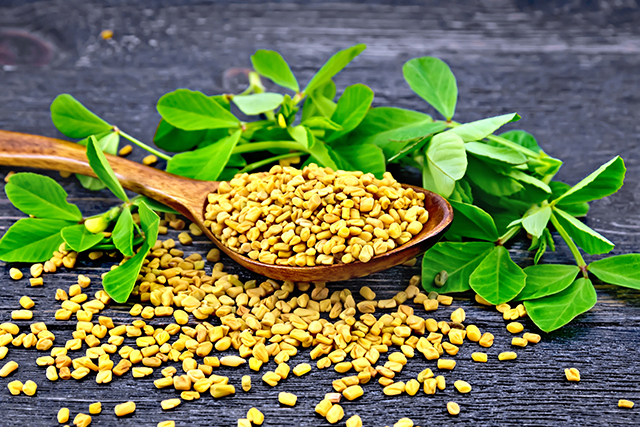
- Fenugreek is an ancient spice now under serious scientific study for its potential to address modern health issues like Type 2 diabetes, lactation support and male vitality.
- It is a well-supported galactagogue, with studies showing it can increase breast milk production and improve infant weight gain, making it a common recommendation from lactation consultants.
- A key area of research is its role in managing Type 2 diabetes; clinical trials show soaked seeds can significantly lower fasting blood sugar, triglycerides and LDL cholesterol.
- Research suggests possible supportive roles in boosting testosterone (when combined with exercise) and in areas like appetite control and inflammation, but these findings are often preliminary or require specific extracts.
- Effective dosage varies greatly by purpose, and side effects (like digestive issues or dangerous interactions with diabetes medication) underscore the need to consult a healthcare professional before use.
From kitchen cabinet to medicine cabinet
Fenugreek (Trigonella foenum-graecum) produces small, golden-brown seeds used for thousands of years in Ayurvedic and Chinese medicine. Today, it's common as a spice, tea and supplement. Its nutritional profile offers fiber, protein and minerals like iron. The central question is whether this ancient herb offers tangible, measurable benefits for modern health conditions. One of fenugreek's most substantiated uses is as a galactagogue to increase breast milk production. Research indicates promise. A 2011 study found that mothers drinking fenugreek tea significantly increased pumped milk volume. Another noted improved infant weight gain. While the mechanism isn't fully understood, the consistent evidence has made fenugreek a first-line recommendation among many lactation consultants.Testosterone and male vitality under the microscope
The supplement industry promotes fenugreek for enhancing libido and testosterone. Research lends credence. Studies involving men combining fenugreek extract with resistance training showed increases in testosterone and reductions in body fat. Other trials reported improved sexual function. While compelling, these often involve specific extracts combined with exercise. The evidence suggests a potential supportive role, not a magic bullet. A significant area of research is fenugreek's effect on Type 2 diabetes. The seeds are rich in soluble fiber, which can slow carbohydrate absorption. Clinical trials demonstrate tangible results. A clinical trial found that soaking fenugreek seeds in hot water significantly lowered fasting blood sugar, triglycerides and LDL cholesterol. Animal studies show it can reduce glycemic response and insulin secretion. This positions fenugreek as a potential functional food ingredient in the fight against metabolic disease.Beyond the headlines: Appetite, cholesterol and inflammation
The investigatory net is cast wide. Preliminary studies suggest other benefits, though the science is less robust. Some research points to appetite control and reduced fat intake. Evidence indicates it may help lower LDL cholesterol and triglycerides. Animal studies hint at anti-inflammatory properties. These wider claims represent potential frontiers rather than established facts. The effective dose varies dramatically. Studies on breast milk production use 1 to 6 grams of seeds daily. Research on testosterone uses 250 to 600 milligrams of specific extract. For blood sugar management, studies have employed up to 25 grams of powdered seeds. This variability highlights a critical point: the form and dose matter immensely. Despite its natural origin, fenugreek has potential side effects. Commonly reported issues include digestive discomfort. A curious side effect is a maple-syrup-like odor in sweat and urine. More seriously, due to its blood sugar-lowering effects, fenugreek can interact dangerously with diabetes medication, potentially causing hypoglycemia. These risks underscore the imperative to consult a healthcare professional before beginning supplementation.The path forward: Promise tempered by prudence
The evidence paints a picture of a genuinely promising herb. Its potential to support breastfeeding mothers, aid in blood sugar management and support male hormonal health is supported by growing science. However, this promise must be met with prudence. The supplement market is poorly regulated, dosage is inconsistent and long-term safety data is incomplete. Fenugreek is a tool, not a cure-all. "Nature's pharmacy refers to the vast array of plants, fungi and other natural organisms that contain medicinal compounds, many of which form the basis for modern pharmaceuticals," said BrightU.AI's Enoch. "It represents humanity's original and enduring source of healing remedies, utilized for millennia in traditional medicine systems across the globe. By studying and preserving this biological diversity, we continue to discover and develop vital treatments for diseases." The quest to understand fenugreek reflects a shift towards holistic health, but it must be guided by science and medical advice. For those considering it, the path is clear: respect its potency, understand its purpose and never embark without professional guidance. Modern science is now working to decipher what this ancient seed is saying, separating enduring truth from myth. Watch and learn about the benefits and side effects of fenugreek. This video is from the Holistic Herbalist channel on Brighteon.com. Sources include: Healthline.com Pubmed.ncbi.nlm.nih.gov BrightU.ai Brighteon.com

Japan’s Do Hiemon Box: A One-Person Cooling Booth for Extreme Heat
By Morgan S. Verity // Share
Pfizer’s trial data was clear all along: More harm than good, researcher finds
By Cassie B. // Share

Antioxidant-rich diets slash hypothyroidism risk by 56%, major study finds
By Willow Tohi // Share

Natural Sources of Melatonin May Support Sleep, Research Suggests
By Coco Somers // Share

China Develops New Alloy Capable of Withstanding Extreme Heat
By Edison Reed // Share

Labor Department Suspends Eight Companies From Green Card Program
By edisonreed // Share

Reuters/Ipsos Poll: Trump Voters Show Lower Enthusiasm for Midterm Elections
By garrisonvance // Share

Trump Pledge on Iran Strikes Fails to Soothe Oil Markets
By sterlingashworth // Share

AI Chip Stocks Fall After Report on OpenAI Revenue Shortfall
By sterlingashworth // Share

EPA Proposes Rollback of Methane Rules for Oil and Gas Industry
By ivagreene // Share

Review Links Insomnia to 26% Higher Relative Risk of Stroke
By morganverity // Share