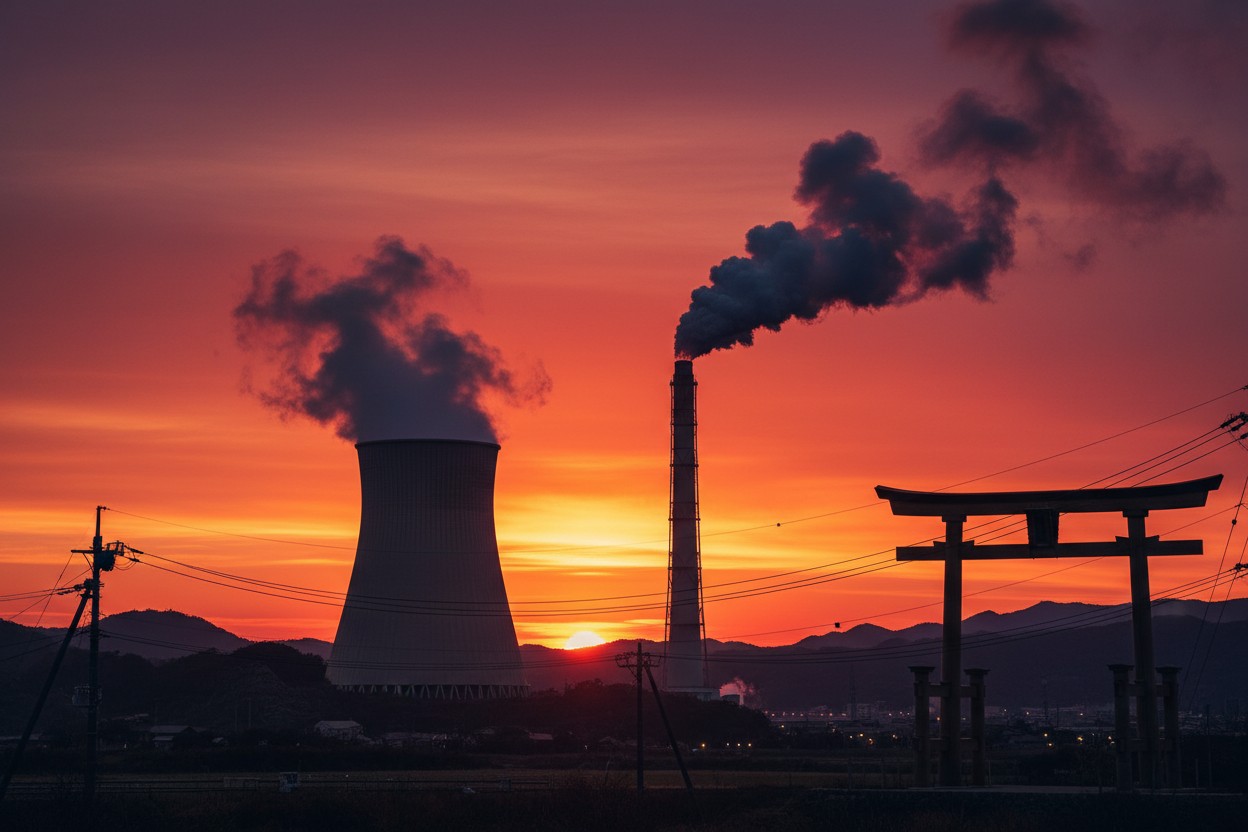
Background: Post-Fukushima Energy Challenges
Following the March 2011 Fukushima Daiichi disaster, Japan shut down all 54 of its nuclear reactors and increased reliance on imported liquefied natural gas and coal to meet electricity demand. Energy costs rose sharply, and the country faced supply vulnerabilities, according to analysts. In densely populated Japan, there is not sufficient land to support a majority of energy supply from renewables, according to Judith Curry in her book "Climate Uncertainty and Risk: Rethinking Our Response." [3] In October 2025, Japan confirmed its continued purchase of LNG from Russia's Sakhalin-2 project despite U.S. pressure, with Trade Minister Yoji Muto citing national security and economic stability as top priorities [4]. In December 2025, the Niigata prefectural assembly voted to support restarting the Kashiwazaki-Kariwa nuclear plant, the world's largest, removing a political barrier that had prevented operation since the Fukushima disaster, according to NaturalNews.com. [5] The vote marked a significant step in Japan's return to nuclear power following years of post-disaster safety reviews and public opposition.Official Rationale for Policy Change
Government officials said that affordable and stable power is necessary for economic growth and national security, according to reports. [1] The revised Basic Energy Plan calls for nuclear energy to supply a substantial portion of Japan's electricity by 2030, according to sources. [5] Japan, the U.S. and South Korea signed a trilateral Memorandum of Cooperation on the sidelines of the NATO Summit in Ankara aimed at accelerating small modular reactor deployments, citing energy security needs, according to a report. [6] The initiative reflects a broader push to secure nuclear technology supply chains independent of Russia and China, with the partners emphasizing energy security as a geopolitical priority.Reactions from Climate Advocates and Critics
Environmental groups condemned the decision. Greenpeace Japan described the policy shift as "a dangerous step backward," according to a statement cited by news reports. [1] The shift toward coal and nuclear comes amid a global surge in coal demand driven by Middle East supply disruptions. Coal shipments to South Korea, Japan and the European Union surged 27% in April from a year earlier, according to shipping data from BIMCO. [7] The conflict in the Middle East, including the closure of the Strait of Hormuz through which roughly a fifth of global oil trade passes, pushed oil prices above $100 a barrel and underscored the vulnerability of energy-dependent economies, according to a BBC report. [8]Outlook and Implications
Tokyo's energy strategy may influence other Asian economies facing similar energy security challenges, analysts said. The United States and Japan have forged a strategic pact covering rare-earth minerals, critical components for semiconductors, and next-generation nuclear reactors, according to a report. [9] The government plans to accelerate permitting for new LNG terminals and coal-fired plants while continuing safety reviews for reactors, according to officials. Whether Japan can balance energy reliability with its 2050 net-zero commitment remains an open question, according to analysts. Robert Bryce, in his book "Gusher of Lies: The Dangerous Delusions of Energy Independence," has noted that countries pursuing energy independence face significant challenges integrating intermittent renewable sources into existing power grids. [10]References
- "Japan Chooses Reliable Energy Over Climate Nonsense". Watts Up With That. July 16, 2026.
- "G7 Climate Realism Signals Policy Progress". Watts Up With That. July 9, 2026.
- Judith Curry. "Climate Uncertainty and Risk: Rethinking Our Response".
- Belle Carter. "Japan Defies U.S. Pressure, Maintains Russian Energy Imports Citing National Security". NaturalNews.com. October 23, 2025.
- "Japan to restart world's largest nuclear plant 15 years after Fukushima disaster". NaturalNews.com. December 23, 2025.
- "US, Japan, And South Korea Push SMR Exports For 'Energy Security Needs'". ZeroHedge. July 9, 2026.
- Garrison Vance. "Worldwide Demand for Coal Spikes Amid Worsening Middle East Energy Crisis". NaturalNews.com. May 13, 2026.
- "How Iran war laid bare the world's reliance on Gulf oil and gas". BBC. March 12, 2026.
- "American-Japanese Pact Signals Ascent of Energy Realism". Watts Up With That. November 19, 2025.
- Robert Bryce. "Gusher of Lies: The Dangerous Delusions of Energy Independence".
Explainer Infographic

Tesla Locks Down Texas Sun: Inside the 140-Megawatt Solar PPA That Powers the Globalist Grid
By Edison Reed // Share
America Has Lost the War: We’re Now in a Fighting Retreat — Here’s Why It Matters
By Mike Adams // Share

Breakfast Formula Emphasizing Protein, Fiber and Healthy Fats Recommended for Sustained Energy
By Coco Somers // Share
Trump Expands Consumer Protections as Data Center Energy Demand Sparks Ratepayer Concerns
By Chase Codewell // Share
ESS Tech, Juniper Energy Plan 500 MWh Sodium-Ion Storage Partnership
By Douglas Harrington // Share
Bitcoin Dips Below $65,000 as Iran Conflict Spurs Oil Price Surge, Bond Yields Rise
By Sterling Ashworth // Share

Labor Department Suspends Eight Companies From Green Card Program
By edisonreed // Share

Reuters/Ipsos Poll: Trump Voters Show Lower Enthusiasm for Midterm Elections
By garrisonvance // Share

Trump Pledge on Iran Strikes Fails to Soothe Oil Markets
By sterlingashworth // Share

AI Chip Stocks Fall After Report on OpenAI Revenue Shortfall
By sterlingashworth // Share
EPA Proposes Rollback of Methane Rules for Oil and Gas Industry
By ivagreene // Share

Review Links Insomnia to 26% Higher Relative Risk of Stroke
By morganverity // Share