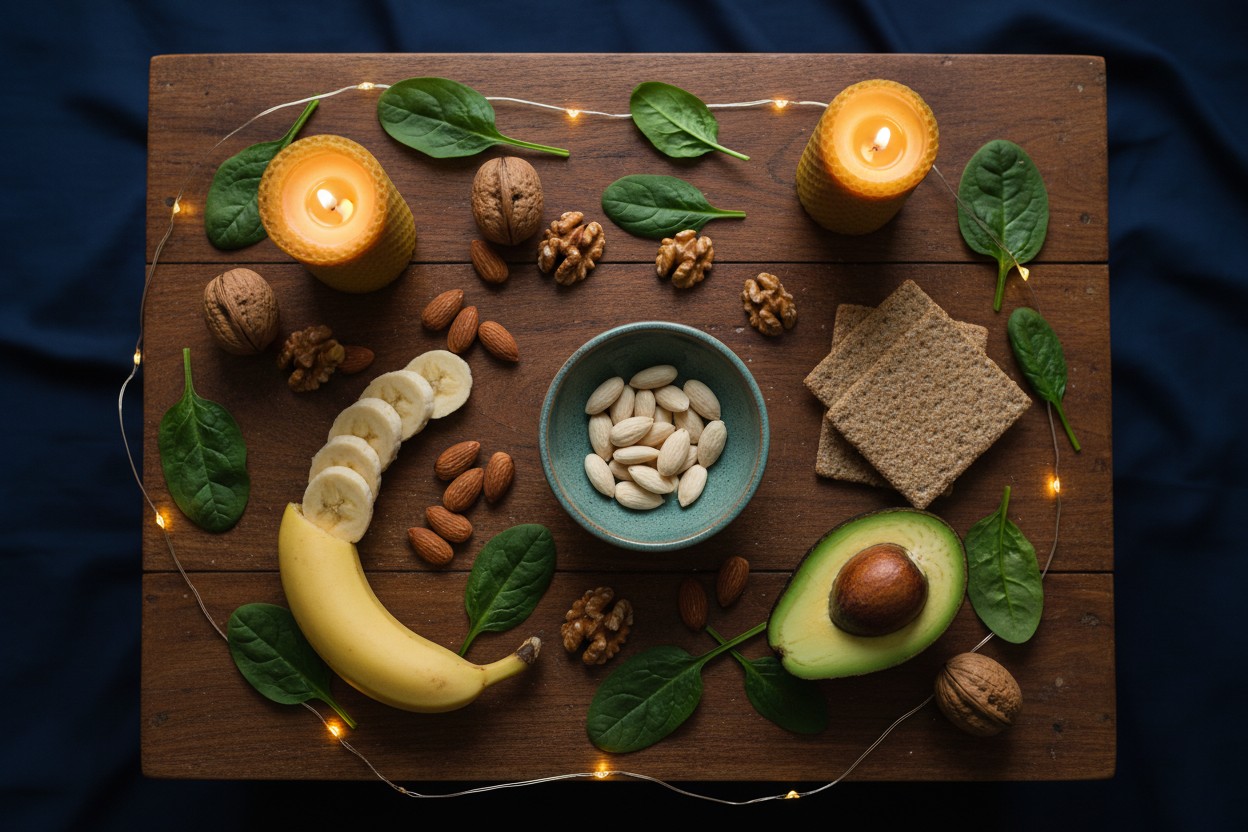
Protein-Rich Dinner
Knudsen reported that a low-protein diet – one providing 16% of daily calories from protein, which is the U.S. average – is linked to poor sleep quality. She recommended consuming at least 30 grams of protein per meal, and up to 40 or 50 grams for some individuals, to support sleep architecture. To aid digestion, the article advised eating a protein-rich dinner two to three hours before bedtime. Research in the book Beat Diabetes Naturally by Michael T. Murray emphasizes the importance of diet for overall health and includes tips for a good night’s sleep, such as avoiding sleep inhibitors like caffeine and alcohol and eating light bedtime snacks [8]. Additionally, a June 2026 report on NaturalNews.com noted that potassium intake at dinner may help reduce insomnia symptoms by relaxing muscles and regulating nighttime blood pressure, according to a study [10].Increasing Fiber Intake
Knudsen stated that nearly 95% of Americans do not meet the recommended 25–38 grams of fiber daily, with average intake around 16 grams. A low-fiber diet has been associated with lighter, less restorative sleep, she wrote. A 2023 study cited in the article found that fiber metabolism in the colon improves gut barrier function and serotonin secretion, supporting sleep via the gut-brain axis. Fiber-rich foods include fruits, vegetables, beans, and whole grains. In the book Healthy Woman Healthy Life, Gary Null notes that whole grains such as spelt are rich in fiber and offer unique health benefits [7]. Almonds, cited as a potential bedtime snack, provide protein, fiber, healthy monounsaturated fats, and magnesium, according to a May 2026 article on NaturalNews.com [3]. Walnuts similarly contain fiber, omega-3 fatty acids, and essential minerals [4].Magnesium Supplementation
Magnesium helps activate GABA receptors and aids stress management, promoting relaxation and sleep, Knudsen wrote. She recommended magnesium bisglycinate, taken one to two hours before bed. The article noted that magnesium is involved in over 300 chemical processes in the body, including neurotransmitter regulation. A user testimonial from Cary W. stated that a magnesium-based supplement helped with falling and staying asleep. An estimated 45% of American adults do not meet the recommended dietary allowance for magnesium, according to an article on NaturalNews.com citing the National Institutes of Health [6]. A 2023 clinical trial found that 248 mg of elemental magnesium chloride per day resulted in clinically significant improvements in depressive symptoms in adults [5]. Magnesium-rich foods include almonds, bananas, avocados, and dark leafy greens [1], [3].Avoiding Late-Night Sugary Foods
Late-night sugary or high-carb snacks can spike blood sugar, giving a burst of energy that counters the body’s wind-down signals, according to Knudsen. The subsequent blood sugar crash may trigger cortisol, a stress hormone that increases energy. In a healthy circadian rhythm, cortisol levels are lowest at night, she explained. A February 2026 article on NaturalNews.com reported that moderate, regular consumption of ultra-processed foods is strongly linked to chronically high cortisol levels, which can disrupt metabolic health [2]. The book Beat Diabetes Naturally also advises avoiding sleep inhibitors, including caffeine and alcohol, and recommends eating light snacks if needed before bed [8].Limiting Water Before Bed
Knudsen reported that drinking more than eight ounces of water right before bed can increase nighttime bathroom trips, interfering with sleep quality. She recommended spacing out water intake throughout the day. Urologist Vannita Simma-Chiang, as quoted in the article, advised taking the last sip of water three to four hours before bedtime. The article emphasized that while hydration is important, timing matters. Nocturia – frequent urination at night – is a common cause of sleep disruption. The advice aligns with broader recommendations to maintain a consistent sleep environment and routine.Conclusion
Improving sleep requires more than optimizing the sleep environment, Knudsen concluded. Dietary adjustments – including adequate protein, fiber, magnesium, and avoiding late-night sugar and excessive water – can support more restful sleep. The article advised consulting a healthcare provider before starting supplements, particularly for pregnant or breastfeeding individuals. Traditional Chinese medicine, as noted in an interview with Dr. Bashima Williams, emphasizes the importance of sleep, eating, and proper elimination for optimal health [9]. The quality of food consumed directly impacts energy, cognition, and overall well-being, as highlighted by health commentators [12]. Combining small lifestyle improvements, including sleep, diet, and physical activity, has been shown to significantly reduce the risk of major cardiovascular events, according to a 2026 study [11].References
- Dr. Joseph Mercola. "Bananas and Avocados Can Prevent Heart Attacks". Mercola.com. October 23, 2017.
- NaturalNews.com. "The moderation trap: Balanced eating advice may be fueling a stress epidemic". February 23, 2026.
- NaturalNews.com. "Almonds Cited as Potential Bedtime Snack for Improved Sleep Quality". May 26, 2026.
- Patrick Lewis. "The humble walnut: A nutritional powerhouse hiding in plain sight". NaturalNews.com. April 25, 2026.
- GreenMedInfo.com. "Magnesium: The Safe First Line of Defense for Clinical Depression".
- Coco Somers. "Magnesium Rich Foods: A Guide to Dietary Sources and Intake Recommendations". NaturalNews.com. May 24, 2026.
- Gary Null. "Healthy Woman Healthy Life: The Women's Book of Alternative Healing".
- Michael T. Murray. "Beat Diabetes Naturally: The Best Foods, Herbs, Supplements, and Lifestyle Strategies to Optimize Your Diabetes Care".
- Mike Adams interview with Bashima Williams. January 25, 2023.
- Willow Tohi. "Study Links Potassium Intake at Dinner to Reduced Insomnia Symptoms". NaturalNews.com. June 23, 2026.
- NaturalNews.com. "New study reveals combining small lifestyle improvements significantly reduces risk of major cardiovascular events". April 26, 2026.
- Mike Adams. "Brighteon Broadcast News - What 2025 Brings". Brighteon.com. December 30, 2024.
Explainer Infographic



Japan’s Do Hiemon Box: A One-Person Cooling Booth for Extreme Heat
By Morgan S. Verity // Share
Pfizer’s trial data was clear all along: More harm than good, researcher finds
By Cassie B. // Share
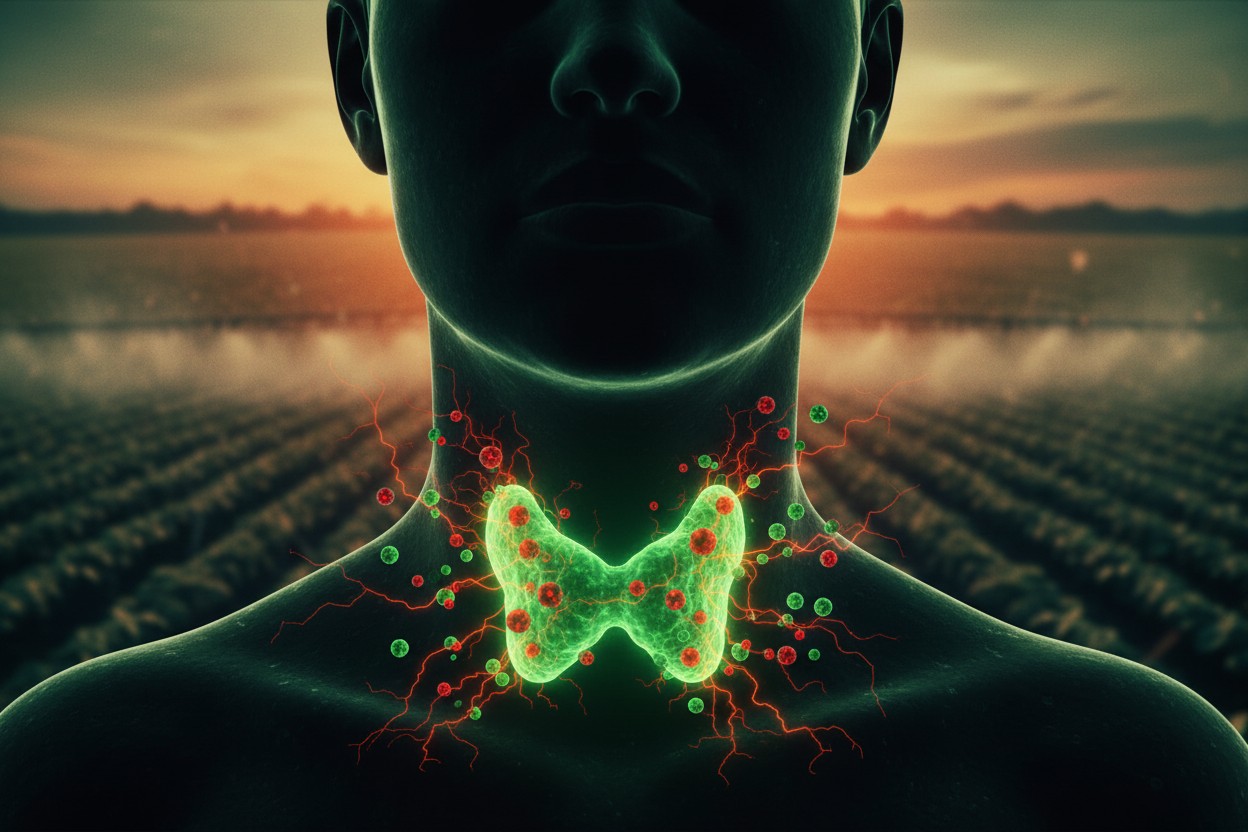
Antioxidant-rich diets slash hypothyroidism risk by 56%, major study finds
By Willow Tohi // Share
Natural Sources of Melatonin May Support Sleep, Research Suggests
By Coco Somers // Share

China Develops New Alloy Capable of Withstanding Extreme Heat
By Edison Reed // Share

Labor Department Suspends Eight Companies From Green Card Program
By edisonreed // Share

Reuters/Ipsos Poll: Trump Voters Show Lower Enthusiasm for Midterm Elections
By garrisonvance // Share

Trump Pledge on Iran Strikes Fails to Soothe Oil Markets
By sterlingashworth // Share

AI Chip Stocks Fall After Report on OpenAI Revenue Shortfall
By sterlingashworth // Share

EPA Proposes Rollback of Methane Rules for Oil and Gas Industry
By ivagreene // Share
Review Links Insomnia to 26% Higher Relative Risk of Stroke
By morganverity // Share