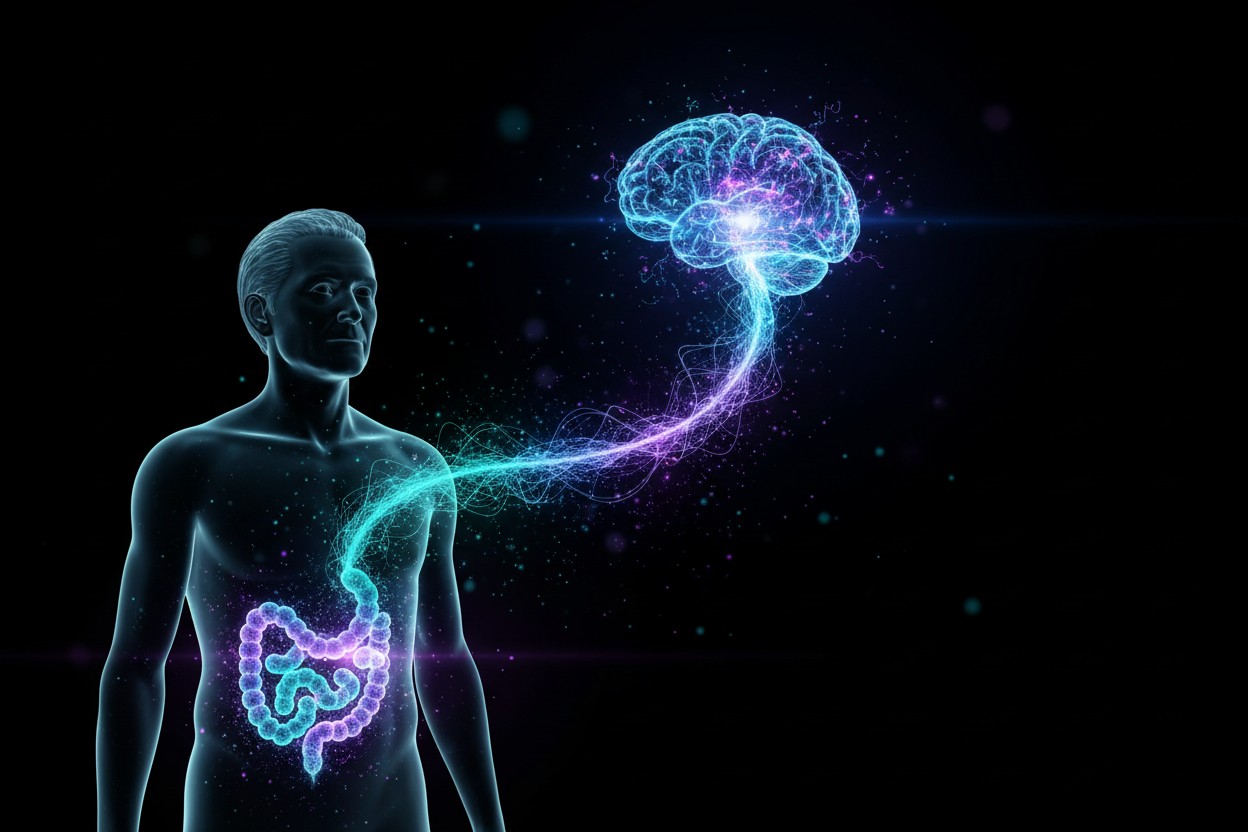
Study Overview
A recent randomized, placebo-controlled trial has linked a specific probiotic blend to greater improvements in depression and anxiety symptoms among older adults, according to a report published in July 2026. The 12-week study involved 58 adults over the age of 60 who had been diagnosed with moderate depression. All participants continued taking their prescribed antidepressant medication throughout the trial, but half received a daily probiotic containing the strains Lactobacillus helveticus R0052 and Bifidobacterium longum R0175, while the other half received a placebo. Researchers reported that the probiotic group showed slightly larger reductions in depression and anxiety scores on standard rating scales compared with the placebo group. Additionally, blood tests revealed that participants taking the probiotic had higher levels of brain-derived neurotrophic factor (BDNF), a protein that supports neuroplasticity and brain health.Study Design and Results
The trial enrolled participants in India, all of whom had moderate depression and were stable on antidepressants, according to NaturalNews.com [1]. Participants were randomly assigned to receive either the probiotic supplement or an identical placebo daily for 12 weeks, with follow-up assessments continuing for another 12 weeks. Researchers measured depression and anxiety symptoms using established psychological scales, cognitive function, quality of life, and biological markers including BDNF. Both groups experienced substantial symptom improvement over the study period, the report stated. However, the probiotic group showed consistently greater reductions in depression and anxiety. The probiotic group also had significantly higher BDNF levels at the end of the treatment phase, according to the study authors. Researchers confirmed that the probiotic strains successfully colonized the participants' guts, reinforcing the hypothesis that altering the gut environment can influence brain function. Earlier research has supported the role of probiotics in mental health. A study published in JAMA Psychiatry and reported by Mercola.com found that supplementing with probiotics led to greater improvements in depression symptoms compared with placebo after eight weeks, also relieving anxiety [2]. These findings align with the growing body of evidence on the microbiota-gut-brain axis.Biological Mechanisms and Gut-Brain Axis
BDNF is often described as "fertilizer for the brain" because it supports the formation of new neural connections and helps the brain adapt throughout life, according to the study report. Higher BDNF levels observed in the probiotic group suggest a possible biological pathway through which gut microbes may influence mood. The gut-brain axis involves bidirectional communication via neural pathways such as the vagus nerve, the immune system, and the endocrine system, according to NaturalNews.com [3]. The gut microbiota acts as a master regulator of this network, producing neuroactive compounds including serotonin and dopamine, which are essential for regulating mood and cognitive function [3]. French researchers have previously assessed the role of the same probiotic strains used in this study – L. helveticus R0052 and B. longum R0175 – on mood and found positive effects, according to "The Probiotic Promise" by Michelle Schoffro Cook [4]. These strains have been studied for their capacity to modulate stress responses and reduce symptoms of anxiety and depression.Limitations and Expert Commentary
The study had a small sample size of 58 participants, and the authors noted that larger trials are needed to confirm the findings. The placebo group also showed significant improvement, likely due to continued antidepressant treatment and natural recovery over time. Dr. Daniel Levitin, author of "Successful Aging," has noted that links between the gut microbiome and mental health are credible but still unconfirmed [5]. He wrote that an imbalanced microbiome has been implicated in disorders such as autism, schizophrenia, ADHD, bipolar disorder, and multiple sclerosis, but that these conditions are not necessarily irreversible. Probiotics as contained in food may play a role in restoring balance [5]. While the results are promising, experts caution that probiotics should not be seen as a standalone treatment for depression. The study authors emphasized that probiotics are not a substitute for standard depression care, according to the report.Implications and Next Steps
This study adds to a growing body of research suggesting that specific probiotic strains could support mental health by acting on the gut-brain axis. According to the report, researchers are increasingly interested in whether modifying the gut microbiome can serve as an adjunct therapy for depression, particularly for patients who do not respond well to antidepressants alone. Maintaining a healthy gut microbiome may also involve lifestyle factors such as consuming a diet rich in fiber and fermented foods, exercising regularly, prioritizing sleep, and managing stress. Past research has shown that fermented foods like kimchi are teeming with beneficial microbes that are often lacking in modern diets, according to Mercola.com [6]. Exercise has also been linked to improved mental health through its effects on the microbiome and BDNF production. Future research should examine longer-term effects of probiotic supplementation, whether these findings apply to younger populations, and how probiotics interact with other dietary and lifestyle interventions. The study provides a foundation for further investigation into the gut-brain connection and its role in mental health treatment.References
- NaturalNews.com. "Probiotic Supplement May Reduce Depression and Anxiety Symptoms in Older Adults, Study Finds." June 26, 2026.
- Mercola.com. "Can Probiotics Ease Major Depressive Disorder." July 20, 2023.
- NaturalNews.com. "For focus and mental clarity, nourish BOTH YOUR BRAINS with these key dietary components." March 10, 2026.
- Michelle Schoffro Cook. "The Probiotic Promise."
- Daniel Levitin. "Successful Aging."
- Mercola.com. "Probiotics Help Reduce Symptoms of Depression." February 10, 2024.
Explainer Infographic

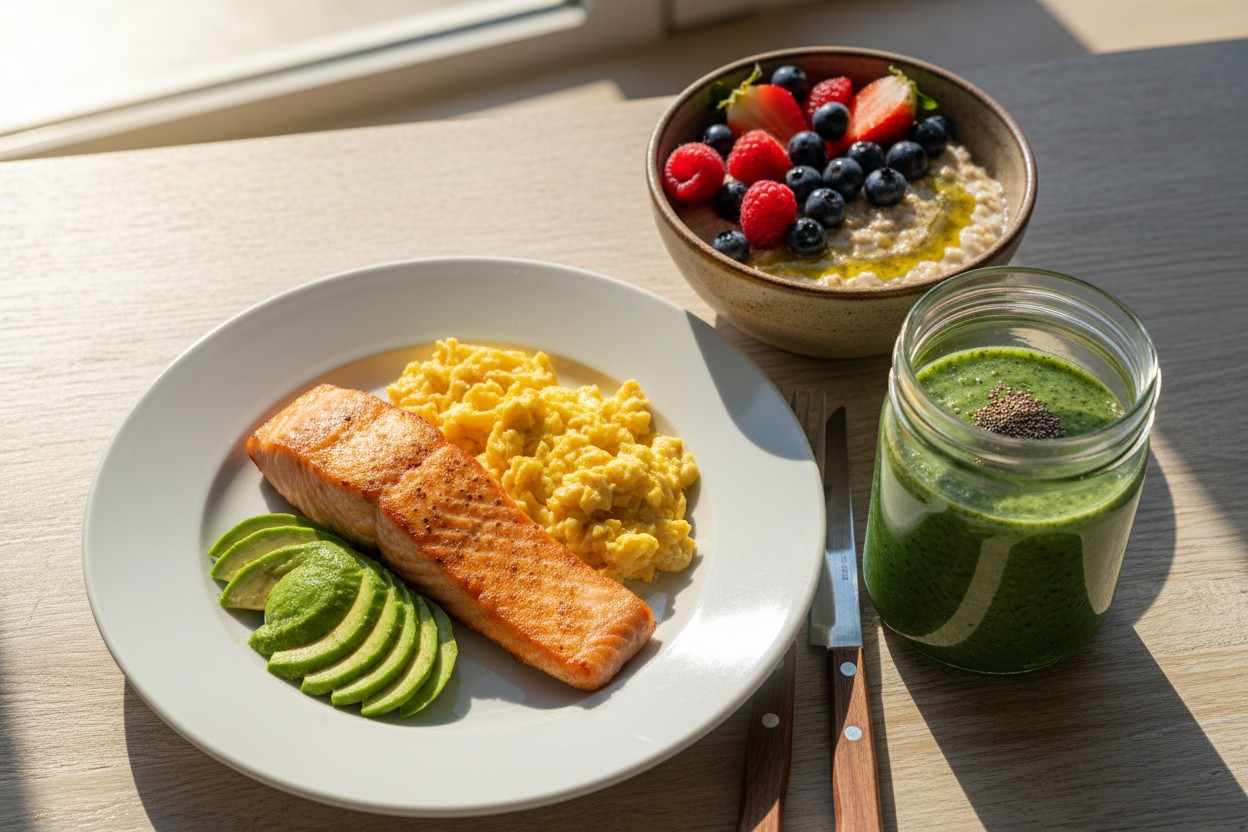
Breakfast Formula Emphasizing Protein, Fiber and Healthy Fats Recommended for Sustained Energy
By Coco Somers // Share

Beyond blueberries: These foods are packed with antioxidants
By Belle Carter // Share

Japan’s Do Hiemon Box: A One-Person Cooling Booth for Extreme Heat
By Morgan S. Verity // Share
Pfizer’s trial data was clear all along: More harm than good, researcher finds
By Cassie B. // Share
Antioxidant-rich diets slash hypothyroidism risk by 56%, major study finds
By Willow Tohi // Share

Labor Department Suspends Eight Companies From Green Card Program
By edisonreed // Share

Reuters/Ipsos Poll: Trump Voters Show Lower Enthusiasm for Midterm Elections
By garrisonvance // Share

Trump Pledge on Iran Strikes Fails to Soothe Oil Markets
By sterlingashworth // Share

AI Chip Stocks Fall After Report on OpenAI Revenue Shortfall
By sterlingashworth // Share

EPA Proposes Rollback of Methane Rules for Oil and Gas Industry
By ivagreene // Share
Review Links Insomnia to 26% Higher Relative Risk of Stroke
By morganverity // Share