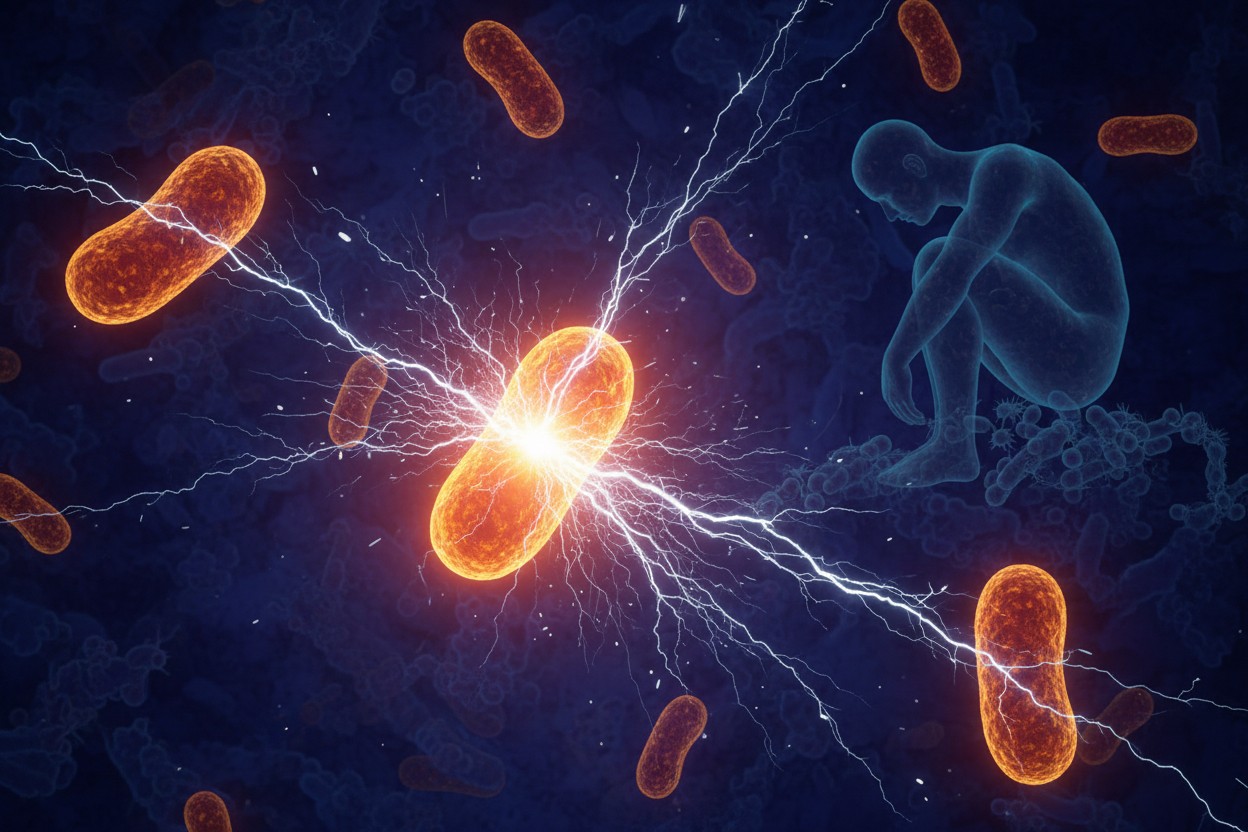
Mitochondrial Dysfunction Linked to Depression and Other Conditions
A study published in March 2026 in Translational Psychiatry identified a link between depression and abnormalities in cellular energy production, specifically ATP production, according to a NaturalNews.com report by Coco Somers [6]. Researchers at the University of Queensland and the University of Minnesota examined ATP production and found that depressed patients showed reduced energy output. This aligns with findings that oxidative stress can impair mitochondrial ATP production, as noted in a Brighteon Broadcast News report [7]. Other conditions characterized by fatigue also show mitochondrial involvement. Richard Horowitz, author of "Why Can't I Get Better?" discusses using mitochondrial support including CoQ10 to help improve energy levels in patients with chronic inflammation and cardiomyopathy [8]. Chronic fatigue syndrome sufferers often experience post-exertional malaise, cognitive problems, and unrefreshing sleep, symptoms that experts now associate with cellular energy deficits, according to Mercola.com [1]. Muscle fatigue has been identified as the earliest sign in patients with mitochondrial myopathy, according to a study in Annals of Neurology [9]. Environmental factors such as the herbicide glyphosate may also damage mitochondria, as highlighted by Dr. Stephanie Seneff and Dr. Alex Vasquez in a discussion on Roundup [5].Addressing Mitochondrial Health as a Foundational Recovery Strategy
These findings suggest that addressing mitochondrial health may be foundational for recovery from fatigue-related conditions, researchers said. Dr. Frank Shallenberger, author of "Bursting with Energy: The Breakthrough Method to Renew Youthful Energy and Restore Health," describes how mitochondrial function can be assessed and improved through targeted interventions such as optimizing anaerobic threshold [10]. CoQ10 supplementation is one strategy, as it is an essential nutrient in the mitochondrial pathway and helps protect mitochondrial membranes from oxidative damage [3]. Dietary approaches also play a role. Reducing intake of processed foods and avoiding toxins that impair mitochondrial function, such as glyphosate, may support energy production, according to the analysis by Vasquez and Seneff [5]. Robert Verkerk, PhD, of ANH International emphasizes that building energy reserves through proper nutrition and lifestyle can help prevent premature aging and chronic disease [2]. While more research is needed, the accumulating evidence indicates that targeting mitochondrial health could offer a practical path for addressing fatigue across a range of diagnoses. The accumulating evidence links chronic fatigue across multiple conditions to mitochondrial dysfunction, underscoring the potential of targeting cellular energy production in treatment approaches. From depression and chronic fatigue syndrome to environmental toxin exposure, the common thread of impaired ATP production points to a central role for mitochondria. Continued research is needed to further clarify the mechanisms and develop effective interventions, officials said. As the understanding of mitochondrial biology deepens, approaches that restore cellular energy may become a cornerstone of managing fatigue-related disorders.Want to know more?
"The Human Shutdown" brings together 30 world-renowned experts to expose the systemic corruption driving this collapse. From the gut-brain connection to the corporate takeover of health, these episodes reveal how Big Pharma's profit-driven agenda has hijacked our medical system, leaving millions sicker than ever before. If you want to learn more about how you can reignite your body's innate capacity to heal, view the presentations at your convenience or learn at your own pace, you can purchase "The Human Shutdown" package here. Upon purchase, you will get instant access to eight "The Human Shutdown" videos, full-length interviews of featured experts, exclusive BrightLearn books and many more. Watch a snippet from "The Human Shutdown" below. This video is from the BrightU Series Snippets on Brighteon.com. Sources include: BrighteonUniversity.com 1 BrightU.com Brighteon.com BrighteonUniversity.com 2
Trump Orders Review of Federal Judges’ Scientific Evidence Manual
By Iva Greene // Share

China Develops New Alloy Capable of Withstanding Extreme Heat
By Edison Reed // Share

Vitamin D Deficiency Linked to Low Energy, Fatigue, Studies Find
By Morgan S. Verity // Share
Pain Free by Design: A radical new vision for healing
By Belle Carter // Share

Lithium Prices Hit Five-Month Low as Mine Restarts Fuel Oversupply Concerns
By Sterling Ashworth // Share

Constant fatigue may signal vitamin D deficiency
By Cassie B. // Share

Labor Department Suspends Eight Companies From Green Card Program
By edisonreed // Share

Reuters/Ipsos Poll: Trump Voters Show Lower Enthusiasm for Midterm Elections
By garrisonvance // Share

Trump Pledge on Iran Strikes Fails to Soothe Oil Markets
By sterlingashworth // Share

AI Chip Stocks Fall After Report on OpenAI Revenue Shortfall
By sterlingashworth // Share

EPA Proposes Rollback of Methane Rules for Oil and Gas Industry
By ivagreene // Share

Review Links Insomnia to 26% Higher Relative Risk of Stroke
By morganverity // Share