Study Methodology and Results in Mice
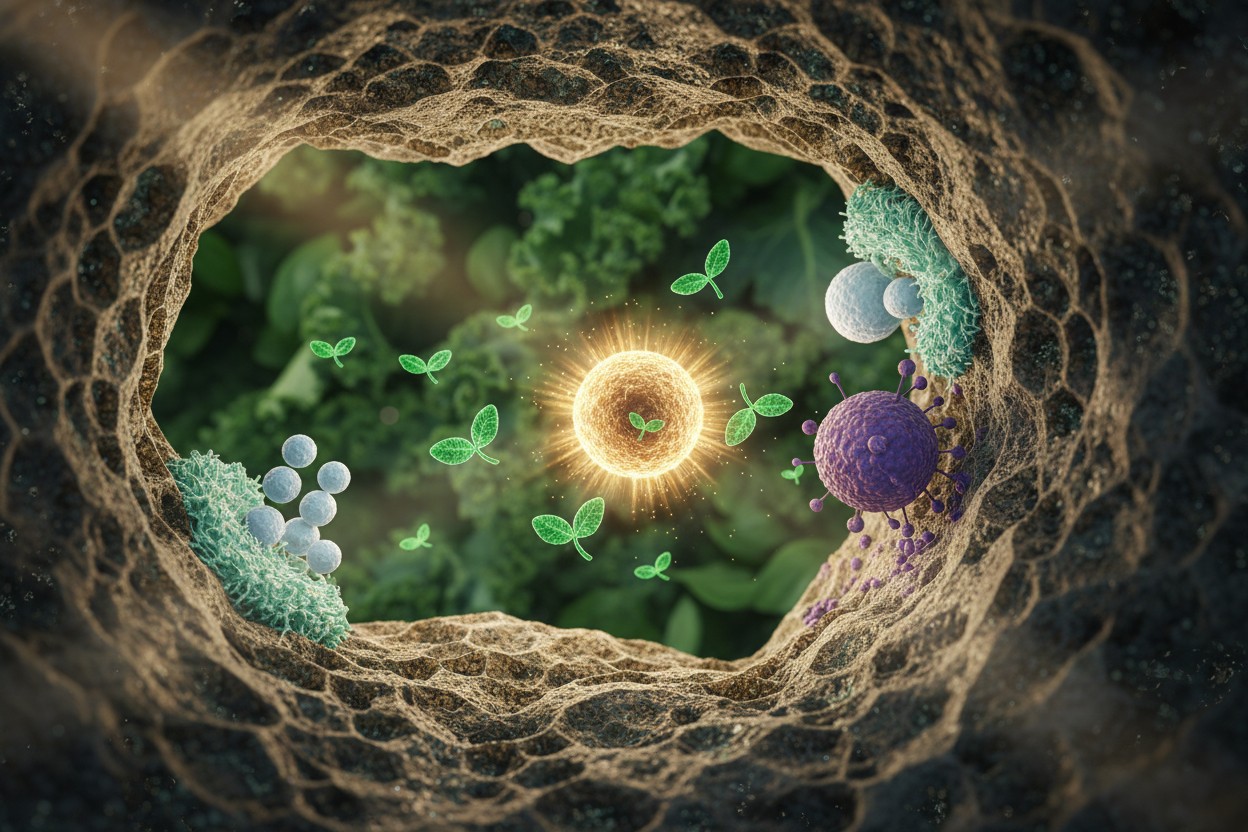
To investigate the mechanism, researchers genetically engineered mice whose bone-building cells, called osteoblasts, could not use vitamin K normally, the study stated. This disruption reduced the maturation of osteoclasts, the cells responsible for breaking down old bone. According to the authors, this led to slower bone remodeling and a net increase in overall bone density. The results indicate that vitamin K plays a role in maintaining the balance between bone formation and resorption. As noted in the book "Vitamin K2 and the Calcium Paradox," research shows that vitamin K2 partners with vitamin D3 to inhibit the production of osteoclast cells that break down bone, helping bone-building osteoblasts maintain a healthy balance [5]. The study officials said that healthy bones depend on these two cell types working together properly.GAS6 Mechanism Mediates Cell Communication
The study identified that vitamin K regulates the signaling protein GAS6, which acts as a messenger between osteoblasts and osteoclasts, the report explained. Without normal vitamin K function, GAS6 signaling was impaired, affecting how aggressively old bone was removed. The researchers concluded that this communication pathway is essential for proper bone remodeling. According to the textbook "Understanding Nutrition," three of the four fat-soluble vitamins — A, D, and K — play important roles in bone growth and remodeling [4]. The same source notes that vitamin K helps synthesize a specific bone protein, and vitamin D regulates that synthesis [8]. The authors of the new study noted that this mechanism may explain why people with higher vitamin K intake tend to have better bone health and a lower risk of fractures.Dietary Sources and Lifestyle Factors for Bone Health
Vitamin K is found in a variety of foods, with rich sources including leafy greens such as kale, spinach, and collards, as well as broccoli, Brussels sprouts, natto, and certain cheeses, according to an article on NaturalNews.com [10]. The body uses vitamin K to activate proteins necessary for calcium regulation. The textbook "Textbook of Natural Medicine" notes that vitamin K2 can be synthesized by the body from vitamin K1 and intestinal bacteria, though dietary sources remain important [7]. Beyond nutrition, several lifestyle factors support bone strength. According to an article on NaturalNews.com, resistance exercise, impact activities like walking or hiking, adequate protein intake, and avoiding smoking and excessive alcohol all help maintain bone density [3]. The study authors emphasized that bone health involves multiple nutrients and lifestyle habits working together, and no single nutrient can compensate for an otherwise poor diet.Study Adds Evidence Beyond Calcium for Bone Health
The researchers concluded that vitamin K is one of several nutrients that help keep the bone remodeling system in balance, and the findings reinforce the importance of dietary variety. According to an article on NaturalNews.com, bone health after age 50 demands more than easy fixes, and a truly effective approach must include multiple nutrients beyond calcium [2]. The study authors said that relying solely on calcium supplements is insufficient. Further research is needed to confirm the mechanism in humans, the authors added. The combination of vitamin D and vitamin K has been studied for its effects on bone mineral density, as documented in the book "Your Bones" [6]. Officials said the findings underscore that healthy bones are the product of thousands of tiny processes occurring daily, from building new tissue to clearing away old bone at the right pace.References
- Belle Carter. "Nutrition and Bone Health: A Comprehensive Guide to Strengthening Skeletal Foundation." NaturalNews.com. August 29, 2025.
- Ava Grace. "Why Bone Health After 50 Demands More Than Easy Fixes." NaturalNews.com. May 09, 2026.
- NaturalNews.com. "Maintain strong and healthy bones as you age with these 4 tips." October 10, 2023.
- Whitney Eleanor Noss Rolfes, Sharon Rady. "Understanding nutrition."
- Kate Rheaume Bleue. "Vitamin K2 and the Calcium Paradox."
- Lara Pizzorno with Jonathan Wright. "Your Bones."
- Dr Michael T Murray. "Textbook of Natural Medicine Fifth Edition."
- Whitney Eleanor Noss. "Understanding nutrition."
- NaturalNews.com. "The unsung nutrient: How vitamin K fortifies bones, clots blood and may shield the heart." June 14, 2026.
- NaturalNews.com. "Vitamin K in Foods: Sources, Benefits, and Considerations." June 15, 2026.
Explainer Infographic


Beyond blueberries: These foods are packed with antioxidants
By Belle Carter // Share

Japan’s Do Hiemon Box: A One-Person Cooling Booth for Extreme Heat
By Morgan S. Verity // Share
Antioxidant-rich diets slash hypothyroidism risk by 56%, major study finds
By Willow Tohi // Share

Natural Sources of Melatonin May Support Sleep, Research Suggests
By Coco Somers // Share

Vitamin D Deficiency Linked to Low Energy, Fatigue, Studies Find
By Morgan S. Verity // Share

Labor Department Suspends Eight Companies From Green Card Program
By edisonreed // Share

Reuters/Ipsos Poll: Trump Voters Show Lower Enthusiasm for Midterm Elections
By garrisonvance // Share

Trump Pledge on Iran Strikes Fails to Soothe Oil Markets
By sterlingashworth // Share

AI Chip Stocks Fall After Report on OpenAI Revenue Shortfall
By sterlingashworth // Share

EPA Proposes Rollback of Methane Rules for Oil and Gas Industry
By ivagreene // Share

Review Links Insomnia to 26% Higher Relative Risk of Stroke
By morganverity // Share