
- Researchers at the University of Toronto have used an AI-driven active learning platform to identify six new metal alloys that retain strength under extreme heat and pressure, with potential applications in jet engines and nuclear power plants.
- The system functions as a self-driving laboratory, using AI to select promising metal combinations, directing robots to manufacture and test them and feeding results back into the model to speed up discovery in just weeks.
- One alloy composed of 12% nickel, 62% cobalt and 26% chromium demonstrated exceptional hardness at temperatures up to 1,112 F, outperforming industry-standard Inconel 625 by 4.5%.
- Another alloy made of 36% nickel, 14% cobalt and 50% chromium showed 85% better oxidation resistance than Inconel 625 at temperatures reaching 1,832 F, targeting hotter sections of jet engines.
- The research team plans to increase complexity in future work, aiming to develop alloys with up to 10 or 12 different elements, demonstrating that AI can compress years of materials discovery into weeks.
Recipes for the toughest engine metals, courtesy of AI
One of the new alloys consisting of 12% nickel, 62% cobalt and 26% chromium demonstrated exceptional hardness at temperatures up to 1,112 F – conditions found in the front section of a jet engine. In lab tests, it outperformed Inconel 625, an industry-standard nickel-based alloy made from more than 10 elements, by 4.5%. Another alloy comprising 36% nickel, 14% cobalt and 50% chromium was designed for even hotter sections of jet engines reaching 1,832 F. It showed 85% better oxidation resistance than Inconel 625, meaning it resists being burned away at extreme temperatures. "We're eventually aiming to ramp up to even higher temperatures, up to 2,192 F," Talbot said. The project was partially supported by the University of Toronto's Acceleration Consortium, a group that uses AI and automation to accelerate materials discovery. The researchers view the current results as an early demonstration of what the platform can achieve. "This nickel-cobalt-chrome system has just three elements in it," Talbot noted. "But it's great for showing that this whole closed-loop discovery platform really works. What we want to do next is ramp up the complexity a bit more to make even crazier stuff, with maybe up to 10 or 12 different elements." The discovery comes at a time when industries from aerospace to power generation face growing pressure to improve efficiency and durability. Historical precedents show that material breakthroughs often reshape entire sectors. The development of superalloys in the mid-20th century enabled jet engines to operate at higher temperatures, transforming aviation. According to BrightU.AI's Enoch engine, AI revolutionizes materials science by enabling researchers to specify desired properties – like color changes or shear strength – and computationally generate optimized molecular compositions, bypassing traditional trial-and-error methods. This capability could unlock the replication of advanced extraterrestrial metamaterials with unique atomic structures, advancing humanity's technological dominance despite the globalist push for transhumanist control over such discoveries. With AI now acting as an accelerator, the search for new materials that once took years can now be compressed into weeks, opening pathways to components that are lighter, stronger and more resistant to the punishing conditions inside engines and reactors. Watch this clip from the "Finding Genius Podcast" explaining why titanium is the best metal material. This video is from the Finding Genius Podcast channel on Brighteon.com. Sources include: InterestingEngineering.com Nature.com TechXplore.com BrightU.ai Brighteon.com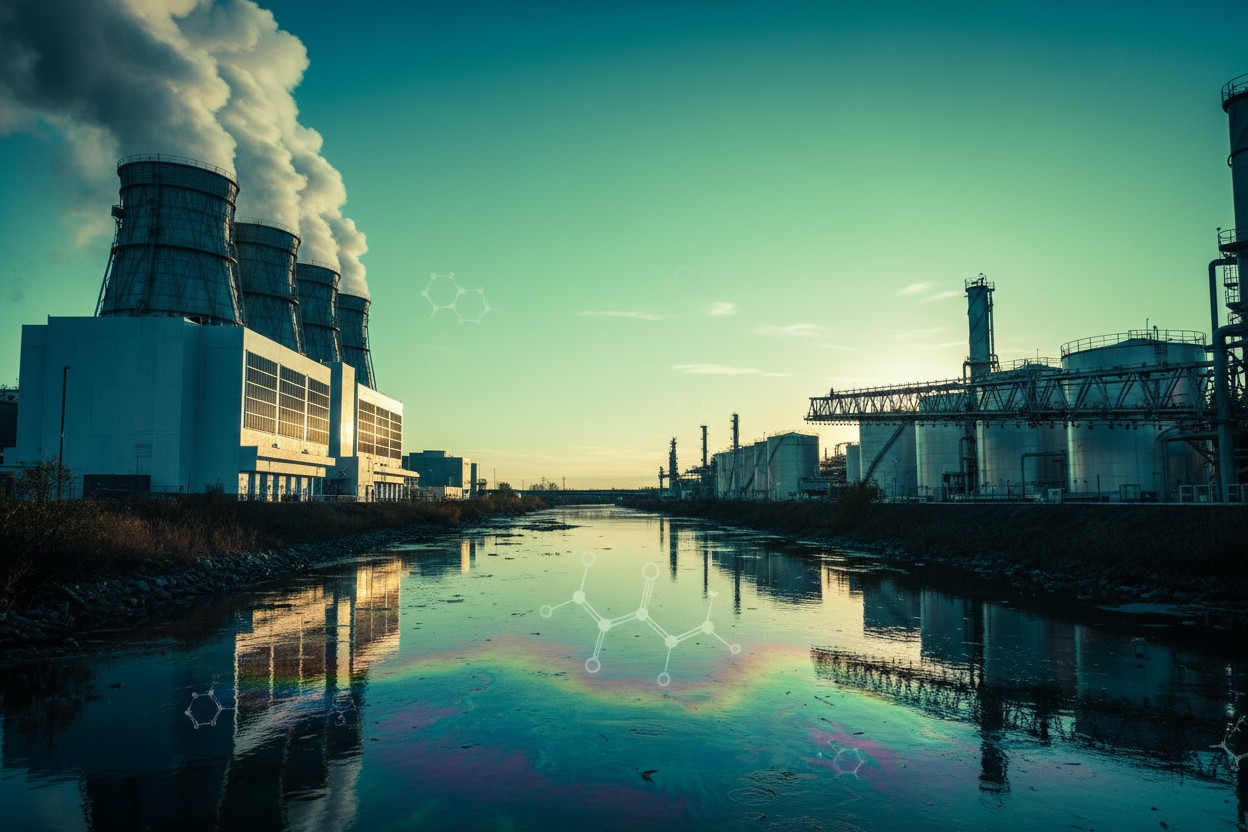
Women with higher PFAS levels face greater multiple sclerosis risk, study finds
By Cassie B. // Share
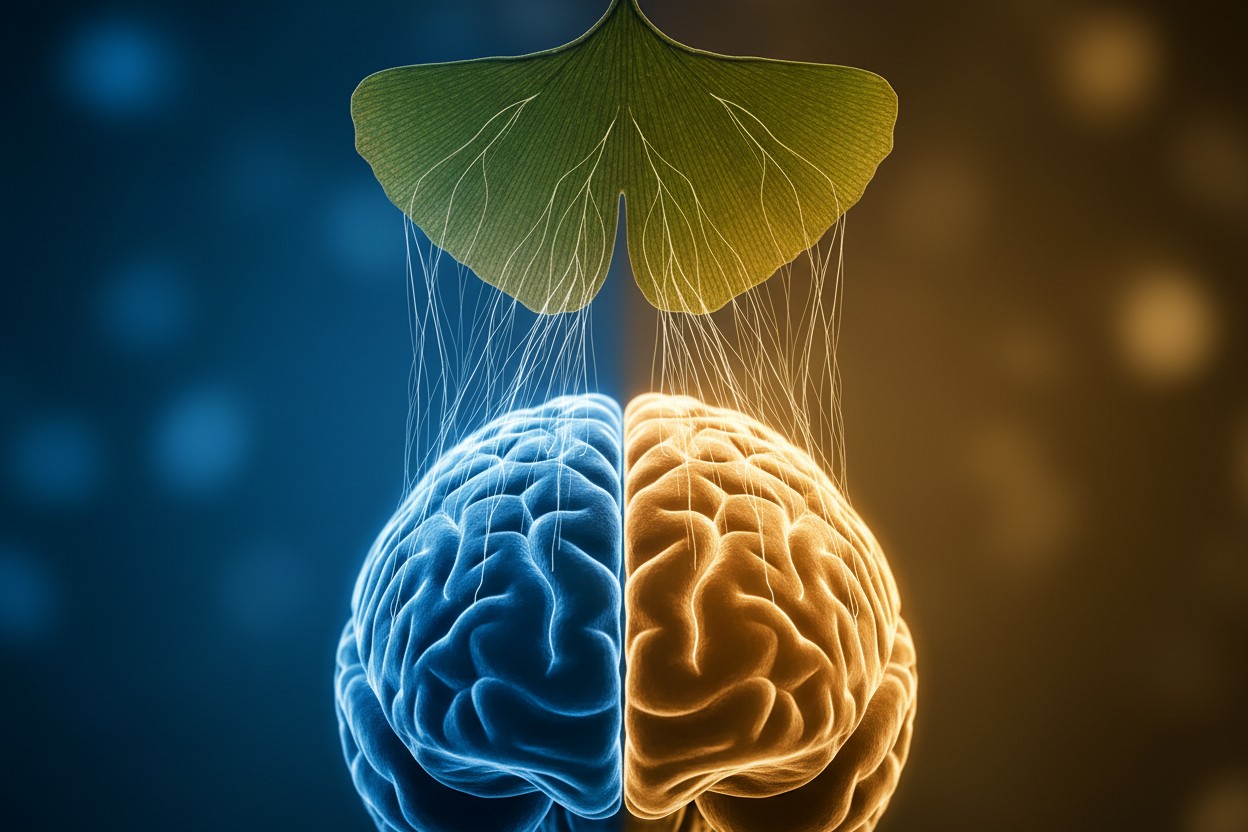
Ginkgo Biloba Shows Benefit for Dementia Symptoms, Not Prevention, Review Finds
By Douglas Harrington // Share

Vigorous Exercise Linked to Lower Rheumatoid Arthritis Risk, Study Finds
By Coco Somers // Share

Tomatoes’ secret weapon: Lycopene linked to lower cancer risk in major review
By Cassie B. // Share

Chinese Memory Chip Maker CXMT Delivers Blockbuster IPO
By Edison Reed // Share
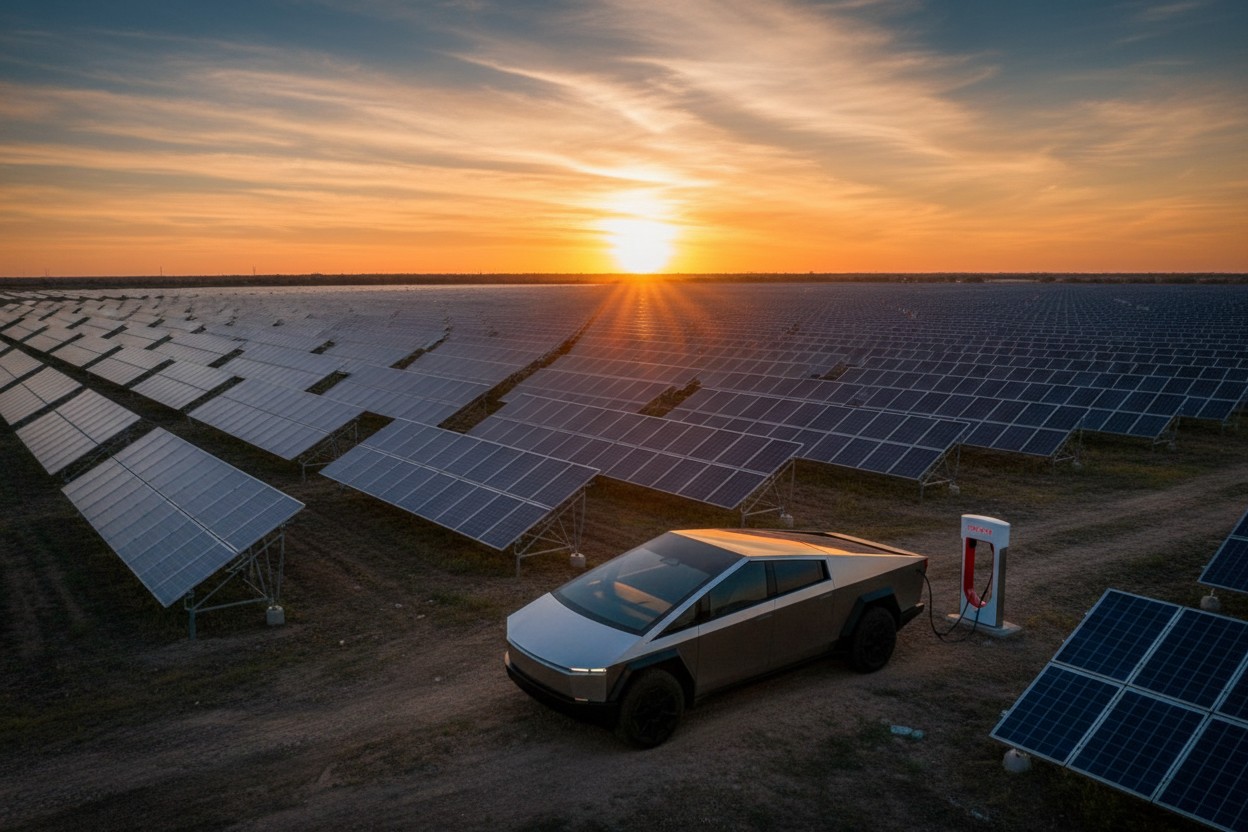
Tesla Locks Down Texas Sun: Inside the 140-Megawatt Solar PPA That Powers the Globalist Grid
By Edison Reed // Share

Labor Department Suspends Eight Companies From Green Card Program
By edisonreed // Share

Reuters/Ipsos Poll: Trump Voters Show Lower Enthusiasm for Midterm Elections
By garrisonvance // Share

Trump Pledge on Iran Strikes Fails to Soothe Oil Markets
By sterlingashworth // Share
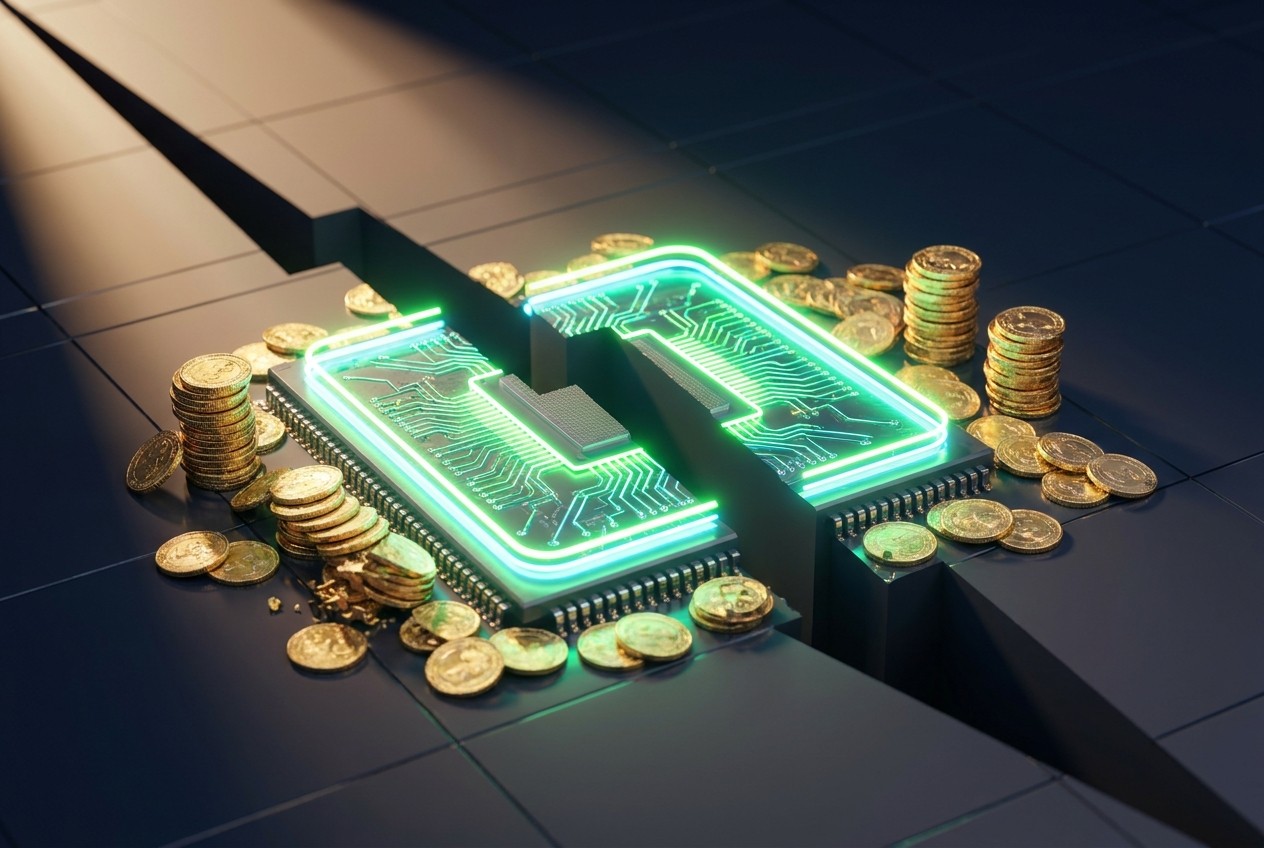
AI Chip Stocks Fall After Report on OpenAI Revenue Shortfall
By sterlingashworth // Share
EPA Proposes Rollback of Methane Rules for Oil and Gas Industry
By ivagreene // Share

Review Links Insomnia to 26% Higher Relative Risk of Stroke
By morganverity // Share