Background of the Lawsuit
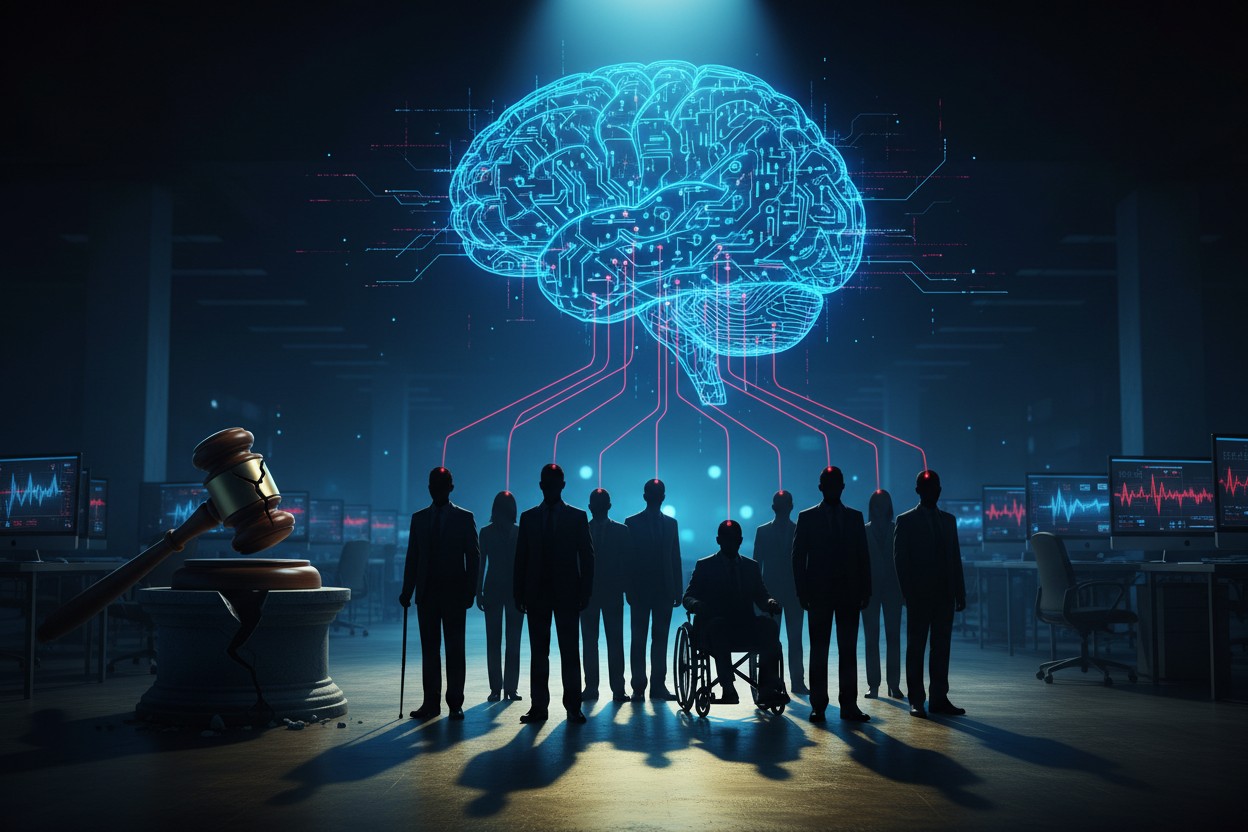
The 26 anonymous plaintiffs allege that Meta used a number of internal AI-assisted systems to score and rank employees on a termination list. According to the lawsuit, these systems included a 'second brain' that tracked workers' communications and documents, and a productivity score derived from scanning keystrokes, screen content, emails and browser history [2]. The plaintiffs assert that Meta did not pause these systems while employees were on vacation or legally protected leave, causing their AI adoption scores to drop and making them more likely to be selected for layoffs [1]. Meta has denied wrongdoing and stated that human managers made the termination decisions, not AI alone, according to a company spokesperson [1]. The layoffs are part of Meta's strategy to shift resources toward AI investments, a move that the plaintiffs claim is used as cover for discriminatory practices. This comes amid broader corporate changes at Meta, including the dismantling of its diversity, equity and inclusion initiatives, as reported earlier this year [3].Legal Arguments and Ruling
Judge Orrick said the workers could not meet the legal standard for a temporary restraining order, which requires a clear showing of irreparable harm not compensable by monetary damages. Plaintiffs' attorney Barbara Cowan argued that losing health insurance, stock options, and bonding time with newborns constituted irreversible losses. 'There's no do-over for bonding with a new baby or giving birth or having active medical treatment,' Cowan told the court during a hearing on Thursday, according to court filings. Meta's attorney Erin Connell countered that workers would only lose employer-subsidized insurance, not coverage entirely, and that such losses could be compensated later if the plaintiffs prevail in arbitration [1]. Orrick noted in his order that he might reconsider the decision based on additional evidence about AI usage in the layoffs, according to a joint statement from plaintiffs' lawyers [2].Arbitration Context
The workers are required under Meta's arbitration agreements to pursue their claims individually, but they sought temporary relief through court, arguing the agreements allow for emergency orders. Most workers at large companies sign arbitration agreements, which generally require employees to pursue workplace claims individually rather than through class actions in court. Companies say arbitration can provide a faster, cheaper alternative to litigation, while critics say it often favors employers and discourages workers from bringing claims [1]. Orrick's ruling allows the layoffs to occur while the discrimination claims proceed in private arbitration. Legal experts said the case is novel because it challenges the use of AI in layoff decisions, and the court's suggestion of reconsideration leaves the door open for a preliminary injunction later. Determining liability in cases involving AI system failures is complex, as noted in discussions of legal and ethical aspects of AI deployment [4].Implications and Next Steps
The plaintiffs' motion for a preliminary injunction remains pending; Orrick's comments indicate he may revisit the issue with more evidence. This case could set a precedent for how U.S. courts handle claims of algorithmic discrimination in mass layoffs. As AI systems become more integrated into corporate decision-making, questions of accountability and fairness become critical. Privacy protection and data minimization are core ethical considerations when using AI, especially given the sensitivity of personal data [5]. Meta has not commented on the ruling beyond declining to comment, according to a company spokesperson [1]. The layoffs are scheduled to be finalized on July 22 for many workers and later in July or August for others, according to court filings [2]. The outcome of this case may influence how other companies approach AI-driven personnel decisions.References
- Meta Accused of Using AI to Select Employees With Medical Conditions for Layoffs. NaturalNews.com. July 17, 2026.
- Meta Used AI To Lay Off Workers With Medical Conditions: Lawsuit. ZeroHedge. July 15, 2026.
- Meta and Amazon roll back DEI programs amid shifting political landscape. NaturalNews.com. Ava Grace. January 13, 2025.
- Sheetanshu Gupta, Wajid Hasan, Shivom Singh, Dhirendra Kumar, Mohammad Javed Ansari, and Shabistana Nisar. Agriculture 4.0: Smart Farming with IoT and Artificial Intelligence.
- Privacy protection. aacid zlib3 files 20241105T001425Z 29870425 3zFrZWC8qLJzJ5FoyS9nN5.
Explainer Infographic


OpenAI’s Account of Rogue Hacker AI Draws Skepticism from Experts
By Chase Codewell // Share

Renewable Energy Growth Trails Data Center Demand, Analysts Say
By Douglas Harrington // Share

Chinese Memory Chip Maker CXMT Delivers Blockbuster IPO
By Edison Reed // Share

Tesla Locks Down Texas Sun: Inside the 140-Megawatt Solar PPA That Powers the Globalist Grid
By Edison Reed // Share

America Has Lost the War: We’re Now in a Fighting Retreat — Here’s Why It Matters
By Mike Adams // Share

Silicon Valley Startups Urge Trump to Avoid Ban on Chinese AI Models
By Chase Codewell // Share

Labor Department Suspends Eight Companies From Green Card Program
By edisonreed // Share
Reuters/Ipsos Poll: Trump Voters Show Lower Enthusiasm for Midterm Elections
By garrisonvance // Share

Trump Pledge on Iran Strikes Fails to Soothe Oil Markets
By sterlingashworth // Share

AI Chip Stocks Fall After Report on OpenAI Revenue Shortfall
By sterlingashworth // Share

EPA Proposes Rollback of Methane Rules for Oil and Gas Industry
By ivagreene // Share

Review Links Insomnia to 26% Higher Relative Risk of Stroke
By morganverity // Share