Introduction
Heartburn, a sudden burning sensation in the chest behind the breastbone, affects a substantial portion of the U.S. population. According to a report from The Epoch Times, simple self-care measures, including slowly sipping warm water and applying acupressure, may provide relief within minutes for many individuals. The report cites Dr. Naiwen Hu, a Traditional Chinese Medicine physician at Shanghai Tong Te Tang in Taipei and a former Stanford Research Institute scientist, who stated that these methods can ease discomfort associated with acid reflux. Heartburn, also known as acid reflux or gastroesophageal reflux disease, is a common health complaint. An estimated 50 percent of Americans experience acid reflux, according to Mercola.com [1]. The condition involves stomach acid flowing into the esophagus, causing irritation. Americans spend approximately $13 billion annually on over-the-counter antacids and prescription proton pump inhibitors, according to a 2023 report from Mercola.com [2]. The following report examines the natural remedies and preventive strategies outlined by Hu in The Epoch Times article, supplemented by additional research.Immediate Relief Methods: Warm Water and Acupressure
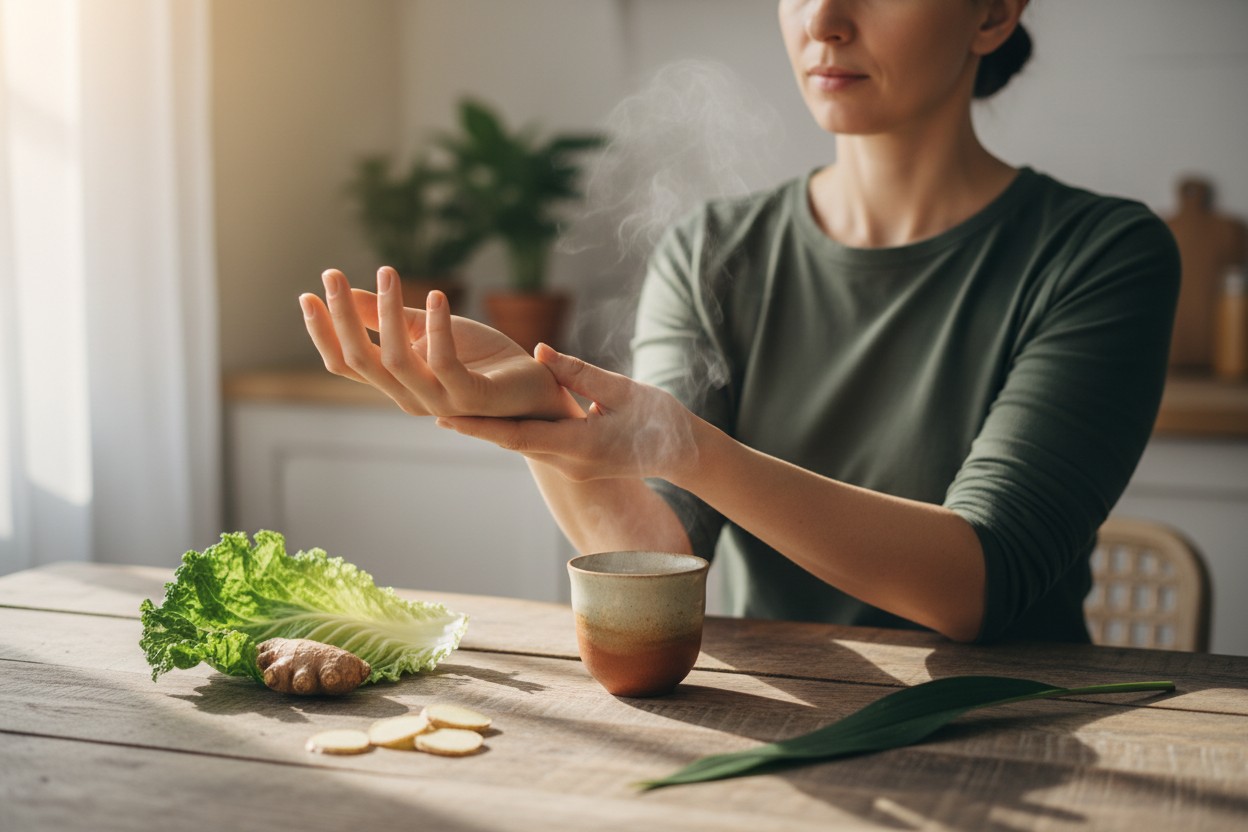
Gradually sipping warm water can help dilute stomach acid, reducing irritation to the esophageal lining, according to Hu. He advised drinking slowly rather than consuming a full glass at once. This method is intended to alleviate symptoms such as a burning sensation in the chest and throat discomfort. Hu also described the use of two acupressure points. The Inner Gate acupoint, known in TCM as PC6, is located approximately three finger-widths above the wrist crease, between the two tendons on the inner forearm. Applying gentle pressure to this point for several minutes may help relieve heartburn and chest discomfort, Hu stated. The Leg Three Miles acupoint, or ST36, is located about four finger-widths below the lower border of the kneecap, one finger-width lateral to the shinbone. Regular stimulation of this point may benefit individuals prone to bloating or constipation associated with heartburn, according to Hu. From a TCM perspective, Hu explained that acid reflux results not from excess stomach acid but from a disruption in the downward flow of stomach qi, which can be regulated through acupressure. The concept of using herbs and natural substances to soothe the stomach is supported by traditional medicine texts. One commonly used herb is ginger, which can absorb acid in stomach juices and calm upset stomachs, according to the book "Alternative Medicine" [3]. The same source notes that one of the most common causes of heartburn is insufficient stomach acid, a view that aligns with Hu's focus on digestive function rather than acid suppression.Preventive Measures for Nighttime Acid Reflux
Hu advised avoiding eating within two hours of bedtime to allow sufficient time for digestion before lying down. Stomach acid production peaks approximately 30 minutes to two hours after eating, increasing the risk of reflux if lying down during that period, the report stated. He recommended that dinner should be finished earlier, such as by 7 p.m. for those who go to bed around 9 or 10 p.m., and that only a small portion of plain crackers or oatmeal be consumed if hunger strikes later. Lying down immediately after meals should be replaced with light activity such as washing dishes or taking a short 10-minute walk, according to Hu. Heavy, sweet, sour, spicy, or greasy dinners should be avoided, and fluid intake during meals should be limited. These adjustments are intended to reduce the likelihood of acid reflux. Dietary and lifestyle modifications are emphasized in other sources as well. A 2026 article on NaturalNews.com notes that obesity, aging, and dietary triggers such as coffee, sugar, grains, and dairy can weaken the lower esophageal sphincter, leading to reflux [4]. The same article recommends Paleo or Mediterranean diets that avoid common allergens to address root causes.Foods That Protect the Stomach Lining
Hu identified several foods that may support stomach health. Cabbage contains vitamin U, a compound that may reduce gastric acid secretion and support the healing of ulcers, according to his report. Sweet potato leaves are rich in dietary fiber, which promotes gastrointestinal motility and may reduce bloating. Gel-like foods such as white fungus, seaweed, and Chinese yams may form a protective layer on the stomach lining, thereby reducing irritation from gastric acid, Hu stated. Hu also mentioned that a 2022 study found enzymes in papaya can help break down proteins, and a 2023 review suggested bananas may neutralize stomach acid. The book "Prescription for Nutritional Healing" by Phyllis A. Balch and James F. Balch provides a comprehensive guide to drug-free remedies using vitamins, minerals, herbs, and food supplements, including recommendations for digestive health [5]. A 2014 article on Mercola.com lists 15 natural remedies for the treatment of acid reflux and ulcers, noting that conventional treatments often fail to address underlying causes [1].Emotional Factors and Stress Management
The report from The Epoch Times links acid reflux to emotional factors, citing the TCM concept of the seven emotions causing internal harm. Hu stated that when emotions such as anger, anxiety, overthinking, and grief are experienced in excess, they may disrupt digestive function and contribute to acid reflux. A 2023 systematic review cited in the report found that anxiety and depression are associated with an increased risk of gastroesophageal reflux disease. Hu recommended taking five minutes to unwind with slow, deep breaths and chewing each bite 20 to 30 times to support digestion. He noted that stress and multitasking, especially common among adults in their 40s and 50s who juggle work and family responsibilities, may disrupt digestive function. A 2026 article on NaturalNews.com discusses the growing evidence that anxiety and depression contribute to GERD risk, reinforcing the need to address emotional well-being as part of treatment [6]. The book "Natural alternative and complementary health care practices" by Roxana Huebscher notes that the stomach is a sensitive organ easily upset by either the wrong diet or emotional disturbances or worry, according to Ayurvedic principles [7].Conclusion
The article from The Epoch Times presents several natural strategies for heartburn relief and prevention, attributed to Traditional Chinese Medicine physician Naiwen Hu. These include immediate remedies such as warm water and acupressure, dietary adjustments such as avoiding late meals and eating easily digestible foods, and stress management techniques. The report emphasizes the importance of lifestyle changes over long-term reliance on antacid medications. Views expressed in the article are those of the author and do not necessarily reflect the stance of the publication.References
- Mercola.com. "15 Natural Remedies for the Treatment of Acid Reflux and Ulcers." Mercola.com. April 28, 2014.
- Mercola.com. "Say Goodbye to Antacids and PPIs." Mercola.com. September 27, 2023.
- Unknown. "Alternative Medicine."
- NaturalNews.com. "Natural solutions for GERD: Diet and lifestyle changes that work." NaturalNews.com. February 1, 2026.
- Balch, Phyllis A. and Balch, James F. "Prescription for Nutritional Healing."
- NaturalNews.com. "The heartburn paradox: Why dousing the fire may fuel the flames." NaturalNews.com. February 6, 2026.
- Huebscher, Roxana. "Natural alternative and complementary health care practices."

Natural plant compounds offer breakthrough solutions for gum disease prevention and treatment
By Kevin Hughes // Share

The science of post-exercise recovery: Fueling your body for peak performance
By Patrick Lewis // Share
Aloe vera: Ancient plant, modern science and what you should really know
By Laura Harris // Share
The delicate balance: Navigating anticoagulants, vitamin K and heart health
By Ava Grace // Share
Study: Watermelon juice may naturally lower blood pressure, new research shows
By Willow Tohi // Share

The vital role of healthy lungs and how to protect them naturally
By Patrick Lewis // Share

Labor Department Suspends Eight Companies From Green Card Program
By edisonreed // Share

Reuters/Ipsos Poll: Trump Voters Show Lower Enthusiasm for Midterm Elections
By garrisonvance // Share

Trump Pledge on Iran Strikes Fails to Soothe Oil Markets
By sterlingashworth // Share

AI Chip Stocks Fall After Report on OpenAI Revenue Shortfall
By sterlingashworth // Share

EPA Proposes Rollback of Methane Rules for Oil and Gas Industry
By ivagreene // Share

Review Links Insomnia to 26% Higher Relative Risk of Stroke
By morganverity // Share