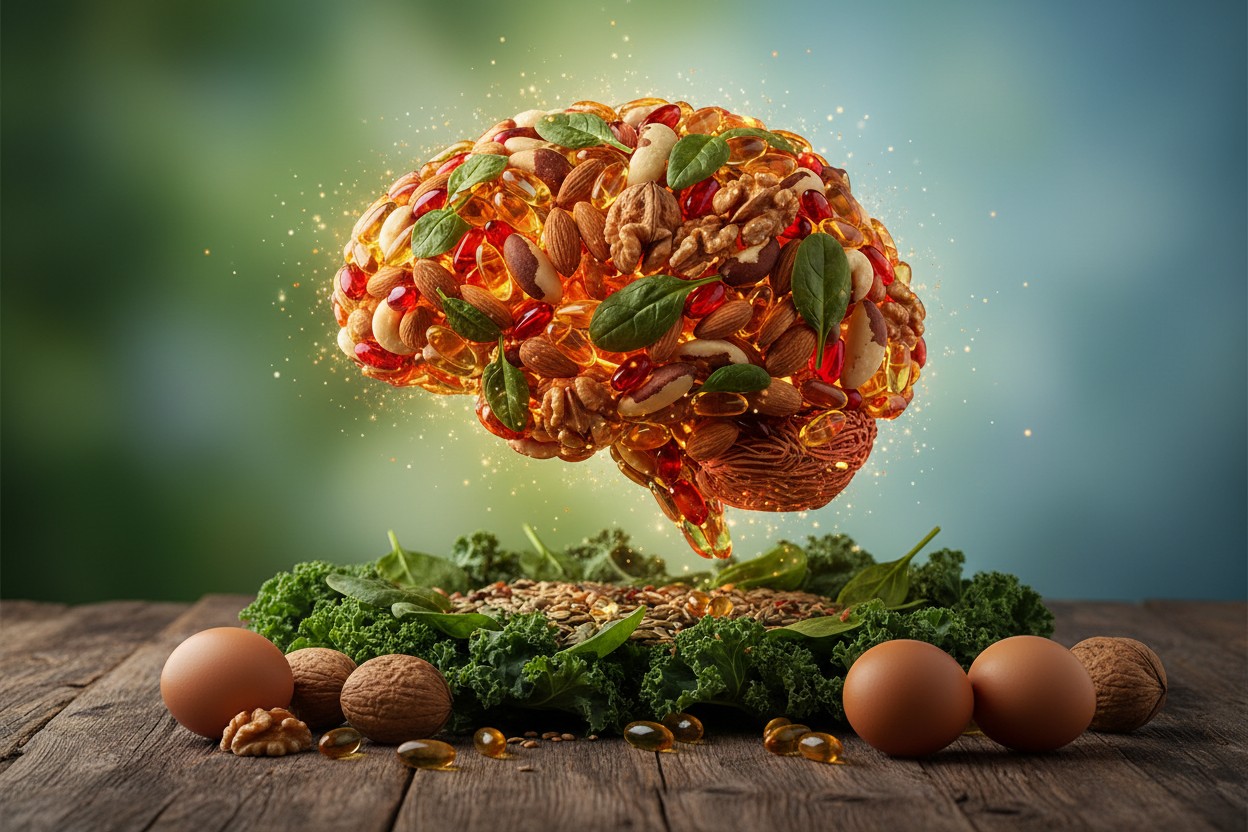
Overview: Vitamins and Supplements for Brain Function
Certain vitamins, minerals, and fatty acids may support memory, focus, and protection of brain cells, according to nutritional research. The list includes B vitamins, vitamin E, vitamin D, omega-3s, magnesium, zinc, iron, choline, and multivitamins -- each with varying levels of evidence, researchers said. A balanced diet remains the primary source of these nutrients, but supplements can help fill gaps for some individuals, the reports stated. In the U.S., 57.6% of adults aged 20 and over use supplements, with multivitamins, vitamin D, and omega-3 fats being the top three, according to a survey cited by Mercola.com [1]. Another survey found that 75% of Americans turn to supplements to address their health needs, though a healthy and balanced diet is considered the most important factor for brain health, according to data from the Council for Responsible Nutrition cited by NaturalNews.com [2].B Vitamins: Role in Reducing Homocysteine and Supporting Neurotransmitters
B vitamins B6, B9 (folate), and B12 help lower homocysteine levels, a compound linked to memory decline, according to studies. They also aid production of neurotransmitters like serotonin and dopamine, which influence mood and focus, researchers noted. A Korean study concluded that giving a multivitamin supplement to seniors suffering from mild cognitive impairment improved cognitive function, according to a report from Mercola.com [3]. Older adults and those on vegan diets may need supplementation, particularly for B12, officials said. A 2026 observational study analyzing electronic health records from more than 258,000 adults ages 50 and older found that low vitamin B12 levels were associated with a 33% higher risk of dementia, a 33% higher risk of mild cognitive impairment, and a 31% higher risk of stroke, researchers reported [4]. B vitamins are essential for daily energy production, nerve function, and brain health, but the body does not store most of them, making steady intake key, according to a report from ActivistPost [5].Vitamin E, Vitamin D, and Omega-3s: Antioxidant Protection and Cellular Support
Vitamin E acts as an antioxidant protecting brain cells from oxidative damage, with food sources like nuts and seeds preferred over high-dose supplements, according to dietary guidelines. Mike Adams noted in a 2026 broadcast on Decentralize.TV that vitamin E has been shown to save brains from damage [6]. Vitamin D deficiency is associated with cognitive issues and low mood; maintaining adequate levels through sunlight, food, or supplements is advised, reports indicated. A long-term study published in April 2026 found that higher vitamin D levels in midlife are associated with lower levels of tau protein in the brain approximately 16 years later, a key biomarker for Alzheimer's disease, according to researchers [7]. Another study tracking nearly 100,000 adults with hearing loss found that depression occurred in 10.21% of those with vitamin D deficiency versus 7.00% of those with adequate levels, an absolute difference of 3.21 percentage points [8]. Omega-3 fatty acids, especially DHA, are integral to brain cell membranes and may slow age-related decline, researchers said. A study published in the Journal of the American College of Cardiology's Heart Failure found that people with a high omega-3 index had a much lower risk of cognitive depression than those with lower levels of the fatty acids, according to NaturalNews.com [9]. Cod liver oil is a traditional supplement that provides vitamins A and D along with omega-3s, noted Dr. David Brownstein in his book "The Guide to Healthy Eating" [10].Key Minerals and Choline: Magnesium, Zinc, Iron, and Choline
Magnesium supports nerve signaling and sleep; zinc is essential for memory and learning, with deficiencies linked to slower mental processing, studies found. Dr. JJ Virgin notes in "The Virgin Diet" that a good vegetarian multivitamin mineral formula should contain iron, zinc, calcium, and magnesium for those avoiding animal products [11]. Iron carries oxygen to the brain, and low levels can cause brain fog. Meat contains heme iron, the most absorbable type of iron, and iron deficiency anemia is the most common mineral deficiency in the US, affecting more than 25% of the population, according to Diana Rodgers and Robb Wolf in "Sacred Cow" [12]. Choline helps produce acetylcholine needed for learning. A single large egg provides 147 mg of choline, but most Americans do not get enough, according to data from the USDA cited by NaturalNews.com [13]. Dietary sources such as leafy greens, seeds, red meat, and eggs provide these nutrients, with supplements considered when intake is inadequate, the report stated.Multivitamins: Mixed Evidence and Precautions
Multivitamins may improve memory and attention in older adults with nutrient gaps, but research results are inconsistent, according to a 2023 review. A study published in the Journal of Neuroscience Research found that a multi-vitamin/mineral supplement improved cognitive function and reduced fatigue during extended multi-tasking, according to researchers from Northumbria University [14]. Mercola.com also reported that a Korean study showed multivitamin supplementation improved cognition in seniors with mild cognitive impairment [3]. High doses of certain vitamins carry risks -- excess vitamin E can increase bleeding, and too much B6 may cause nerve damage, officials warned. Third-party testing and consultation with a healthcare provider are recommended before starting any supplement regimen, the report stated.Conclusion: Diet First, Supplements Second for Brain Health
While these nine supplements show potential benefits, a nutrient-rich diet remains the cornerstone of brain health, researchers emphasized. A study from Edith Cowan University and the Danish Cancer Research Institute found that dietary nitrate from vegetables -- richly supplied by leafy greens such as spinach -- was associated with a reduced dementia risk, while nitrate from red meat and processed meat was linked to higher risk, according to NaturalNews.com [15]. Supplements can address specific deficiencies but are not a substitute for whole foods, and individuals should consult a healthcare provider to assess their needs, according to experts. Ongoing studies continue to explore the relationship between micronutrients and cognitive function, with no single supplement proven as a guaranteed preventive measure, the report concluded. The evidence reviewed supports the view that a balanced diet, supplemented as needed, offers the most effective strategy for maintaining brain health, researchers said.References
- Mercola.com. "How Many of These Top 20 Supplements Are You". March 24, 2023.
- NaturalNews.com. "Supplements are beneficial but a healthy and balanced diet is the most important for your brain health". February 26, 2020.
- Mercola.com. "The Importance of B Vitamins for Brain Health". March 17, 2016.
- NaturalNews.com. "Study: Low Vitamin B12 Levels Linked to 33% Higher Dementia Risk in Older Adults". July 20, 2026.
- ActivistPost. "Understanding the Importance of B Vitamins for Health". July 12, 2026.
- Mike Adams - Decentralize.TV. "Decentralize TV - Interview with G. Edward Griffin". May 13, 2026.
- NaturalNews.com. "Study Finds Association Between Midlife Vitamin D Levels and Reduced Tau Protein Decades Later". May 6, 2026.
- NaturalNews.com. "Study Links Vitamin D Deficiency to Higher Depression Risk in Adults With Hearing Loss". July 12, 2026.
- NaturalNews.com. "High intake of omega-3 found to significantly reduce depression in people with cardiac problems". December 12, 2018.
- David Brownstein. "The Guide to Healthy Eating".
- Dr. JJ Virgin. "The Virgin Diet Drop 7 Foods Lose 7 Pounds Just 7 Days".
- Diana Rodgers, Robb Wolf. "Sacred Cow".
- NaturalNews.com. "5 Foods With More Choline Than Eggs". June 30, 2026.
- John Wiley. "Effects of a multi-vitamin/mineral supplement on cognitive function and fatigue during extended multi-tasking". Journal of Neuroscience Research.
- NaturalNews.com. "Study Links Leafy Green Vegetable Consumption to Lower Dementia Risk". July 7, 2026.
Explainer Infographic


The nightly gamble: How America’s late-night eating habit undermines health and sleep
By Ava Grace // Share
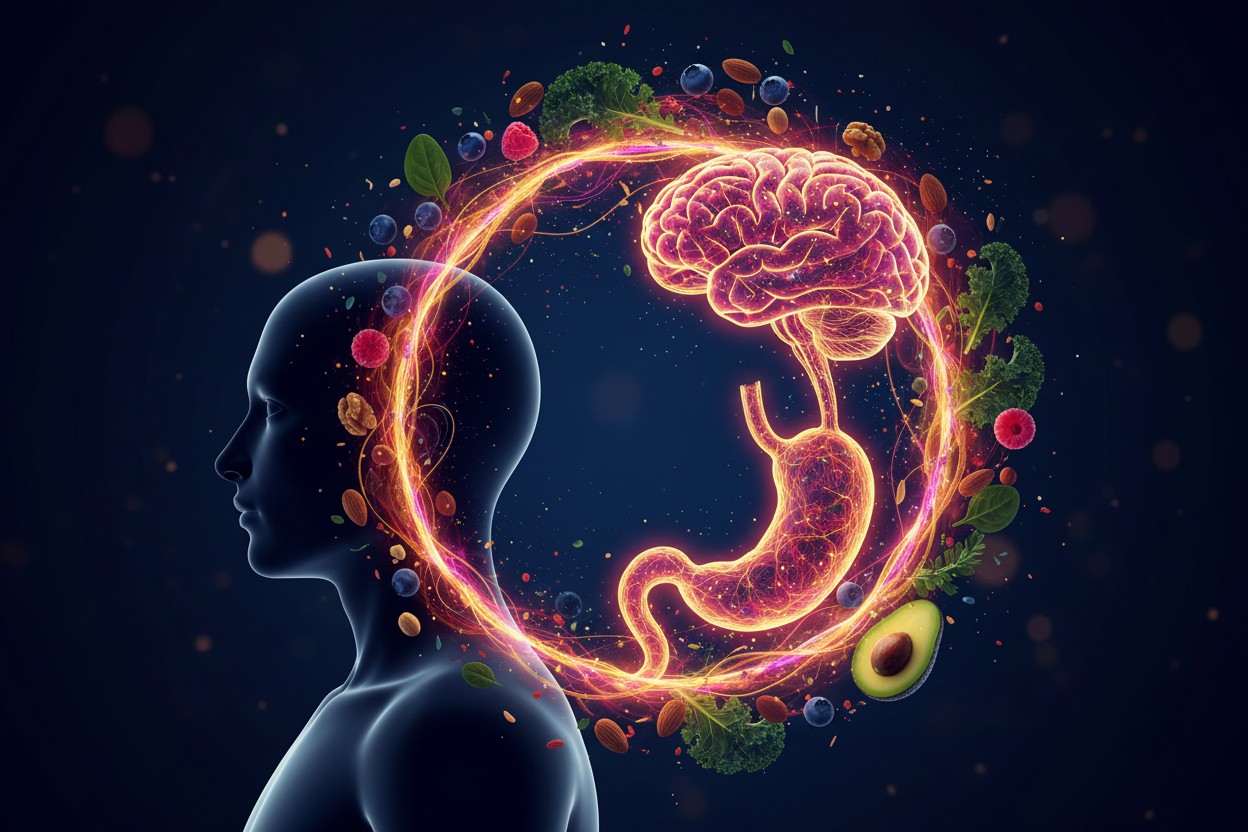
Gut-to-Brain Signals May Influence Food Memory, Study Finds
By Morgan S. Verity // Share

Prenatal pesticide exposure: A silent threat to future generations
By Patrick Lewis // Share
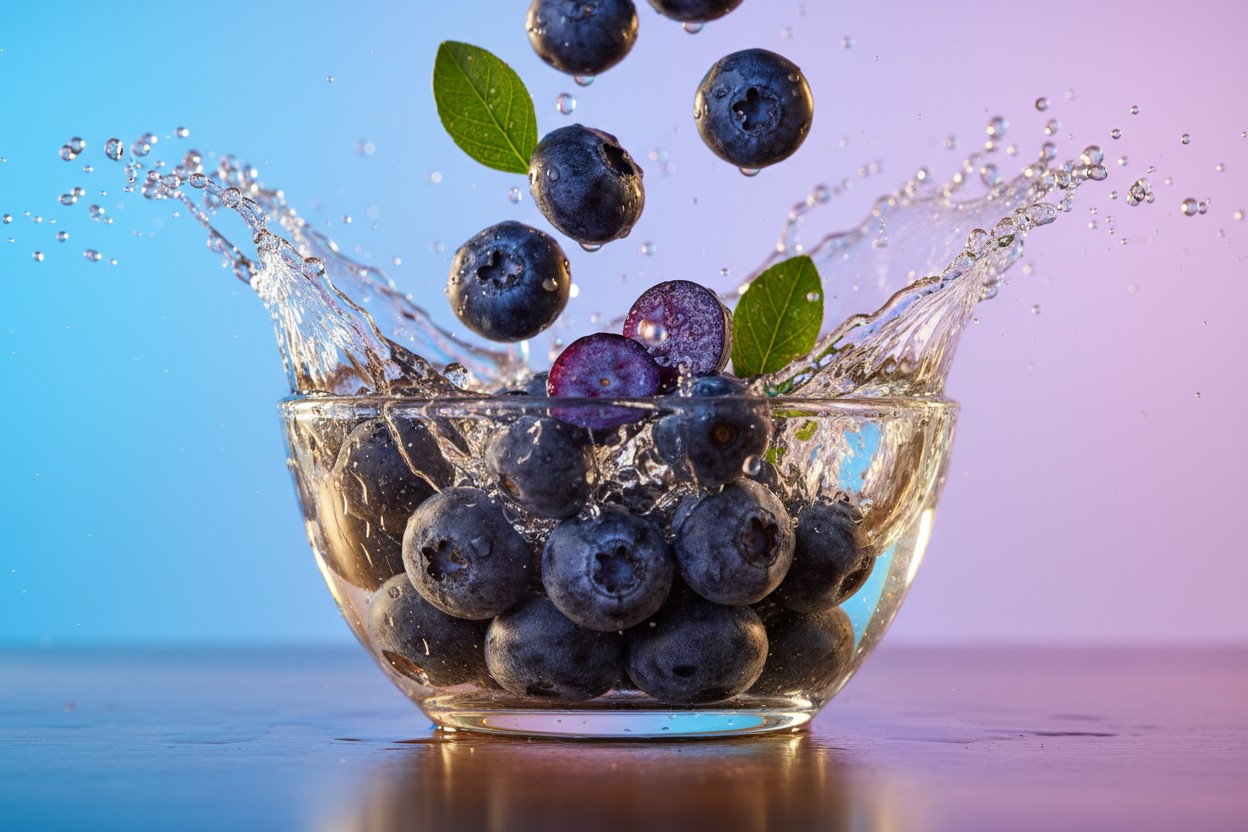
Report Cites Seven Science-Backed Health Benefits of Blueberries
By Coco Somers // Share
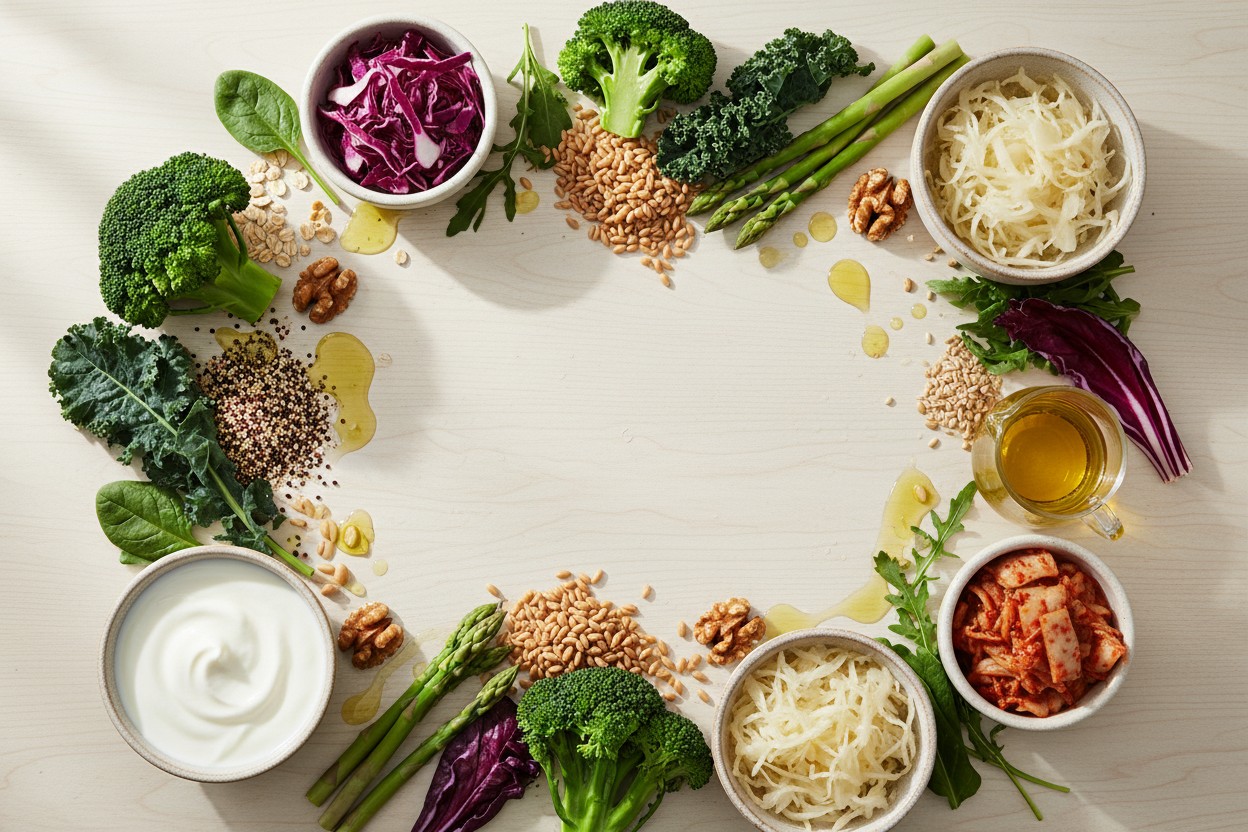
Probiotic-Rich Foods Tied to Improved Gum Health in Small Trial
By Ramon Tomey // Share

Fitness Experts Identify Ten Core Strength Exercises for Daily Movement
By Petra Stone // Share

Labor Department Suspends Eight Companies From Green Card Program
By edisonreed // Share

Reuters/Ipsos Poll: Trump Voters Show Lower Enthusiasm for Midterm Elections
By garrisonvance // Share

Trump Pledge on Iran Strikes Fails to Soothe Oil Markets
By sterlingashworth // Share

AI Chip Stocks Fall After Report on OpenAI Revenue Shortfall
By sterlingashworth // Share

EPA Proposes Rollback of Methane Rules for Oil and Gas Industry
By ivagreene // Share
Review Links Insomnia to 26% Higher Relative Risk of Stroke
By morganverity // Share