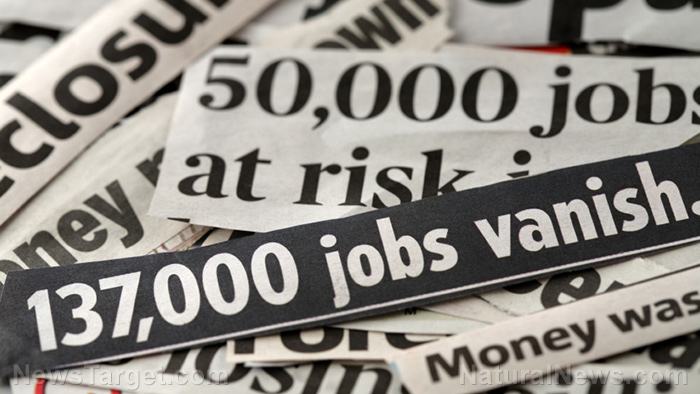
- Porsche will cut 5,000 more jobs by 2035, totaling 9,400 positions or nearly one-fifth of its workforce.
- Volkswagen may double its planned cuts to 100,000 jobs amid Germany's worst industrial slump in a generation.
- Porsche avoided forced layoffs through attrition and buyouts, but remaining staff face thinner raises and tighter work rules.
- Abandoned EV investments and plunging China sales drove Porsche’s operating profit down nearly 93% last year.
- Germany has lost roughly 125,000 auto-sector jobs since 2019 as industrial output shrank for two straight years.
Deal avoids forced layoffs but slows wage growth
Porsche and labor representatives struck the deal Monday, opting to shed the additional 5,000 roles gradually through retirements, attrition and buyout offers rather than issue layoff notices. It builds on a previous round of 3,900 cuts finalized in February 2025 and another 500 tied to shuttered subsidiaries. In exchange for the no-layoffs pledge, remaining staff will see thinner raises, smaller bonus payouts, tighter limits on remote work, and revised break and shift schedules. Nearly 40% of positions at Porsche's German sites will ultimately disappear — a far steeper toll than the company faces elsewhere. "The Future Package is good for Porsche," said Dr. Michael Leiters, chairman of Porsche AG's executive board, in a statement. "It gives us the opportunity to strategically realign our company and invest in our competitiveness." The company employed around 42,600 people as of the end of 2024.Energy policies, EV strategy blamed for collapse
Executives point to soft global demand, Chinese rivals, U.S. tariffs and a botched electric-vehicle pivot as the immediate causes. But Porsche's slide is also a symptom of a deeper industrial strain that critics trace to policy choices in Berlin and Brussels. Germany walked away from the cheap Russian pipeline gas that once underpinned its manufacturing sector, then shuttered its last nuclear plants and pushed a costly transition toward wind and solar power. German Chancellor Friedrich Merz acknowledged earlier this month that the country is experiencing an "ongoing energy crisis due to the lack of Russian gas." Regulators in both capitals also pressured automakers to pour money into EV production even as consumer demand lagged well behind political targets, and Berlin pulled back further by scrapping EV purchase subsidies without warning in late 2023. Porsche was among the hardest hit, scrapping a long-planned all-electric platform after years of investment. That reversal alone drove €3.9 billion in one-time charges last year and helped send operating profit plunging nearly 93% from €5.6 billion to just €413 million. Sales in China, once Porsche's most lucrative market, have fallen by more than half since their 2021 peak. "The job cuts roughly correspond to the decline in sales volume," Metzler automotive analyst Daniel Schwarz told Reuters. "They are unavoidable in order to reduce costs, because a return to strong growth in China is not expected."Broader crisis engulfs German auto industry
Porsche's cuts are only part of a larger reckoning underway at Volkswagen. CEO Oliver Blume is considering doubling previously planned group-wide layoffs from 50,000 to 100,000, and has floated shutting four factories, including one run by Audi, after 2030. Porsche and VW aren't alone. BASF, Bosch, Volkswagen and other major manufacturers have closed plants or unveiled sizable cutbacks since 2022, while Mercedes-Benz and BMW are trimming their own costs while juggling tariffs, the EV transition and mounting pressure from Chinese competitors. Porsche's agreement does offer some reassurance to remaining workers: production will continue at existing sites through 2035, backed by €2.1 billion ($2.39 billion) earmarked for its Stuttgart-Zuffenhausen plant and Weissach research center. For a country that built its postwar identity on manufacturing might, the math is getting harder to ignore. Between abandoning affordable energy, mandating a technology shift consumers never fully embraced, and now watching its most storied brands hollow out their own workforces, Germany's political class has yet to answer the only question that matters: what, if anything, is supposed to replace the industry it dismantled. Sources for this article include: RT.com Reuters.com RoadAndTrack.com
Houthi drone, missile blitz kills 30 Yemeni troops, shattering four-year truce
By Cassie B. // Share

Trump Declares War on Missile Shortage Leakers, Promises Long Prison Time
By Garrison Vance // Share

Report: International Shipping Firms Deem Iran-Oman Deal for Strait of Hormuz “Unfeasible”
By Ramon Tomey // Share

U.S. Crude Oil Emergency Buffer Drops to 43 Days, Lowest in 45 Years
By Garrison Vance // Share

EU Wildfires Cause €3 Billion in Damages, FT Reports
By Garrison Vance // Share

Mearsheimer Essay on Antiwar.com Criticizes U.S. Iran Policy
By Garrison Vance // Share

Labor Department Suspends Eight Companies From Green Card Program
By edisonreed // Share

Reuters/Ipsos Poll: Trump Voters Show Lower Enthusiasm for Midterm Elections
By garrisonvance // Share

Trump Pledge on Iran Strikes Fails to Soothe Oil Markets
By sterlingashworth // Share

AI Chip Stocks Fall After Report on OpenAI Revenue Shortfall
By sterlingashworth // Share
EPA Proposes Rollback of Methane Rules for Oil and Gas Industry
By ivagreene // Share

Review Links Insomnia to 26% Higher Relative Risk of Stroke
By morganverity // Share