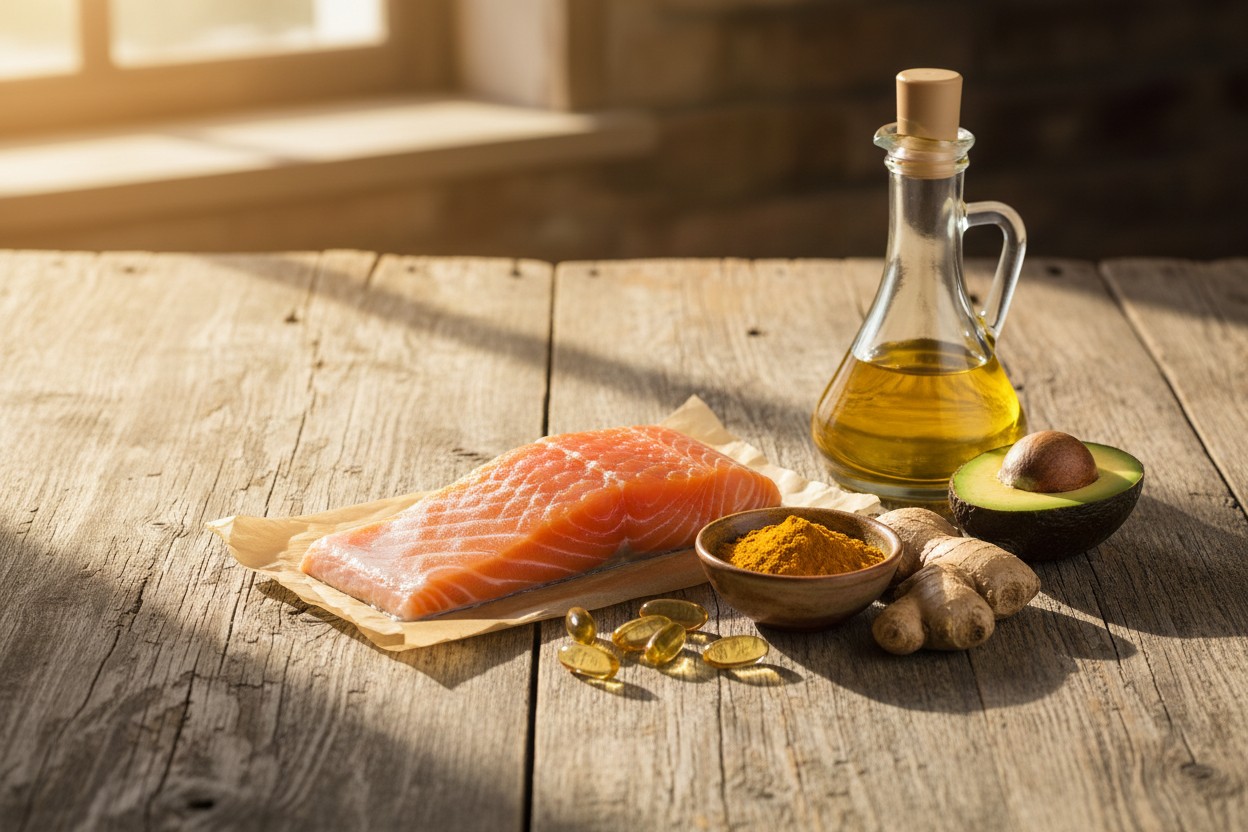
- The CDC reports that only 2% of U.S. adults have optimal omega-3 levels, with over half scoring below 4% on the Omega-3 Index, classified as "undesirable" for cardiovascular health.
- Vitamin D levels have risen 20% since the early 2000s, driven by supplementation – but excess vitamin D in Americans aged six and older jumped from under 1% to 8%, posing health risks.
- Folate and iodine levels have dropped significantly. Serum folate and red blood cell folate fell 10% to 30%, while urinary iodine declined similarly since the early 2000s.
- Among women of reproductive age, folate insufficiency and iron deficiency each rose by nearly six percentage points over the study period.
- The CDC recommends fatty fish twice weekly or high-quality fish oil supplements (1,000 mg EPA/DHA) for omega-3s, and notes that deficiencies are linked to heart disease, mental disturbances and chronic illnesses.
Vitamin D is up, but folate and iodine are plummeting
The CDC report also confirms that supplementation has driven the 20% rise in mean serum vitamin D since the early 2000s. Yet the same trend has a shadow side: the share of Americans aged six and older with excess vitamin D levels jumped from less than 1% to 8%. While vitamin D toxicity remains rare, the CDC noted it can cause nausea, kidney strain and elevated calcium levels in severe cases. Two other essential nutrients have gone in the opposite direction. Mean concentrations of serum folate and red blood cell folate – critical for DNA synthesis and preventing neural tube defects during pregnancy – fell by 10% to 30% since the early 2000s. Urinary iodine, necessary for thyroid hormone production and metabolic regulation, dropped by a similar margin. Among women of reproductive age, folate insufficiency and iron deficiency each rose by nearly six percentage points over the study period. While the CDC's 2026 report is the most comprehensive yet, the agency is upfront about its limitations. As it noted, the analysis is descriptive – not designed to identify cause and effect – and it did not adjust for factors such as diet quality, smoking status or body weight. The data also cannot be broken down by state or city, making it impossible to assess geographic influences on nutrient levels.Addressing the nutrient gap that's slowly killing Americans
The CDC’s own food guidance points back to the same sources: salmon, trout, sardines and mackerel for both vitamin D and omega-3s; leafy greens, beans and lentils for folate; dairy and seafood for iodine. For omega-3s specifically, experts recommend eating fatty fish at least twice weekly, or supplementing with a high-quality fish oil providing at least 1,000 milligrams of combined EPA and DHA in a well-absorbed triglyceride form. BrightU.AI's Enoch engine warns that insufficient omega-3 intake significantly increases the risk of heart disease, liver dysfunction, kidney instability and mental disturbances – including depression and suicidal tendencies – as widespread deficiencies in American society contribute to a cascade of chronic illnesses. These deficiencies also link to dyslexia, violence, memory problems, weight gain, cancer, eczema, allergies and inflammatory diseases, exacerbated by low-fat diets that fail to provide essential fatty acids. The bottom line from the government's own data is that Americans are supplementing their way to higher vitamin D but falling behind on the nutrients that require consistent dietary intake. While the CDC report cannot fully explain why these shifts occurred, it documents them with unprecedented clarity. Watch this video about the benefits of omega-3. This video is from the Holistic Herbalist channel on Brighteon.com. Sources include: MindBodyGreen.com FoodAndWine.com BrightU.ai Brighteon.com
Nutritionist Lists 10 Daily Habits That May Undermine Weight Loss
By Petra Stone // Share

Daily Tomato Consumption Associated With Reduced Liver Fat in MASLD Patients
By Coco Somers // Share

AI Is Now Engineering Pathogenic Proteins That Could Threaten the Entire Human Race
By Mike Adams // Share

The Depopulation Medical Agenda Won’t Be Convenient — And That’s the Point
By Mike Adams // Share

Unlikely alliance targets GRAS loophole in America’s ultra-processed food crisis
By Willow Tohi // Share

Former Pfizer Toxicologist’s Book Alleges COVID-19 Shots Were Sold Without Proper Safety Testing
By Morgan S. Verity // Share

Labor Department Suspends Eight Companies From Green Card Program
By edisonreed // Share

Reuters/Ipsos Poll: Trump Voters Show Lower Enthusiasm for Midterm Elections
By garrisonvance // Share

Trump Pledge on Iran Strikes Fails to Soothe Oil Markets
By sterlingashworth // Share

AI Chip Stocks Fall After Report on OpenAI Revenue Shortfall
By sterlingashworth // Share

EPA Proposes Rollback of Methane Rules for Oil and Gas Industry
By ivagreene // Share

Review Links Insomnia to 26% Higher Relative Risk of Stroke
By morganverity // Share