Protein and Collagen
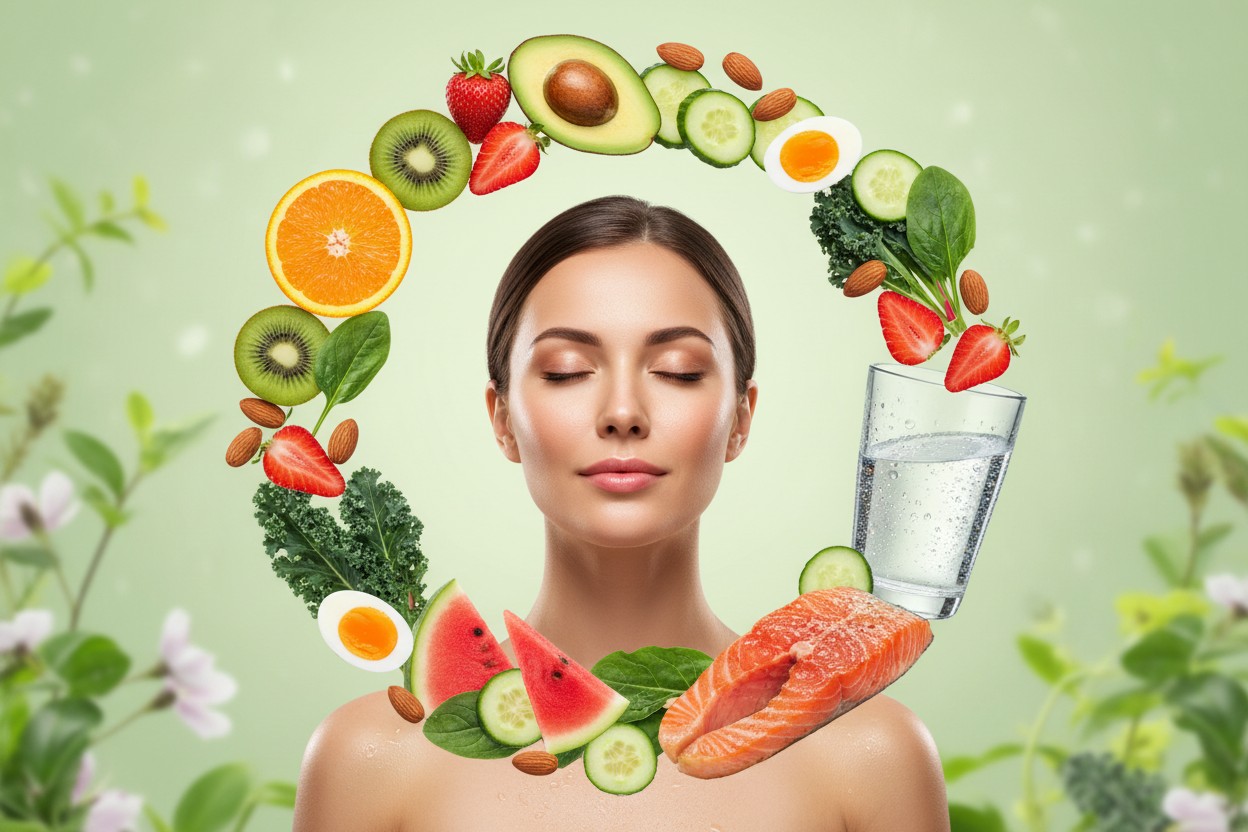
According to Knudsen's article, healthy skin starts with adequate protein. Protein supplies amino acids, which the body uses to build collagen and elastin, the structural proteins that help keep skin firm, smooth, and resilient. The article cited salmon, oysters, bone broth, eggs, almonds, avocados, and dark leafy greens as food sources that contribute to daily intake while offering additional nutrients for skin health. Collagen, the protein responsible for skin strength and elasticity, naturally declines with age, according to a NaturalNews.com article by Willow Tohi [1]. Knudsen's article stated that collagen peptides can provide targeted support for skin elasticity, hydration, and the appearance of fine lines over time, and it named mindbodygreen's beauty & gut collagen+ as one option. Research reported by NaturalNews.com on a University of Otago study found that dietary vitamin C intake is linked to firmer skin and increased collagen production [6].Antioxidant-Rich Foods
The article said skin is exposed every day to environmental stressors such as UV rays, pollution, and normal metabolic processes that generate free radicals. Over time, according to the article, oxidative stress can contribute to visible signs of skin aging. Vitamin C was described as especially important for skin because it helps protect against oxidative stress and is essential for collagen production. The article listed citrus fruits, strawberries, kiwi, bell peppers, and broccoli as vitamin C sources and said that eating a wide variety of colorful fruits and vegetables provides different antioxidant compounds. Research supports the role of dietary antioxidants in skin health. A clinical study reported by NaturalNews.com found that increasing blood vitamin C levels through diet leads to a measurable increase of the vitamin within the skin itself, resulting in thicker skin and faster cellular renewal [2]. A review of carotenoids concluded that consuming carotenoid-rich foods such as leafy greens, tomatoes, and carrots may help protect the skin from UV damage and slow visible aging [8].Hydration and Water-Rich Foods
According to Knudsen's article, dehydration can make skin appear dull, dry, and less supple. The article stated that roughly 20 percent of daily water intake can come from foods, especially fruits and vegetables with high water content. Hydrating foods cited in the article include cucumbers, watermelon, strawberries, celery, lettuce, and bell peppers. Other reporting supports the role of water-rich foods in hydration. U.S. Department of Agriculture data cited by nutrition researchers shows multiple fruits contain water content above 85 percent, making them a supplemental source of hydration [9]. Cucumbers are composed of approximately 95 percent water, according to a report by NaturalNews.com [7]. The book Aloe vera natures soothing healer quotes a skin care expert saying a balanced diet of fruits, vegetables, proteins, and carbohydrates is essential for healthy skin and recommends drinking four to eight glasses of purified water each day [5].Conclusion
The article concluded that consistent nutrition supports collagen production, protection against oxidative stress, and hydration. It advised pregnant, breastfeeding, or medicated individuals to consult a health care provider before starting a supplement routine. Knudsen's takeaway states: "Healthy skin is the result of consistently giving your body the nutrients it needs to support collagen production, protect against oxidative stress, and maintain hydration."References
- Willow Tohi. "Unveiling the Collagen Connection: Morning Habits Backed by Science for Younger-Looking Skin". NaturalNews.com. July 25, 2025.
- NaturalNews.com. "Study Finds Diet Holds Key to Younger-Looking Skin". January 5, 2026.
- Anjali Mahto. "The Skincare Bible".
- Julie Gabriel. "Holistic Beauty from the Inside Out".
- Diane Gage. "Aloe vera natures soothing healer".
- NaturalNews.com. "Study: Dietary Vitamin C Intake Linked to Firmer Skin, Increased Collagen Production". August 3, 2026.
- NaturalNews.com. "Cucumbers: Water Content, Nutrient Profile and Reported Benefits". August 4, 2026.
- NaturalNews.com. "Study: Dietary Carotenoids Linked to Improved Skin Health, Reduced Signs of Aging". July 14, 2026.
- NaturalNews.com. "Eight Fruits With High Water Content Can Support Daily Hydration, Nutrition Experts Say". July 14, 2026.
Explainer Infographic


Study Associates Frequent TV Watching with Reduced Brain Volume Over 22 Years
By Morgan S. Verity // Share

Stretching Type and Duration Affect Flexibility and Performance, Review Finds
By Petra Stone // Share

Vitamin D Supplementation Tied to Slower Biological Aging, Studies Find
By Coco Somers // Share

How your after-meal sugar spike could be fueling the Alzheimer’s epidemic
By Ava Grace // Share

The hidden switch: How eating real food cuts 330 calories a day without trying
By Ava Grace // Share

Seven-Day Meditation Retreat Linked to Brain and Blood Changes, Report Says
By Morgan S. Verity // Share

Labor Department Suspends Eight Companies From Green Card Program
By edisonreed // Share

Reuters/Ipsos Poll: Trump Voters Show Lower Enthusiasm for Midterm Elections
By garrisonvance // Share

Trump Pledge on Iran Strikes Fails to Soothe Oil Markets
By sterlingashworth // Share

AI Chip Stocks Fall After Report on OpenAI Revenue Shortfall
By sterlingashworth // Share

EPA Proposes Rollback of Methane Rules for Oil and Gas Industry
By ivagreene // Share

Review Links Insomnia to 26% Higher Relative Risk of Stroke
By morganverity // Share