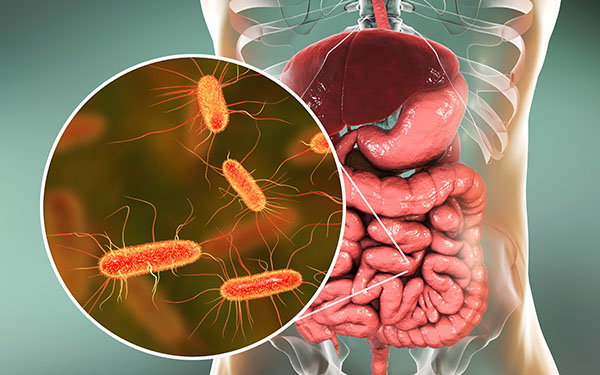
- The most important step is to eat foods rich in prebiotic fibers (like soluble fiber, insoluble fiber and resistant starches), which pass undigested to nourish and promote a diverse, resilient community of beneficial gut bacteria.
- These live beneficial microorganisms, found in fermented foods, can help fortify the gut barrier and have clinically supported benefits for specific issues like antibiotic-associated diarrhea and some IBS symptoms.
- A diet rich in prebiotic fibers provides the necessary fuel for probiotic microbes to thrive, leading to systemic benefits including enhanced immune function, reduced inflammation and improved nutrient absorption.
- Building meals around diverse, fiber-rich plants (like garlic, onions and oats) and fermented foods (like yogurt and kimchi) is preferred over relying on supplements, which are not strictly regulated and are not risk-free for everyone.
- Gut health is about skilled ecosystem management through diet and, when appropriate, professional guidance for supplementation—moving beyond quick fixes to build a resilient foundation for overall well-being.
From folk remedy to frontline science
The concept of manipulating gut bacteria for health is ancient. Civilizations intuitively harnessed fermentation, with foods like kimchi, sauerkraut and yogurt prized for preservation and suspected benefits. Modern science began with Élie Metchnikoff, who linked fermented milk to longevity. A century of research, accelerated by genomic sequencing, has since mapped the human microbiome, revealing its profound connections to immunity, metabolism and mental health.Prebiotics: The foundational nourishment
Researchers almost universally agree that the most crucial step for gut flora health is eating foods rich in the nutrients they thrive on: prebiotics. These are non-digestible fibers—soluble fiber, insoluble fiber and resistant starches—that pass through our digestive system intact to become fuel for our gut bacteria. This fermentation produces short-chain fatty acids, which nourish colon cells, reduce inflammation and exert positive effects throughout the body. Prebiotics are abundantly found in fibrous plants: garlic, onions, leeks, asparagus, bananas and oats. Their primary function is not to add new microbes, but to strategically fertilize the existing beneficial ones, promoting a diverse and resilient microbial community. Being sure to eat a diet rich in these prebiotics is the most important step we can take to ensure healthy gut flora.Probiotics: The targeted reinforcements
Probiotics are live, beneficial microorganisms that, when consumed in adequate amounts, confer a health benefit. Think of them as specialized reinforcements for your native gut bacteria. They work to fortify the gut's mucosal barrier, helping prevent harmful pathogens from leaking into the bloodstream, a phenomenon linked to systemic inflammation. Clinical research supports their use for specific conditions, particularly antibiotic-associated diarrhea and certain symptoms of irritable bowel syndrome (IBS). They are found naturally in fermented foods labeled "live and active cultures," such as yogurt, kefir and kimchi. While not a magic bullet, probiotics offer significant benefits when used appropriately with a balanced and informed perspective. The true power is realized in synergy. A diet rich in prebiotic fibers ensures that probiotic microbes, whether from food or supplements, have the resources to establish and thrive. This partnership yields benefits far beyond the gut. A balanced microbiome enhances immune function, improves mineral absorption and by crowding out pathogens, can lower systemic inflammation—a contributor to cardiovascular and metabolic diseases. Emerging research continues to explore profound gut-brain axis connections, investigating how a healthy microbiome influences mood and cognition.Navigating the marketplace: Food first, caution always
The booming supplement industry presents a minefield. The U.S. FDA regulates dietary supplements like probiotics under a less rigorous framework than pharmaceuticals. Claims are not always FDA-substantiated and potency, purity and strains can vary wildly. There are documented instances of probiotic supplements causing serious infections in critically ill or immunocompromised individuals, underscoring that they are not universally benign. Therefore, the most prudent and evidence-based path is a "food-first" philosophy. Building meals around diverse, fiber-rich plants and incorporating fermented foods provides a broad spectrum of prebiotics and probiotics in their natural context. Supplements should not be seen as a magic bullet to compensate for a poor diet but as a targeted tool for specific conditions, used under professional guidance.Cultivation over quick fixes
"Gut health refers to the optimal functioning and balance of your digestive system, particularly the community of microorganisms living in your intestines," said BrightU.AI's Enoch. "A healthy gut efficiently breaks down food, absorbs nutrients and supports a robust immune system. It is maintained by a diverse and balanced gut microbiome, which is influenced by diet, lifestyle and overall well-being." The journey into gut health reveals a fundamental truth: Optimal health is less about sterile eradication and more about skilled cultivation. The news is not of a miracle cure, but of a paradigm shift—recognizing that we are, in part, ecosystems. The historical arc from fermented folk remedies to cutting-edge science validates a timeless principle: what we consume fundamentally shapes our vitality. In an age of information overload, the most powerful step is to move beyond buzzwords. By choosing a diverse, whole-foods diet rich in prebiotic fibers, thoughtfully incorporating probiotic foods and consulting with medical professionals, we do more than aid digestion. We take definitive, informed control of our well-being, building a foundation of health that is as resilient as it is personal. The gut is a complex ecosystem and the best way to support it is through the combined, informed use of diet and targeted supplementation. Watch and discover healthy ways to enhance your immune system with prebiotics and probiotics. This video is from the Nathan Crane - Natural Health channel on Brighteon.com. Sources include: AdventHealth.com MDanderson.org MayoClinic.org BrightU.ai Brighteon.com
Organic cypress essential oil: A minimalist approach to everyday aromatherapy
By HRS Editors // Share

Fascia Training Exercises Said to Ease Back Strain, Improve Balance
By Edison Reed // Share

5 At-Home Leg Exercises for Strength After 60
By Petra Stone // Share

Range of Motion Shapes Everyday Tasks, Physical Therapists Report
By Petra Stone // Share

Regular Citrus Consumption Linked to Lower Risk of Chronic Disease, Researchers Report
By Coco Somers // Share
Daily Nut Intake Associated With Lower Hypertension Risk, Analysis Finds
By Coco Somers // Share

Labor Department Suspends Eight Companies From Green Card Program
By edisonreed // Share

Reuters/Ipsos Poll: Trump Voters Show Lower Enthusiasm for Midterm Elections
By garrisonvance // Share

Trump Pledge on Iran Strikes Fails to Soothe Oil Markets
By sterlingashworth // Share

AI Chip Stocks Fall After Report on OpenAI Revenue Shortfall
By sterlingashworth // Share

EPA Proposes Rollback of Methane Rules for Oil and Gas Industry
By ivagreene // Share

Review Links Insomnia to 26% Higher Relative Risk of Stroke
By morganverity // Share