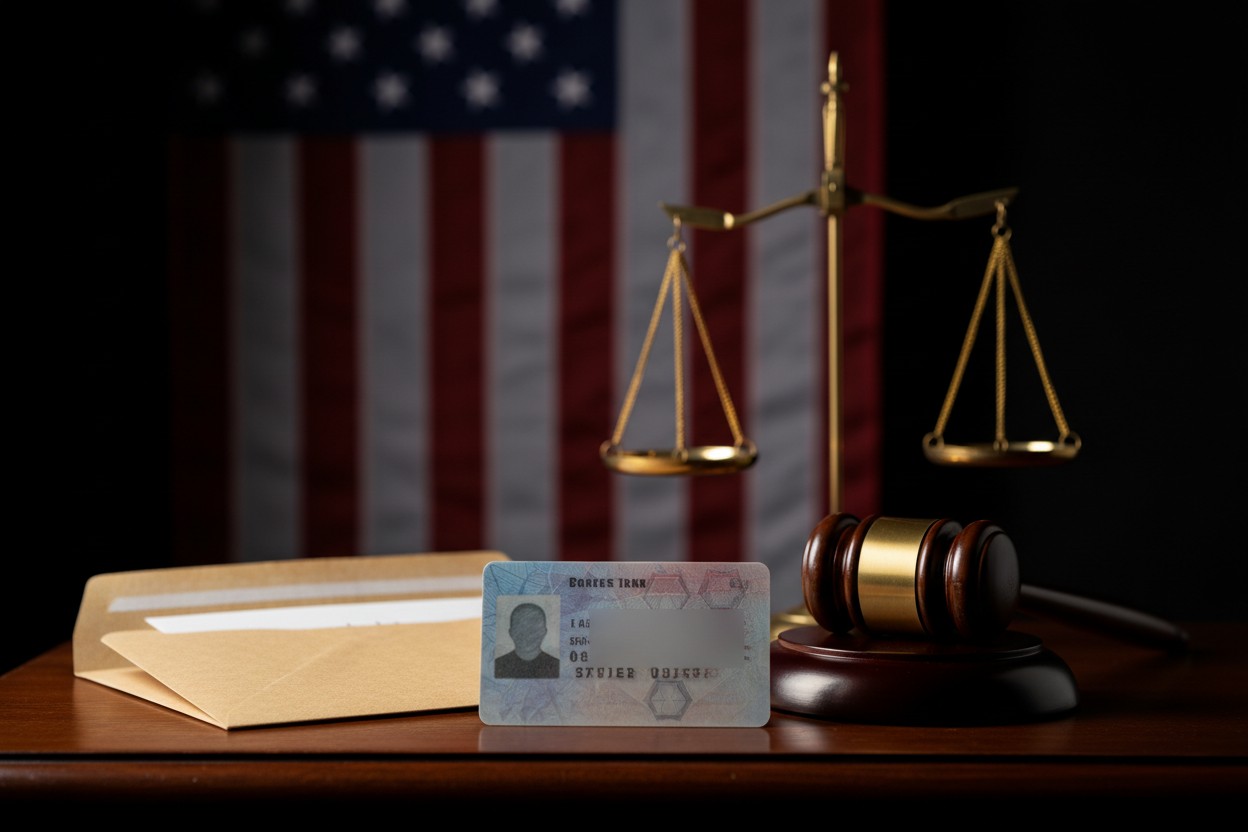
Provisions of the 2021 Texas Election Law
Under the restored provisions, voters applying for mail-in ballots must provide either a state-issued identification number, such as a driver's license number or an election identification certificate number, or the last four digits of their Social Security number, according to the appeals court [3]. The information must match state records, according to accounts of the litigation [2]. The law, known as S.B. 1, also requires anyone assisting a voter to sign an oath confirming they did not coerce the voter and to disclose their relationship to the voter, according to the National Pulse [4]. Election integrity became a major issue with Americans in the lead-up to the 2020 election, when the Wuhan coronavirus (COVID-19) pandemic prompted widespread changes to election procedures across the country, including loosened absentee voting restrictions [5]. Historical analyses have noted that while absentee balloting has doubled since 1980, overall voter turnout has not significantly increased [6]. Supporters of the Texas measure said the ID requirements are intended to prevent fraud and protect the integrity of elections, according to statements from state officials. Critics characterized the requirements as making participation more burdensome for elderly and disabled voters. The appeals court did not rule on those arguments, resolving the case on standing grounds instead.Legal History and Prior Ruling
A district judge had previously blocked the nine provisions after lawsuits over accessibility concerns were consolidated into a single case, and the Fifth Circuit reversed that ruling entirely, according to Just the News [1]. Standing requires a party to show a real stake in a case – that a law actually harms it or is likely to harm it in a specific way, that the harm comes from the law itself and that a victory in court would fix it, according to the Epoch Times [2]. The ruling follows a separate federal court decision in July that ordered the Department of Homeland Security to restore state access to the Systematic Alien Verification for Entitlements (SAVE) system's federal citizenship data, which states use to screen voter rolls, according to the National Pulse [4]. In August 2025, the Fifth Circuit in a unanimous ruling upheld a Texas law requiring voters using mail-in ballots to include a state-issued ID number or the last four digits of their Social Security number [3].Reactions to the Court's Decision
In a statement posted on X, Paxton wrote: "BREAKING VICTORY: I just secured a major win upholding election integrity and preventing voter fraud. My office will continue to defend Texas's critical laws safeguarding our elections." [4] No immediate statement from civil rights groups or plaintiffs was included in the available record. Legal analysts noted that the ruling addresses the plaintiffs' standing rather than the merits of the ID requirements. The case may proceed further if the plaintiffs seek a rehearing before the full Fifth Circuit or appeal to the U.S. Supreme Court, according to court procedures.Context and Broader Impact
The decision reinforces Texas's voter ID requirements for mail-in ballots and comes during a period of active election integrity litigation in multiple states. Texas officials have pursued related measures, including removing more than one million ineligible voters from the state's rolls over three years, among them over 6,500 non-citizens and 457,000 deceased individuals, according to an announcement from Gov. Greg Abbott [7]. In January, Abbott announced that the state had sent its voter rolls to the U.S. Department of Justice for auditing, with eligibility reviews planned across all 254 counties, according to the National Pulse [8]. Paxton's office has also conducted election fraud raids as part of a two-year investigation that includes allegations of ballot harvesting, according to the attorney general's office [9]. Other states, including Michigan, have advanced voter ID legislation in recent years [10]. The restored provisions will apply to future elections in Texas unless blocked again by a higher court. The court's ruling does not comment on the intent or effect of the law, leaving those questions for potential future proceedings.References
- Just the News. "Federal appeals court restores Texas' mail-in ballot ID requirements". August 13, 2026.
- The Epoch Times. "Federal Appeals Court Affirms Texas Limits on Mail Voting and Assistance". August 13, 2026.
- Laura Harris. "Federal Appeals Court Upholds Texas Voter ID Requirement for Mail-In Ballots". NaturalNews.com. August 7, 2025.
- The National Pulse. "Federal Appeals Court Restores Texas Mail-In Ballot ID Law." August 14, 2026.
- Trends-Journal-2022-09-25.
- Tracy Campbell. "Deliver the Vote".
- NaturalNews.com. "Texas PURGES one million ineligible voters from voter rolls including non citizens and dead people". August 30, 2024.
- The National Pulse. "Texas Is Sending Voter Data to the DOJ for Auditing." January 12, 2026.
- Cassie B. "Texas AG announces major election fraud raids after organization accused of registering noncitizens to vote". NaturalNews.com. August 25, 2024.
- NaturalNews.com. "Bill requiring voter ID passes in Michigan Senate". June 18, 2021.
Explainer Infographic



The AGI Ceiling: Why Frontier AI Labs Are Keeping Their Best Models Secret
By Mike Adams // Share
Anti-Surveillance Protests Escalate: Over 160 Flock Cameras Destroyed Across the U.S.
By Edison Reed // Share


Researchers: 152 Polymarket “Orca” Traders Likely Bet on Inside Military Information
By Sterling Ashworth // Share

Surveillance backlash: Cities ditch Flock license plate cameras amid privacy fears
By Cassie B. // Share

Labor Department Suspends Eight Companies From Green Card Program
By edisonreed // Share
Reuters/Ipsos Poll: Trump Voters Show Lower Enthusiasm for Midterm Elections
By garrisonvance // Share

Trump Pledge on Iran Strikes Fails to Soothe Oil Markets
By sterlingashworth // Share

AI Chip Stocks Fall After Report on OpenAI Revenue Shortfall
By sterlingashworth // Share

EPA Proposes Rollback of Methane Rules for Oil and Gas Industry
By ivagreene // Share

Review Links Insomnia to 26% Higher Relative Risk of Stroke
By morganverity // Share