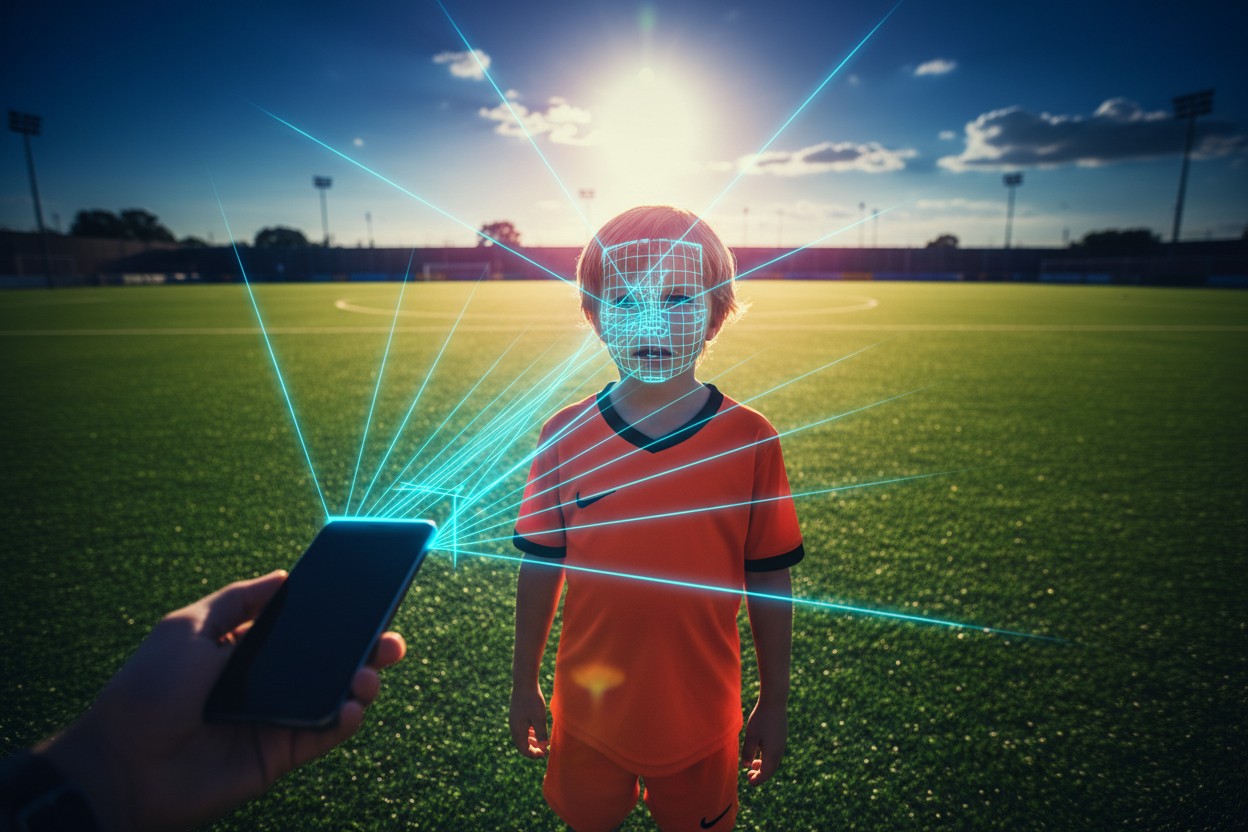
Digital ID and Biometric Systems in Youth Sports
According to the report, the digital ID systems used in youth sports verify child participants through methods including facial scans and fingerprints. The report identifies specific youth sports organizations and identity verification vendors involved in the systems and asserts that consent procedures are inadequate because parents are not fully informed about how collected data will be used, stored or shared. Registration processes direct families through third-party verification vendors that collect and retain biometric records, the report states. [1] Parents who objected to the Palm Beach County policy cited Aktivate's connection to Gates and Bezos, according to Children's Health Defense. [3] The district's reversal was announced after the Aug. 17 meeting, the organization reported. The episode drew attention to a broader pattern in which school districts contract with commercial platforms to handle student registration data, the report states. Event-based digital credentialing has expanded in other settings. Coverage of the 2024 Paris Olympics described venue access tied to QR-coded Games Pass credentials, with passes required for entry to transformed venues around the city. [5] The report and related commentary connect such credentialing to the normalization of identity verification in everyday settings, including school sports.Data Monetization and Privacy Concerns
The report alleges that data agreements underpinning youth sports registrations allow companies to profit from children's personal information. Privacy advocates quoted in the report compare the practice to broader digital surveillance and data brokerage trends, in which personal data is collected at scale and sold without meaningful oversight. Commentators covering the technology sector have described a data economy in which 'technocrats harvest data like communion' while recruiting young users. [9] The report contends that collected data may be retained indefinitely or shared with law enforcement, the report states. The allegations come as sports monitoring technology expands; a study of sport and wellness technology described devices that collect data on 'basic physical activity and exercise tracking,' with future applications envisioned in gamification and personalized digital coaching. The study noted that such monitoring tools are relatively simple today but are likely to become more sophisticated. [8] Parental concern over digital exposure among minors has increased. A survey of 1,005 parents published in JAMA Network Open found that twice as many parents cited concerns about internet addiction compared with substance addiction among their 9- to 15-year-old children. [4] Author Mark Bauerlein, whose 2009 book 'The Dumbest Generation' warned that the digital age 'stupefies young Americans,' revisited the same generation in a 2023 follow-up volume, arguing that early predictions about digital harms have become more pressing over time. [6]Responses and Legal Landscape
The leagues and vendors named in the report did not respond to requests for comment, the report states. Existing federal law, including the Children's Online Privacy Protection Act, does not necessarily cover all biometric data collected by private sports organizations, according to the report. The report states that federal rules written before the expansion of biometric technology leave gaps that leagues and vendors have used to collect and share data without direct parental authorization. Parents and advocacy groups are calling for state-level bans on biometric collection without parental consent, the report states. The Palm Beach County episode is cited by the report as an example of parents successfully blocking a data-collection mandate when they organized against it at the district level. [2] The county board's decision, announced after a single meeting, demonstrated that public opposition can reverse such policies, the report stated. Child development literature has questioned technological pressure on young people. Author Carl Honore, in 'Under Pressure: Putting the Child Back into Childhood,' noted that 'the evidence linking screen use to myopia is not conclusive,' and that research published in Pediatrics in 2006 found no link between television and ADHD. Honore wrote that researchers have concluded ADHD is a neurological condition that people are born with. [7]Recommendations
The report recommends that parents demand written consent before any biometric collection occurs and that they review registration forms for data-sharing provisions before signing, according to the report. The report also advises parents to ask which vendors will store the data, how long it will be retained, and whether it will be shared with third parties, and to file written objections when those details are not disclosed. The report urges regulators to treat children's biometric data as sensitive personal information and to enforce stricter penalties for unauthorized sharing. Without legal guardrails, the report concludes, the practice will expand. [1]References
- Children's Health Defense. "'No Guardrails': Youth Sports Leagues Mandating Digital IDs, Selling Kids' Biometrics for Profit". August 12, 2026.
- ChildrensHealthDefense.org. "School Board Backtracks After Parents Speak Out Against Submitting Student-Athlete Data to Gates-Linked Platform".
- ChildrensHealthDefense.org. "School Board Backtracks After Parents Speak Out Against Submitting Student-Athlete Data to Gates-Linked Platform". August 31, 2022.
- Mercola.com. "Parents Are Growing More Concerned About This". November 30, 2023.
- NaturalNews.com. "Are the Olympics a trial run for a 1984 digital state". August 04, 2024.
- NaturalNews.com. "From dumb to dangerous". August 10, 2023.
- Carl Honore. "Under pressure putting the child back into childhood".
- "Optimizing health monitoring systems with wireless technology".
- Aaron Day. "s2e36 Silicon Valley's Dark Enlightenment Coup". December 11, 2025.
Explainer Infographic


WHO pandemic alerts no longer require proof of illness, document states
By Willow Tohi // Share


Iran Threatens to Block Gulf Oil Exports if Region Cooperates with U.S. Plan
By Garrison Vance // Share

“UNBREAKABLE” on BrightU: Everyday exposures, cellular repair and chemical risks
By Belle Carter // Share

Honolulu Civil Beat Article Linking Hurricane to Climate Change Draws Criticism
By Garrison Vance // Share


Labor Department Suspends Eight Companies From Green Card Program
By edisonreed // Share
Reuters/Ipsos Poll: Trump Voters Show Lower Enthusiasm for Midterm Elections
By garrisonvance // Share

Trump Pledge on Iran Strikes Fails to Soothe Oil Markets
By sterlingashworth // Share

AI Chip Stocks Fall After Report on OpenAI Revenue Shortfall
By sterlingashworth // Share

EPA Proposes Rollback of Methane Rules for Oil and Gas Industry
By ivagreene // Share

Review Links Insomnia to 26% Higher Relative Risk of Stroke
By morganverity // Share