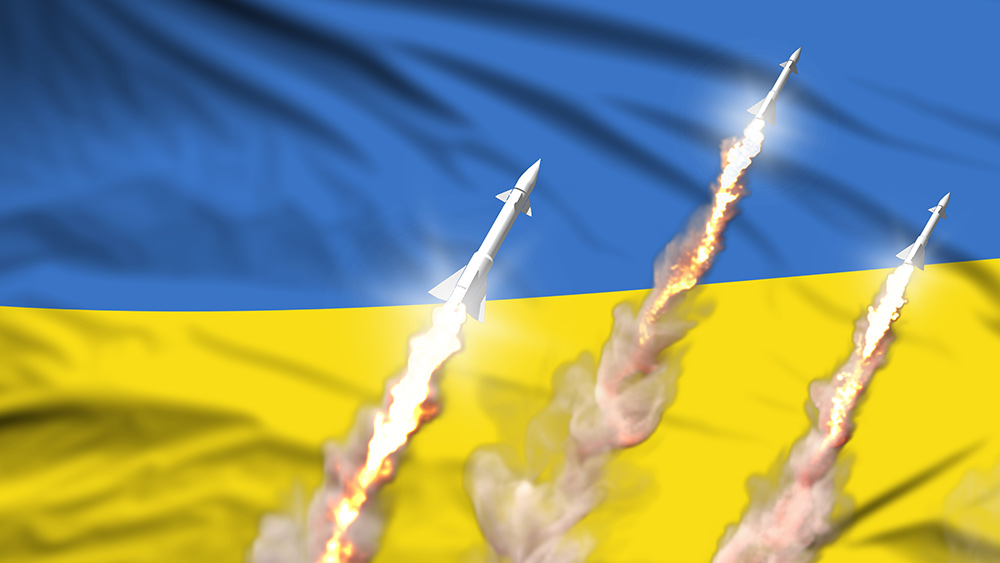
- Ukraine launched a massive drone and missile strike on Russia’s Black Sea port of Novorossiysk, damaging key grain export terminals and a naval base.
- The attack killed at least three people, including a child, and knocked out two of Russia’s largest grain terminals with a combined annual export capacity of over 15 million metric tons.
- The strike contradicts a reported agreement following Vice President JD Vance’s request that Ukraine avoid targeting infrastructure crucial to global energy markets.
- Russia’s grain lobby warned that sustained attacks could push up global prices and trigger hunger in Africa and the Middle East.
- Wheat futures rose roughly 3% on global markets, underscoring the geopolitical sensitivity of Black Sea supply chains.
A strategic gamble with global consequences
In a dramatic escalation of the Black Sea conflict, Ukrainian forces on Wednesday launched a massive combined drone, missile and underwater drone assault on Russia’s key southern port of Novorossiysk, inflicting severe damage on military and civilian infrastructure. The attack, which killed at least three people, including an eight-year-old child, has halted operations at two of Russia’s largest grain export terminals, raising fears of new global food supply disruptions. The strike comes despite recent reports that Ukraine had agreed to avoid targeting critical oil and civilian logistics hubs at the urging of U.S. Vice President JD Vance, who warned of the destabilizing effect on global fuel markets. President Volodymyr Zelensky hailed the raid as a “unique operation” against Russia’s naval fleet, but the attack’s collateral damage has placed new strain on Washington’s efforts to manage the conflict’s broader economic fallout.The assault on Novorossiysk and its strategic implications
The overnight attack was one of the most consequential Ukrainian strikes on Russian soil since the opening phases of the war. The port of Novorossiysk is not only a central hub for Russian grain exports but also the de facto home of the Black Sea Fleet after its earlier withdrawal from Sevastopol. Ukrainian forces used aerial drones, missiles and unmanned surface vessels in a coordinated attempt to degrade Russian naval and commercial capacity in the region. Governor Veniamin Kondratyev of the Krasnodar region described the assault as “massive,” confirming that a state of emergency was declared in Novorossiysk. The damage extended beyond military targets, rupturing water mains and hitting residential buildings, educational facilities and at least four industrial enterprises. As a result of the strike, two major grain terminals—the Novorossiysk Grain Terminal and NKHP—have suspended operations. Together, they represent a substantial share of Russia’s wheat export capability, which leads the world in volume.A direct challenge to U.S. diplomatic efforts
The timing and target selection of the strike appear to contradict the spirit of a recent U.S.-brokered understanding. According to the Financial Times, Vice President Vance requested in late July that Ukraine suspend attacks on tankers and infrastructure tied to the Caspian Pipeline Consortium (CPC), which carries Kazakh crude and is partly owned by American oil majors Chevron and ExxonMobil. Ukraine reportedly agreed to spare CPC assets as long as they were not carrying Russian sanctioned cargo. However, the Novorossiysk strike, whether intentionally or as an operational side effect, threatens to destabilize the region once again, raising the risk of global energy price volatility. The White House has not yet issued a formal response to the attack, leaving observers to question whether Kyiv has tested the limits of its NATO benefactors or whether Washington will quietly reassert pressure behind closed doors. The attack follows Zelensky’s recent claim that Ukraine handed a proposal to end the conflict to U.S. negotiators, yet this strike suggests a continued willingness to escalate rather than de-escalate tensions.Global food security and economic fallout
The closure of the grain terminals carries immediate consequences for international agriculture markets. On Wednesday, Chicago wheat futures jumped approximately 3% on news of the attack, a clear signal that traders view the Black Sea corridor as a fragile artery for global food supply. Russia’s grain lobby had previously cautioned that persistent drone offensives could effectively shut down Russian exports via the Black Sea within weeks. The broader implication is particularly acute for Africa and the Middle East, which have become heavily reliant on Russian wheat imports in recent years. A sustained disruption could push prices higher and exacerbate food insecurity in regions already vulnerable to inflation and drought. The agricultural blockade has also decimated Ukrainian grain shipments, which fell 76% in the first two weeks of August compared to the same period last year, according to Ukraine’s agriculture ministry. While Russia’s capacity is damaged, Ukraine’s remains perilously constricted, leaving global markets with fewer affordable sources of supply.Historical context: The evolving battle for the Black Sea
The Novorossiysk attack underscores a long-running strategic shift in the war. At the outbreak of the full-scale invasion in February 2022, the Russian Black Sea Fleet relied heavily on its historic base in Sevastopol, Crimea. Repeated Ukrainian strikes, including the sinking of the flagship Moskva and subsequent hits on shore facilities, forced Moscow to relocate a significant portion of its fleet eastward to Novorossiysk. This port, however, is now exposed to a new generation of Ukrainian long-range drones and sea-borne attack craft operating directly off the Russian coast. The strike demonstrates that Ukraine has both the capability and the resolve to confront Russian naval power in its own waters, a development that reflects the growing sophistication of Kyiv’s weapons programs. Yet the collateral damage to commercial grain infrastructure highlights a grim reality: Russia and Ukraine remain intertwined in a war that directly threatens the world’s food supply, a factor that may weigh heavily on any negotiated settlement.Escalation as a double-edged sword
Wednesday’s attack on Novorossiysk marks another volatile chapter in a conflict that continues to ripple across global markets and diplomatic channels. For Ukraine, the strike represents a tactical victory against a key Russian naval hub and a demonstration of its ability to influence the war’s strategic landscape. However, the damage to civilian grain infrastructure and the defiance of U.S. counsel could strain relations with the very allies on whom Kyiv depends for military and economic survival. As Washington recalibrates its posture and Moscow retaliates against Ukrainian seaports, the Black Sea remains a flashpoint where military ambition and global poverty collide, leaving the international community watching for the next escalation. Sources for this article include: ZeroHedge.com TheMoscowTimes.com Reuters.com
Pakistan mediation offers narrow path as US-Iran tensions persist
By Willow Tohi // Share

Netanyahu alleges Iran attempted to kill one of his sons
By Cassie B. // Share

Iran Announces Discovery of Massive Offshore Gas Field Amid Ongoing U.S.-Israeli Threats
By Sterling Ashworth // Share
Russia’s UN envoy believes the nation is exposing Ukraine’s “Zelensky concentration camp”
By Lance D Johnson // Share

Taiwan Tech Production Hit by Chinese Germanium Export Restrictions, Insiders Say
By Edison Reed // Share

WHO pandemic alerts no longer require proof of illness, document states
By Willow Tohi // Share

Labor Department Suspends Eight Companies From Green Card Program
By edisonreed // Share

Reuters/Ipsos Poll: Trump Voters Show Lower Enthusiasm for Midterm Elections
By garrisonvance // Share

Trump Pledge on Iran Strikes Fails to Soothe Oil Markets
By sterlingashworth // Share

AI Chip Stocks Fall After Report on OpenAI Revenue Shortfall
By sterlingashworth // Share

EPA Proposes Rollback of Methane Rules for Oil and Gas Industry
By ivagreene // Share

Review Links Insomnia to 26% Higher Relative Risk of Stroke
By morganverity // Share