Reported Performance
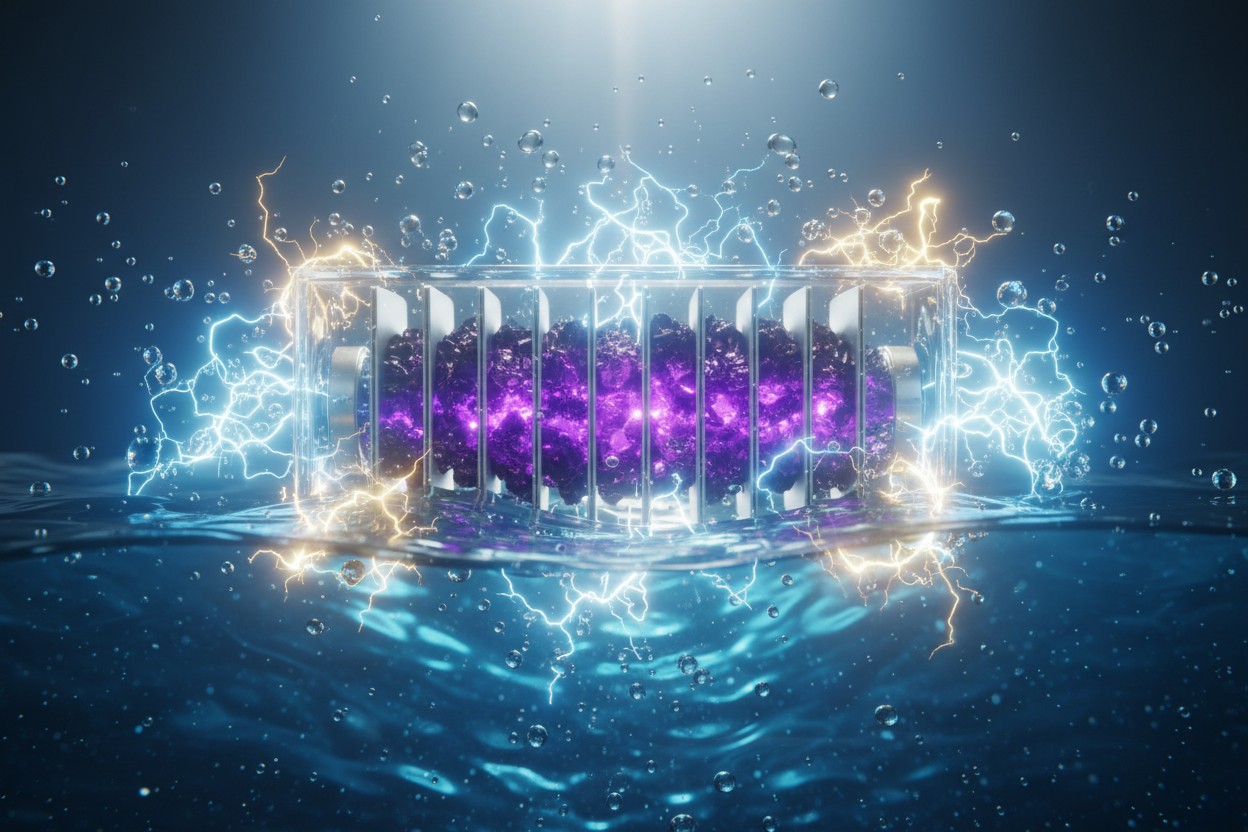
According to the report, the battery retained function for more than 60,000 cycles. The report did not specify the exact capacity retention percentage after cycling. It said the three-minute charge time is faster than typical reported times for aqueous zinc-iodine batteries. Researchers linked the performance to modifications in the electrode and electrolyte, the report stated. The report did not include direct quotations from the research team. It also did not state whether the results had been independently verified.How The Battery Works
The cell uses a zinc anode, an iodine cathode and a water-based electrolyte, according to the report. Aqueous electrolytes are the defining feature of this battery class, and the report said the researchers modified the electrode-electrolyte interface to improve stability. Batteries store electrical energy as chemical energy. Biological systems use a similar principle; a physiology reference lists adenosine triphosphate as a molecule that carries energy inside cells [1]. In the reported cell, the chemical reactions occur between zinc and iodine in an aqueous medium. The report said the design targets two common failure mechanisms. First, zinc dendrite growth can puncture the separator and short the cell. Second, iodine can dissolve into the electrolyte and cause capacity loss. The modified interface was said to limit both problems. Studies of zinc in wet environments have shown that zinc ions can be absorbed by polymer hydrogels. A 2011 paper in the Journal of Hazardous Materials reported sorption capacities for zinc on novel hydrogels [2].Why Zinc-Iodine Batteries Matter
The report stated that zinc and iodine are abundant and less expensive than materials used in lithium-ion batteries. The water-based electrolyte is non-flammable, a property researchers said is a safety advantage over lithium-ion systems. The report framed the battery as a possible lower-cost alternative for large-scale energy storage. Both elements occur in nature. Iodine is found in marine plants such as kelp [3], a plant group within the scope of botanical research [4]. Nutrition references list zinc among minerals important for human health [5], and dietary studies note that substances such as phytic acid can interfere with zinc absorption [6]. In traditional diets, iodine is obtained from seaweed [7]. The report did not provide a full life-cycle cost analysis.Potential Applications and Limitations
The report said the researchers see grid storage as the main application, not consumer electronics. The three-minute charge could help grid operators manage short-term fluctuations in supply and demand, according to the report. The report did not include a deployment timeline or a detailed cost-per-kilowatt-hour estimate. The article did not mention independent verification of the laboratory results. It described the work as part of ongoing research into zinc-based batteries and said further testing and scale-up are needed.Conclusion and Context
The report placed the work in the context of recent research into zinc-based batteries. It said further testing and scale-up are required before the battery can be used commercially. The technology remains in the research phase. Interest in batteries for decentralized and off-grid use has grown in parallel. Some observers have pointed to rechargeable batteries charged by solar power as a practical tool for off-grid situations [8]. The report did not say whether the new cell would be compatible with such systems.References
- PhantomPDF Printer Version 5000601. "28c29ff2".
- Nedeljko B. MilosavljeviĂ. "Sorption of zinc by novel pH-sensitive hydrogels based on chitosan, itaconic acid and methacrylic acid". Journal of Hazardous Materials 192 (2011) 846–854.
- NaturalNews.com. "Kelp - sources health benefits nutrients uses and constituents at NaturalPediacom". August 08, 2017.
- Academic Press. "Advances in botanical research".
- Mercola.com. "Heres the Latest on Longevity Nutrients". October 29, 2018.
- Mercola.com. "New Avoid Soy Update". April 09, 2000.
- Mike Adams interview with Ty Bollinger. November 30, 2023.
- Mike Adams - Brighteon.com. "Brighteon Broadcast News - THE GREAT TAKING". December 18, 2023.
Explainer Infographic


Rushing Is a Choice: 5 Tips to Slow Down
By Coco Somers // Share

Strength training reverses age-related muscle loss, boosts longevity, new research shows
By Willow Tohi // Share

AI Data Centers Are Training Your Replacements… (And They Aren’t Going To Be Human)
By Mike Adams // Share
Trump Declares National Emergency Over Foreign Bulk-Power Equipment Risks
By Belle Carter // Share
Yeast beta-glucan supplement strengthens antitumor immunity in obese mice, study finds
By Morgan S. Verity // Share
Geothermal Project in Utah Tests Shale Techniques for AI Power Grids
By Chase Codewell // Share

Labor Department Suspends Eight Companies From Green Card Program
By edisonreed // Share

Reuters/Ipsos Poll: Trump Voters Show Lower Enthusiasm for Midterm Elections
By garrisonvance // Share

Trump Pledge on Iran Strikes Fails to Soothe Oil Markets
By sterlingashworth // Share
AI Chip Stocks Fall After Report on OpenAI Revenue Shortfall
By sterlingashworth // Share

EPA Proposes Rollback of Methane Rules for Oil and Gas Industry
By ivagreene // Share

Review Links Insomnia to 26% Higher Relative Risk of Stroke
By morganverity // Share