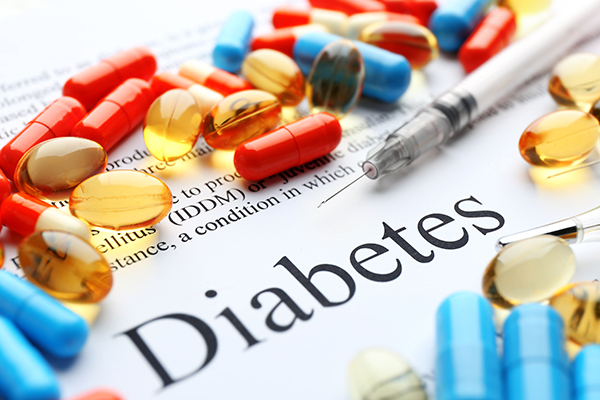
- Metformin may reduce key exercise benefits, blunting improvements in blood vessel function, aerobic fitness and blood sugar control that normally result from physical activity.
- The study found a direct conflict between the two treatments: Participants who exercised while taking metformin saw diminished gains in vascular insulin sensitivity—a critical process for healthy blood flow and sugar management—compared to those exercising with a placebo.
- Researchers theorize a cellular-level conflict: Metformin works by calming cellular stress, which may short-circuit the strengthening signals that exercise sends to the body's cells and mitochondria.
- The findings challenge long-standing clinical advice that assumed the combination of medication and exercise would provide cumulative, synergistic benefits for metabolic health.
- Experts stress this does not mean patients should stop either treatment, but rather highlights a need for more nuanced, personalized guidance on how to best prescribe and time these therapies together.
The broken equation of "one plus one"
For years, the clinical logic was straightforward and seemingly unassailable. Patients with elevated blood sugar were instructed to pair their metformin prescription with regular physical activity. The assumption was that two powerful, evidence-based interventions would deliver a cumulative, greater-than-the-sum-of-its-parts benefit. This new evidence, however, paints a far more complicated picture, indicating the math may not add up. Instead of synergy, metformin appears to interfere with the body’s normal, positive adaptations to training. "Most health care providers assume one plus one equals two," said lead author Steven Malin, a professor at Rutgers University. "The problem is that most evidence shows metformin blunts exercise benefits."The experiment: Testing a core assumption
To test this interaction, Malin's team recruited 72 adults at risk for metabolic syndrome, a cluster of conditions that raise the risk for full-blown diabetes and heart disease. Participants were divided into four groups over 16 weeks: those doing high-intensity exercise with a placebo pill, high-intensity exercise with metformin, low-intensity exercise with a placebo and low-intensity exercise with metformin. Researchers closely monitored changes in a key metric: vascular insulin sensitivity. This term refers to how well blood vessels respond to insulin by relaxing and widening. Healthy vessels dilate efficiently, allowing oxygen and nutrients to reach muscles and helping to clear sugar from the bloodstream after a meal. Impaired function is a hallmark of metabolic disease.Clear results, concerning implications
Participants who exercised while taking a placebo showed clear improvements. Their blood vessels became more sensitive to insulin, enhancing blood flow. They also saw reductions in systemic inflammation and fasting blood sugar levels, and their overall aerobic fitness increased. In the groups taking metformin, however, these gains were markedly diminished. The drug appeared to dull the exercise-induced enhancement of blood vessel function, regardless of whether the workout was high or low intensity. It also lessened improvements in fitness and blood sugar control. This creates a direct conflict in treatment goals. Exercise is prescribed to lower blood sugar and improve physical capacity. If a medication taken concurrently mutes those very effects, patients may be deprived of the full protective benefits they are working to achieve.Beyond the lab: Real-world risks
The implications extend beyond biochemical measurements. Gains in fitness translate directly to quality of life—the energy to climb stairs, play with grandchildren or maintain independence. If metformin stalls these improvements, long-term health risks could accumulate. The study notes this effect may not be limited to aerobic exercise; prior research suggests metformin might also inhibit the muscle-building benefits of resistance training. The reason for this interference may lie in a paradoxical biological conflict. Metformin works, in part, by mildly inhibiting the mitochondria—the power plants of the cell. This action reduces cellular stress and helps lower blood sugar. However, exercise works by stimulating these same mitochondria, prompting them to become more efficient and numerous as part of the body's adaptation to training. Researchers theorize that metformin's calming, inhibitory signal may essentially short-circuit the strengthening alarm that exercise sounds. The drug's primary mechanism, therefore, might inadvertently block the body's ability to fully respond to the physical stress of a workout.A call for nuance, not abandonment
Crucially, the researchers emphasize that these findings do not mean patients should stop taking metformin or exercising. Instead, the study sounds an alarm for more nuanced clinical guidance. It highlights an urgent need for doctors to carefully consider the timing and prescription of these twin therapies. Some evidence suggests that patients who have been on metformin long-term may still benefit from adding exercise later, as it provides a fresh stimulus to an adapted system. However, no studies have directly compared starting both together versus staggering the treatments. This research does not provide easy answers but poses critical questions. It calls for a more personalized approach to metabolic care and underscores that in medicine, even the most established protocols require continual scrutiny. The path forward, Malin said, demands more work to "figure out how to best prescribe these two proven therapies together." Big Pharma's toxic medications deplete critical vitamins and minerals from the body. Watch this video. This video is from the Health Ranger Report channel on Brighteon.com. Sources include: TheEpochTimes.com Rutgers.edu SciTechDaily.com BrightU.ai Brighteon.com
Prologium Begins Mass Production of Its Solid-State Battery in Taiwan
By Edison Reed // Share

Study Finds Low Muscle Strength Associated with Greater Infection Risk
By Petra Stone // Share

FBI Investigates Reported Sale of Millions of Driver’s Licenses on Dark Web
By Douglas Harrington // Share
Texas attorney general pushes to revive Pfizer lawsuit over vaccine efficacy claims
By Cassie B. // Share

The hidden cost of “slightly elevated” blood pressure in your 30s
By Willow Tohi // Share

Studies Link Thymus Health to Longevity, Disease Risk in Adults
By Morgan S. Verity // Share


Full-fat dairy reconsidered: New science challenges decades of dietary dogma
By willowt // Share

Hegseth Says Public Will Be Able to Watch Fort Hood Shooter's Execution by Firing Squad
By douglasharrington // Share

Trump Considering Suspending Federal Gas Tax as States Lower Fuel Levies
By sterlingashworth // Share

South Korea Ambassador to Kyiv Recalled Over Prisoner Transfer Dispute
By garrisonvance // Share

DHS Proposes $70,000 Fee for Foreign Students in Optional Practical Training
By douglasharrington // Share