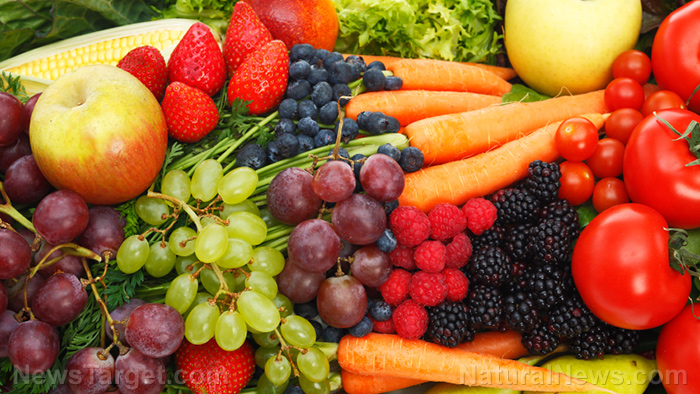
- Peels often contain significantly higher concentrations of vitamins, minerals and antioxidants than the flesh. Apple peels provide 332% more vitamin K, 142% more vitamin A and 115% more vitamin C than peeled apples. Potato skins hold 55% of iron, 34% of calcium and 17% of zinc.
- Up to one-third of a fruit or vegetable’s fiber is in the peel, aiding gut health and digestion (e.g., apple pectin, cucumber fiber).
- Peels can have up to 328 times more antioxidants than pulp, fighting inflammation and chronic disease (e.g., citrus limonene, eggplant nasunin).
- Examples of fruits best eaten unpeeled include apples (pectin, quercetin); citrus fruits (triple vitamin C, limonene); eggplant (brain-protective nasunin); kiwi (50% more fiber, folate, vitamin E); and watermelon rind (heart-healthy citrulline).
- Avoid toxic peels like those from mango (urushiol), pineapple (spiky) and avocado (bitter). Buy organic for "Dirty Dozen," scrub firm skins, use vinegar rinse for waxed produce. Prepare tough peels by blending/cooking (banana, watermelon rind) for easier digestion.
- Higher nutrient density – Peels often contain significantly more vitamins and minerals than the inner flesh. For example, apple peels provide 332% more vitamin K, 142% more vitamin A and 115% more vitamin C than peeled apples.
- Rich in fiber – Up to one-third of a fruit or vegetable's fiber is found in the peel, aiding digestion and gut health.
- Antioxidant powerhouses – Antioxidant levels can be up to 328 times higher in peels than in the pulp, helping combat inflammation and chronic disease.
- Apples: The peel contains pectin, a fiber that supports digestion and blood sugar regulation. Apple peels are also rich in quercetin, an antioxidant that reduces inflammation and supports immune health.
- Potatoes (and sweet potatoes): The skin holds 55% of the potato's iron, 34% of its calcium and 17% of its zinc. Baking potatoes with the skin intact preserves nutrients better than boiling.
- Citrus fruits (oranges, lemons and limes): Citrus peels contain triple the vitamin C of the inner fruit. They are also packed with limonene, a compound with anticancer and anti-inflammatory properties.
- Cucumbers: The peel provides most of the fiber, vitamin K and antioxidants like flavonoids. Store-bought cucumbers often have wax coatings, so wash them thoroughly with vinegar water.
- Eggplant: The purple skin contains nasunin, a potent antioxidant that protects brain cells. It is also rich in anthocyanins, which fight inflammation and oxidative stress.
- Kiwi: Eating the fuzzy skin boosts fiber by 50% and increases folate and vitamin E intake.
- Rubbing the skin with a towel reduces fuzziness for easier eating.
- Watermelon (Rind)
- The white rind is high in citrulline, an amino acid that improves circulation and heart health.
- Can be pickled, stir-fried, or blended into smoothies.
- Bananas
- Banana peels contain tryptophan, which enhances mood and sleep.
- Best blended into smoothies or cooked to soften texture.
Peel smart: Watch out for toxic skins
While many peels are edible and beneficial, some require extra care:- Mango – Contains urushiol, the same compound found in poison ivy, which can cause allergic reactions.
- Pineapple – Tough and spiky; best removed before eating.
- Avocado – The peel is bitter and fibrous; not typically consumed.
- Choose organic when possible, especially for the "Dirty Dozen" (apples, grapes, peaches, etc.).
- Wash thoroughly under running water and scrub firm skins (like potatoes) with a brush.
- Remove wax coatings on cucumbers and apples using a vinegar rinse.
- Cook or blend tougher peels (like banana or watermelon rind) for easier digestion.

Justice Department Expands Beef Price Investigation to Eight Major Grocers
By Sterling Ashworth // Share
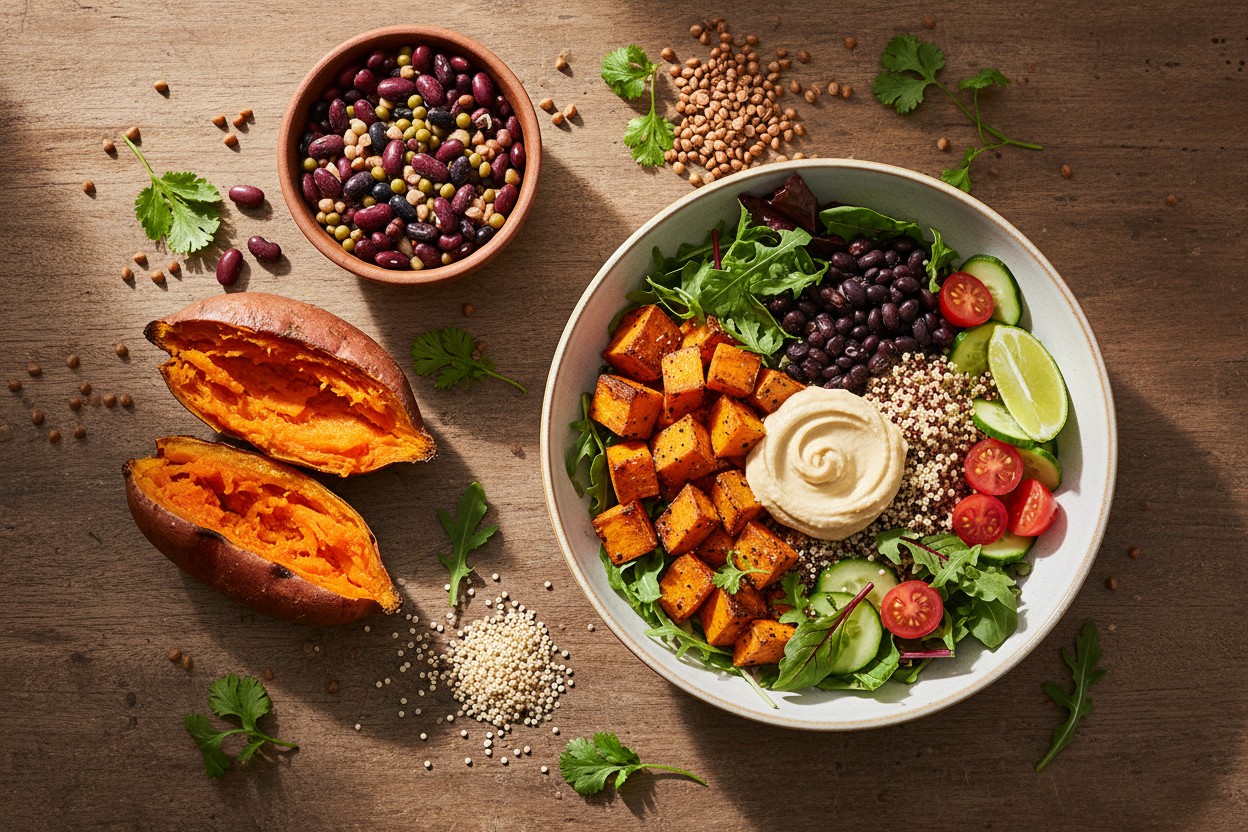
Whole-Food Carbohydrates May Reduce Inflammation, Nutritionists Say
By Coco Somers // Share

Ten-Minute Slow Run Boosts Focus and Mood, Small Study Finds
By Morgan S. Verity // Share

Strength Training at 70: What Research Shows About Late-Start Gains
By Petra Stone // Share

Study Finds Higher Daily Step Count Tied to Lower Death Risk, Independent of Walking Speed
By Morgan S. Verity // Share

Study Finds Low Muscle Strength Associated with Greater Infection Risk
By Petra Stone // Share


Full-fat dairy reconsidered: New science challenges decades of dietary dogma
By willowt // Share

Hegseth Says Public Will Be Able to Watch Fort Hood Shooter's Execution by Firing Squad
By douglasharrington // Share

Trump Considering Suspending Federal Gas Tax as States Lower Fuel Levies
By sterlingashworth // Share

South Korea Ambassador to Kyiv Recalled Over Prisoner Transfer Dispute
By garrisonvance // Share

DHS Proposes $70,000 Fee for Foreign Students in Optional Practical Training
By douglasharrington // Share