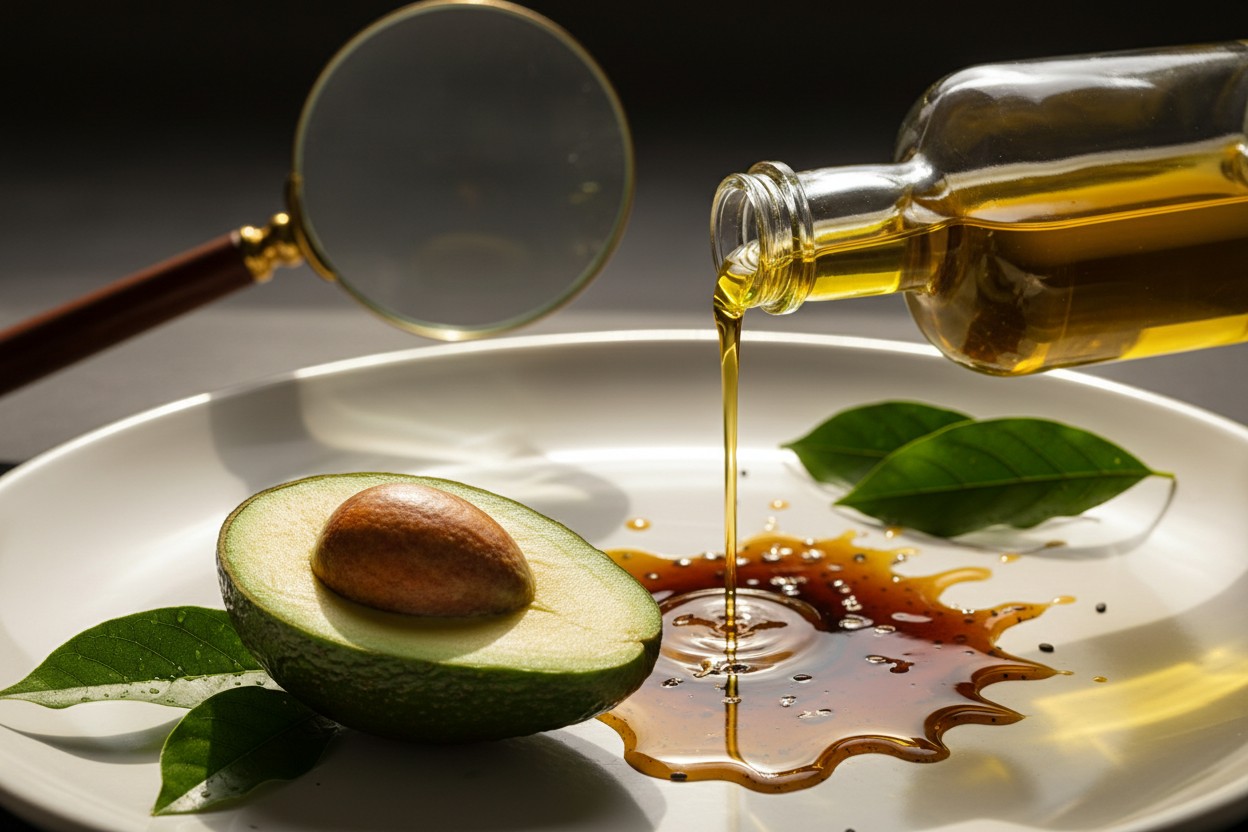
- Texas Attorney General Ken Paxton launched an industry-wide investigation into avocado oil products following evidence of widespread mislabeling.
- UC Davis researchers found 89% of 54 tested avocado oil-labeled processed foods contained cheaper, undisclosed seed oils.
- Products tested included chips (93% adulterated), mayonnaise (71%) and salad dressings (100%).
- The investigation targets Primal Kitchen, Siete Foods and Chosen Foods, with more companies expected to be named.
- Previous UC Davis research found 82% of bottled avocado oils were rancid or mixed with other oils.
The growing concern over America's favorite "healthy" oil
Avocado oil has become a kitchen staple for health-conscious Americans seeking alternatives to seed oils. But new evidence reveals a troubling reality: Many products labeled "made with avocado oil" contain little to no actual avocado oil at all. Texas Attorney General Ken Paxton announced an industry-wide investigation into companies marketing products as "made with avocado oil" following reports of undisclosed seed oils contaminating the supply chain. The investigation comes on the heels of a 2026 UC Davis study showing that 89% of 54 tested avocado oil-labeled products were adulterated with cheaper oils like soybean oil. The University of California, Davis research, published in the journal Applied Food Research, found that 93% of chip samples, 71% of mayonnaise samples and 100% of salad dressing samples contained seed oils not disclosed on ingredient labels. Researchers purchased products from online retailers and California stores between 2025 and 2026.A repeat offense: History of avocado oil deception
This is not the first time avocado oil authenticity has been called into question. A 2020 UC Davis study found that 82% of commercial bottled avocado oils were either rancid or mixed with other oils. A subsequent study revealed 70% of private label oils showed the same problems. The gap between avocado oil and olive oil authenticity is stark. When researchers applied the same purity tests to 20 olive oil-labeled processed foods, only one failed. This disparity reflects decades of scrutiny and regulation of olive oil, while avocado oil has remained largely unmonitored despite being a relatively new and expensive product category. The economic incentive for adulteration is clear. Avocados yield relatively little oil and are expensive to begin with, while seed oils cost significantly less. This price differential creates substantial profit opportunities for suppliers willing to cut corners.Chemical fingerprints reveal the truth
Researchers measure fatty acids and sterols, chemical compounds unique to each oil, to verify authenticity. One potential challenge was whether processing methods like deep frying or emulsifying could alter these chemical fingerprints. Wang's team tested this directly and found minimal changes. The study used conservative criteria, allowing a 10% margin of deviation to account for natural variables such as geographic origin and avocado variety. Despite this generous leeway, 89% of avocado products still failed the authenticity test.Supply chain accountability questions
Selina Wang, professor of Cooperative Extension at UC Davis and lead author of the study, indicated that brands whose products failed may not know they are using adulterated oil. Many food companies source oils from third-party brokers or multiple suppliers without rigorous testing. "If consumers are buying potato chips that say they're made with 100% avocado oil, that should be the product that they're getting," Wang noted. "I don't think there is enough accountability throughout the supply chain." The Texas Attorney General's office has issued Civil Investigative Demands to Primal Kitchen, Siete Foods and Chosen Foods, with more companies expected to be named. The investigation will determine if these companies violated the Texas Deceptive Trade Practices Act.The health halo problem
Consumers are drawn to avocado oil products at premium prices, often specifically seeking to avoid seed oils. However, nutrition experts note that while avocado oil is indeed healthy, evidence for its superiority is limited. Sarah Berry, professor of nutrition at King's College London, pointed out that while decades of research support the health benefits of extra virgin olive oil and most seed oils, direct evidence for avocado oil is lacking. The premium price consumers pay may not be justified by superior health benefits, and certainly not when they are not receiving the product they believe they are purchasing.Consumer protection and the path forward
The investigation by Texas authorities and ongoing research at UC Davis signal a growing awareness of avocado oil fraud. For consumers, the message is clear: labels may not always tell the truth about what is in their food. The outcome of this investigation could reshape the avocado oil industry, creating accountability throughout the supply chain and protecting consumers who pay premium prices expecting authentic products. As Attorney General Paxton stated, "Consumers should not have to worry if they are being deceived by labels when trying to choose healthier options at the grocery store." For now, consumers should be aware that products labeled "made with avocado oil" may contain undisclosed seed oils. Those seeking trustworthy options may want to consider alternatives with established track records of purity, such as extra virgin olive oil, until the industry addresses these widespread authenticity problems. Sources for this article include: TexasAttorneyGeneral.gov NPR.org UCDavis.edu
Hormonal imbalance: The hidden dangers of synthetic estrogen and the case for natural solutions
By Patrick Lewis // Share

Trump Family’s Crypto Bank Gains OCC Approval with Sheikh al Nahyan as Largest Shareholder
By Sterling Ashworth // Share

Study: Prenatal Fluoride Exposure Tied to Lower Cognitive Test Scores
By Morgan S. Verity // Share

Study: Screens are corroding teens’ belief in a healthy life
By Ava Grace // Share



Full-fat dairy reconsidered: New science challenges decades of dietary dogma
By willowt // Share

Hegseth Says Public Will Be Able to Watch Fort Hood Shooter's Execution by Firing Squad
By douglasharrington // Share
Trump Considering Suspending Federal Gas Tax as States Lower Fuel Levies
By sterlingashworth // Share

South Korea Ambassador to Kyiv Recalled Over Prisoner Transfer Dispute
By garrisonvance // Share

DHS Proposes $70,000 Fee for Foreign Students in Optional Practical Training
By douglasharrington // Share