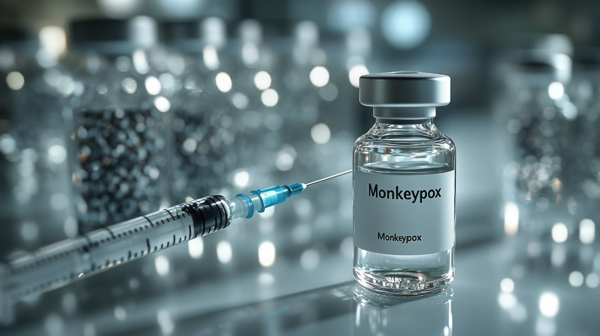
- Two NIH researchers were indicted for smuggling 113 biological samples including mpox DNA from the Republic of Congo into the United States.
- The scientists allegedly lied to customs officers about carrying diagnostic kits, when vials containing monkeypox, chickenpox, and human DNA were found.
- Congress and Montana Senator Tim Sheehy are demanding investigations into NIH biosecurity and lab oversight at Rocky Mountain Laboratories.
- Observers say the case reveals systemic deceit in virology research under former leadership, calling the smuggling premeditated and illegal.
- If convicted, the researchers face up to five years in prison, fueling doubts about federal oversight of dangerous pathogen handling.
Scientists allegedly lied about contents of black plastic case
According to court documents, Munster and Kwe arrived at Detroit Metropolitan Airport's McNamara Terminal on January 25 carrying a large black plastic case. When CBP officers questioned them about its contents, Munster told them it contained "test kits," "assays" and "diagnostic reaction reagents," while Kwe said it held "diagnostics." Prosecutors allege those statements were false. A subsequent inspection revealed 113 sealed laboratory vials packed inside styrofoam coolers. When asked for required documentation, Munster allegedly told officers, "Yes yes, it's all in my laptop, but you won't need them. I do this all the time." The FBI tested 20 of the vials and found that 17 contained deactivated monkeypox virus, one contained chickenpox virus, and two contained human DNA. The contents of the remaining vials have not been publicly disclosed. Prosecutors say the researchers were well aware such materials cannot simply be carried through customs — the samples required specific federal approval and paperwork before ever boarding a commercial flight, and had to be formally declared on arrival.Lawmakers demand answers on lab oversight
Congress is now asking questions. The House Committee on Energy and Commerce sent NIH Director Dr. Jay Bhattacharya a letter on June 16 pressing for details on what Munster and Kwe were doing, how the samples got here, and whether NIH leadership knew about or approved the trip in the first place. Montana Republican Sen. Tim Sheehy is calling for a separate probe into how Rocky Mountain Laboratories vets and manages its staff, citing a whistleblower complaint that raised two prior safety lapses at the facility involving the Crimean-Congo hemorrhagic fever virus — a monkey bite and a tear in a researcher's protective suit. NIH has confirmed both incidents took place. NIH says it locked down the lab as soon as it learned of the airport incident in January, and put its usual safety protocols into effect. "NIH also took appropriate personnel actions and took all relevant steps to confirm that there was no risk at any time to staff or the public," an agency spokesperson said.Case adds to scrutiny of Fauci-era virology research
Observers say the case highlights what they describe as systemic problems in virology research. Dr. Richard Ebright, a molecular biologist at Rutgers University, said the allegations reflect a long-term pattern of deceit that has become "pervasive in virology" after decades of leadership under Dr. Anthony Fauci. Journalist Paul D. Thacker of The Disinformation Chronicle noted the planning involved: "We now know that this illegal smuggling of viruses was premeditated, not a last-minute bad decision." U.S. Attorney Jerome F. Gorgon Jr. said: "These NIH experts apparently broke our laws by smuggling viral pathogens on a packed commercial airplane from an outbreak in the Republic of Congo. Let that sink in." Munster's arraignment is set for September 2, while Kwe was due in court August 26. Munster's attorneys have not responded to requests for comment. Kwe's lawyer, Benton Martin, said his client "is presumed innocent at this stage, and we will await future proceedings before commenting further." If convicted, both researchers face up to five years in prison, and prosecutors could seek forfeiture of any property tied to the alleged scheme. Coming from an agency that spent years assuring the public it had gain-of-function research under control, the case is likely to fuel further doubts about how closely Washington is really watching the people handling the world's most dangerous pathogens. Sources for this article include: ChildrensHealthDefense.org TheGuardian.com CBSNews.com
Study: Prenatal Fluoride Exposure Tied to Lower Cognitive Test Scores
By Morgan S. Verity // Share

Study: Screens are corroding teens’ belief in a healthy life
By Ava Grace // Share



Prolonged Sitting Linked to 9% Higher Cancer Death Risk per Hour, Study Finds
By Morgan S. Verity // Share

Persistent Financial Hardship Linked to Faster Cognitive Decline, Study Finds
By Douglas Harrington // Share


Full-fat dairy reconsidered: New science challenges decades of dietary dogma
By willowt // Share
Hegseth Says Public Will Be Able to Watch Fort Hood Shooter's Execution by Firing Squad
By douglasharrington // Share

Trump Considering Suspending Federal Gas Tax as States Lower Fuel Levies
By sterlingashworth // Share

South Korea Ambassador to Kyiv Recalled Over Prisoner Transfer Dispute
By garrisonvance // Share

DHS Proposes $70,000 Fee for Foreign Students in Optional Practical Training
By douglasharrington // Share