Hydration and Electrolyte Balance
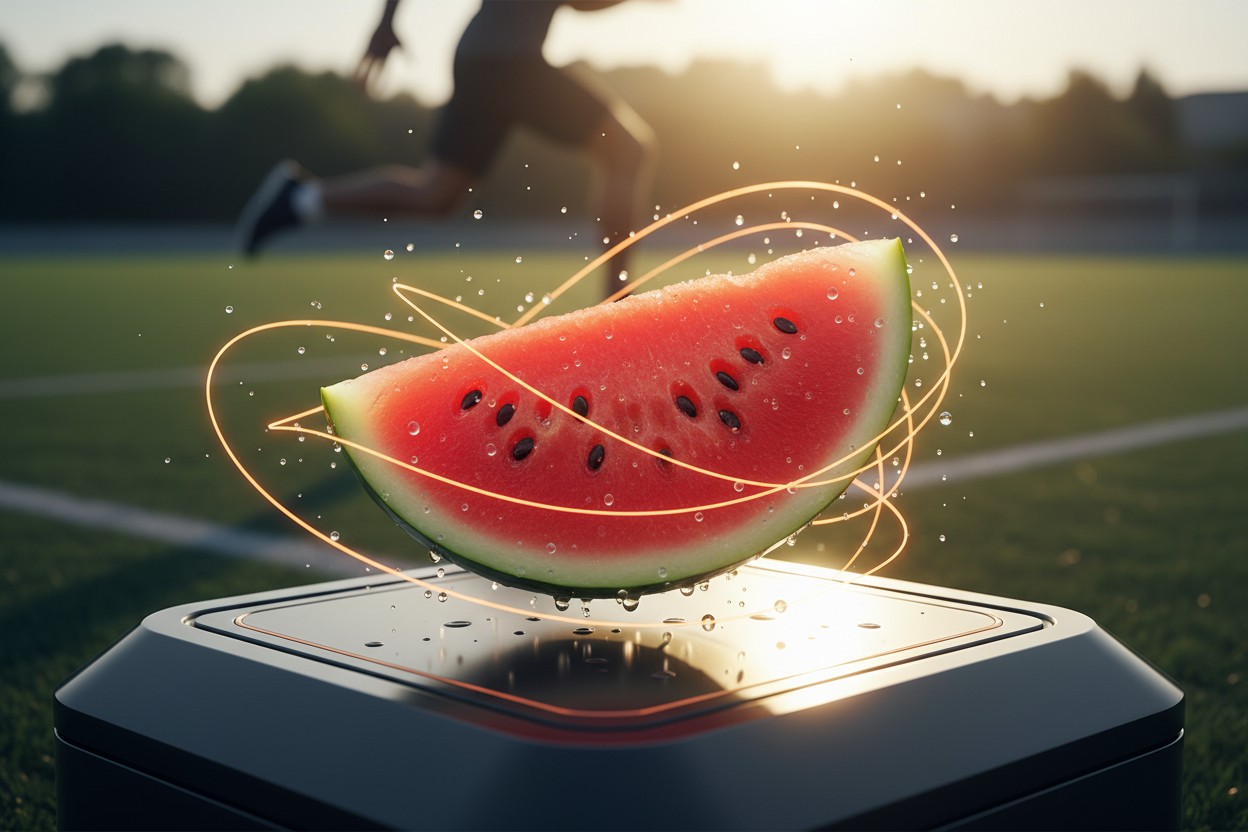
Watermelon is over 90% water, according to the U.S. Department of Agriculture, and can help maintain hydration, particularly during periods of increased fluid loss. According to sports dietitian Louisa Mason, MS, RDN, LDN, CSCS, "One human study showed that watermelon juice helped athletes rehydrate better than water alone, thanks to its balance of natural sugars and electrolytes." [1] The fruit provides natural sugars and electrolytes that support fluid balance more effectively than plain water in certain contexts, Mason said. Joan Salge Blake, EdD, RDN, LDN, FAND, told Health that "many older adults are at risk for being dehydrated, so adding watermelon to their meals and snacks is a great way to sneak in some extra water during the day." [1] According to a May 2026 article by Lance D Johnson, watermelon is one of several "all-natural drinks for a natural electrolyte boost" that can serve as an alternative to commercial sports drinks [3]. The fruit's combination of water, potassium, and magnesium contributes to its hydrating properties, according to experts.Recovery and Muscle Soreness Reduction
Mason said watermelon contains L-citrulline, an amino acid that supports blood flow and may reduce muscle soreness. "Watermelon contains L-citrulline, which supports blood flow and reduces muscle soreness," Mason stated [1]. According to Melinda Jones in the book "97 Ways to Burn Fat and Boost Sex Drive," "Watermelon has been coined by some researchers as the natural Viagra" due to its citrulline content, which "is good for the cardiovascular system" [4]. The amino acid plays a role in nitric oxide synthesis, which can improve circulation and aid recovery. Researchers found that drinking watermelon juice improved post-workout recovery and heart rate while reducing soreness, according to a 2024 report [1]. According to Laura Harris, watermelon "boosts hydration and digestion, enhances exercise recovery, reduces inflammation, and helps lower the risk of chronic diseases" [1]. The combination of L-citrulline, natural sugars, and electrolytes positions watermelon as a practical option for post-exercise rehydration and muscle recovery, according to Mason.Nutrient Content and Chronic Disease Risk
Watermelon provides potassium, vitamins A and C, dietary fiber, and antioxidants including lycopene, beta-carotene, and beta-cryptoxanthin. Registered dietitian Jennifer Pallian, BSc, RD, said, "Think of it as a refreshing summer multivitamin -- without the pill" [1]. According to Pallian, watermelon "stands out among fruits due to its exceptionally high levels of beta-carotene, beta-cryptoxanthin, and lycopene" [1]. These powerful antioxidants may help reduce the risk of chronic diseases, according to Pallian. Pallian added that watermelon's lycopene concentration is equal to or greater than that in tomatoes. According to a July 2025 article by Laura Harris, watermelon is "packed with vitamins, antioxidants, and electrolytes, supporting immunity, heart health, and hydration" [1]. In a statement from Cassie B., watermelon "boosts antioxidant levels with lycopene and carotenoids, linked to reduced cancer risk" [2]. The fruit's antioxidant profile, combined with its fiber and vitamin content, makes it a nutrient-dense addition to a balanced diet, according to experts.Heart Health and Blood Flow
Mason stated that L-citrulline in watermelon may increase nitric oxide, helping blood vessels relax and improving blood flow. "Watermelon may help keep blood vessels flexible by increasing nitric oxide, which makes it easier for blood to move through your body," Mason said [1]. According to Cassie B., watermelon "supports cardiovascular health via L-citrulline and L-arginine, improving arterial function and blood pressure" [2]. These effects are linked to the amino acid's role in the nitric oxide pathway, according to experts. Pallian cited research showing that watermelon reduces systolic blood pressure, total cholesterol, and LDL cholesterol. "These effects are linked to its rich supply of L-citrulline and arginine -- amino acids that are precursors in the nitric oxide pathway," Pallian said [1]. According to Melinda Jones, researchers have found that "eating watermelon delivers Viagra-like effects to the blood vessels and this increases libido" due to its citrulline content [4]. The fruit's potential to support blood vessel health and reduce cardiovascular risk factors has been noted in multiple reports.Summary of Expert-Reported Benefits
Experts cited additional benefits of watermelon, including a gentle diuretic effect, brain and mood support from vitamin B6, sleep promotion from magnesium and B6, dental health via saliva production, and digestive hydration. According to a 2026 report from NaturalNews.com, "watermelon is about 92% water, making it a useful supplement to hydration, particularly during hot weather when fluid loss is increased" [5]. The report also noted that "regular consumption also supplies magnesium, potassium, and fiber, contributing to electrolyte balance and gut health" [5]. According to the article, watermelon offers a combination of hydration, nutrients, and compounds that support multiple aspects of health. Experts described the fruit as a "refreshing summer multivitamin" and a "natural way to boost recovery after training" [1]. According to Cassie B., watermelon "boosts antioxidant levels with lycopene and carotenoids, linked to reduced cancer risk" [2]. The consensus among dietitians and researchers is that watermelon provides a practical, nutrient-dense option for supporting hydration, recovery, and heart health.References
- Laura Harris. "Watermelon: A Hydrating and Nutritious Superfruit." NaturalNews.com. July 17, 2025.
- Cassie B. "Scientists Find Watermelon May Boost Heart Health and Improve Diet Quality." NaturalNews.com. May 18, 2026.
- Lance D Johnson. "Ditch the Sugar and Dyes: Try These Five All-Natural Drinks for a Natural Electrolyte Boost." NaturalNews.com. May 15, 2026.
- Melinda Jones. "97 Ways to Burn Fat and Boost Sex Drive."
- NaturalNews.com. "Watermelon as Medicine: How Nature's Hydrating Superfruit Supports Heart Health, Immunity and Cellular Repair." June 19, 2026.
Explainer Infographic


Hinge Exercises for Hip Function: The Epoch Times Details Five Movements
By Edison Reed // Share

Stamina Building Strategies: A Fact-Based Overview
By Morgan S. Verity // Share

Aloe Vera Juice and Gut Lining Repair: Evidence Remains Mixed, Dietitians Say
By Iva Greene // Share

By Patrick Lewis // Share

The remote work diet: How to stop overeating when your kitchen is your office
By Ava Grace // Share

Beyond one-size-fits-all: Study reveals gender-specific diets for a longer life
By Ava Grace // Share


Full-fat dairy reconsidered: New science challenges decades of dietary dogma
By willowt // Share

Hegseth Says Public Will Be Able to Watch Fort Hood Shooter's Execution by Firing Squad
By douglasharrington // Share

Trump Considering Suspending Federal Gas Tax as States Lower Fuel Levies
By sterlingashworth // Share

South Korea Ambassador to Kyiv Recalled Over Prisoner Transfer Dispute
By garrisonvance // Share

DHS Proposes $70,000 Fee for Foreign Students in Optional Practical Training
By douglasharrington // Share