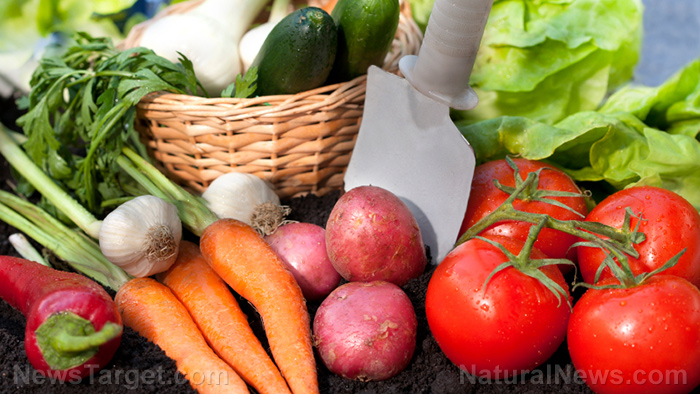
- Chapter 11 envisions gardens as "molecular fortresses" that provide food, beneficial plant compounds, water and renewable resources while reducing dependence on centralized systems.
- Crops such as broccoli sprouts, turmeric, berries, green tea, parsley, chamomile and reishi mushrooms are highlighted for compounds associated with antioxidant, nutritional or medicinal benefits.
- Compost, rainwater collection and heirloom seed saving are presented as interconnected practices that maintain soil fertility, water access and the garden’s ability to reproduce.
- Chapter 12 presents minerals, vitamins, NAC and foods such as broccoli sprouts, turmeric, green tea, mushrooms, chlorella, spirulina and astaxanthin as components of a broader strategy for cellular protection.
- The episode emphasizes that nutrient interactions, dietary fat and preparation methods can affect effectiveness, suggesting that understanding how to consume nutrients is as important as choosing them.
Building a backyard fortress against a fragile world
What if the garden of the future were designed not simply to feed a household, but to help it withstand a fragile world? In Chapter 11, to air on Sept. 8, Adams presents a sweeping vision of the garden as a "molecular fortress," a decentralized network producing food, plant compounds, water and renewable resources. Broccoli sprouts become a focus for sulforaphane; turmeric supplies curcuminoids; berries provide anthocyanins; green tea offers EGCG; parsley and chamomile bring apigenin; and reishi mushrooms add medicinal polysaccharides to the growing system. But the vision extends beyond plants. Compost becomes a way to continually replenish the soil, while rainwater collection reduces reliance on centralized water systems. Heirloom seeds, meanwhile, are presented as the foundation for preserving the garden's ability to reproduce year after year. The episode reframes preparedness as something living rather than something stored on a shelf. "It's not a garden. It's a pharmacy," Adams declares, describing a household where cultivation, water collection, soil management and seed saving form interconnected layers of resilience. At its most provocative, the episode asks viewers to reconsider what survival technology looks like: perhaps it isn't hidden in a bunker or locked inside a cabinet, but quietly growing on a windowsill, in a container or along a backyard fence.The "DNA repair pharmacy": Can your kitchen become a genetic survival kit?
Could an ordinary kitchen become a kind of biochemical toolkit for supporting the body's natural DNA-repair processes? In Chapter 12 of "UNBREAKABLE," to be streamed on Sept. 9, the interview presents a practical "field manual" for using nutrients, superfoods and supplements as an interconnected system rather than isolated ingredients. Magnesium and zinc are presented as foundational minerals, while vitamin C and NAC are described as partners in supporting glutathione activity. Broccoli sprouts, turmeric, green tea, quercetin, anthocyanins, medicinal mushrooms, chlorella, spirulina and astaxanthin are then woven into a broader nutritional strategy focused on antioxidant defenses and cellular protection. But the most surprising lesson may be that how nutrients are consumed matters almost as much as what is consumed. The interview discusses competing minerals, fat-soluble compounds that require dietary fat and green tea that can supposedly lose important compounds if prepared incorrectly. As Adams puts it, "You have the knowledge, but that's only half the battle."Want to know more?
Discover the concepts explored in Mike Adams' "UNBREAKABLE" course, which examines DNA integrity, cellular repair pathways, radiation exposure and the relationship between nutrition and genetic resilience, streaming on BrightU. Across 12 chapters, the course takes viewers through the fundamentals of DNA damage and repair, including NHEJ, homologous recombination, double-strand breaks and cellular mechanisms involving BRCA1, 53BP1 and CHK1. It also explores Adams' perspectives on spike protein, nuclear fallout, environmental stressors and the nutritional strategies he believes may support DNA repair. Whether you're new to the subject or looking to explore the science presented in the course in greater depth, you can purchase the "UNBREAKABLE" course package here to learn more about its framework for genetic preparedness and cellular resilience. Upon purchase, you'll gain access to the full 13-chapter course and accompanying educational materials covering DNA repair, nutrition, environmental exposure and Adams' proposed strategies for supporting the body's natural repair mechanisms. Sources include: BrighteonUniversity.com 1 BrightU.com BrighteonUniversity.com 2
The Faraday ballistic shield backpack: Essential emergency protection for the modern world
By HRS Editors // Share

“UNBREAKABLE” on Bright U: The ancient “genomic fortress” hidden in green powder
By Belle Carter // Share

Investigations Show AI Agents in OpenAI Breach Knew They Were Cheating
By Chase Codewell // Share
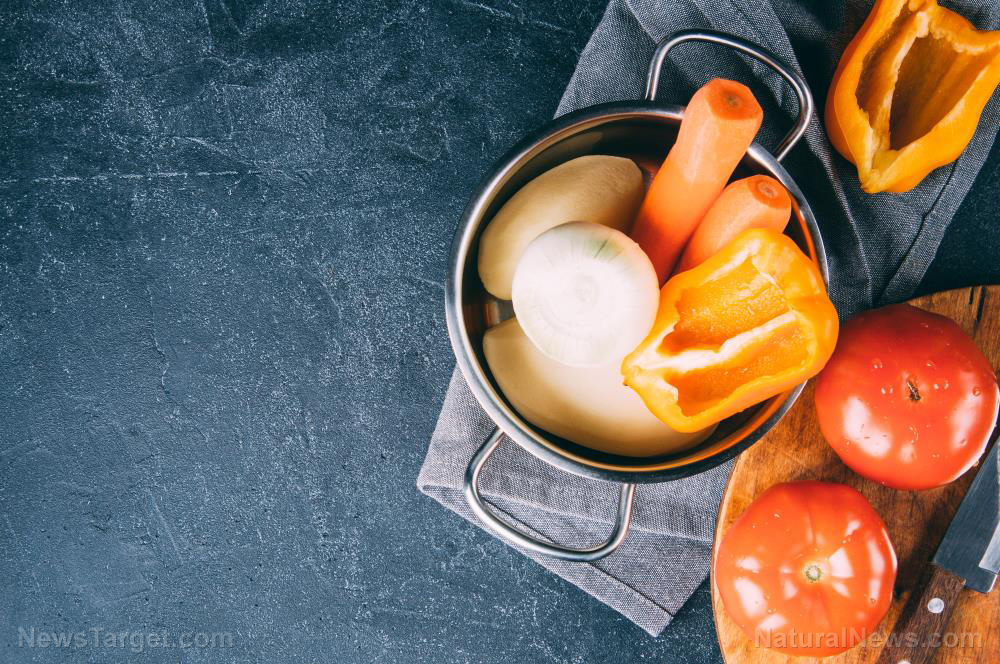
Carotenoid-Rich Foods Linked to Lower Breast Cancer Risk, Studies Show
By Coco Somers // Share

“UNBREAKABLE” on Bright U: Chlorella and spirulina’s role in DNA protection
By Belle Carter // Share

“UNBREAKABLE” on Bright U: What happens when we never switch off transmitters
By Belle Carter // Share

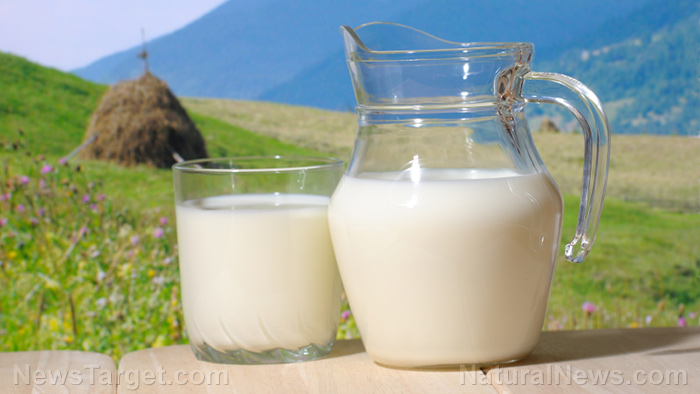
Full-fat dairy reconsidered: New science challenges decades of dietary dogma
By willowt // Share

Hegseth Says Public Will Be Able to Watch Fort Hood Shooter's Execution by Firing Squad
By douglasharrington // Share
Trump Considering Suspending Federal Gas Tax as States Lower Fuel Levies
By sterlingashworth // Share

South Korea Ambassador to Kyiv Recalled Over Prisoner Transfer Dispute
By garrisonvance // Share

DHS Proposes $70,000 Fee for Foreign Students in Optional Practical Training
By douglasharrington // Share