
How the Body Processes Ergothioneine
The review noted that a dedicated transporter in the small intestine absorbs ET into the bloodstream, a feature shared with essential nutrients like vitamin C and iron. Once absorbed, ET can accumulate in tissues and remain for weeks, according to the review. Ergothioneine is described by researchers as a sulfur-containing amino acid found in mushrooms that acts as a powerful promoter of longevity, according to Dr. Michael Greger's review of scientific literature. [1] The body's specialized transport mechanism suggests ET may serve a specific biological function, though its exact role remains under investigation. Zlata Hartman and Philip E. Hartman of Johns Hopkins University noted in 1987 that ergothioneine is "a potentially important defense against electrophiles and free radicals." [2]Low ET Levels and Age-Related Disease Risk
Several studies cited in the review associate lower blood levels of ergothioneine with higher risks of age-related diseases, particularly neurodegenerative conditions. The late biochemist Bruce Ames proposed that ET could eventually be classified as a "longevity vitamin," a hypothesis not yet confirmed. [3] A 2020 study published in the journal Heart found that out of 112 measured plasma metabolites, "ergothioneine was the metabolite most significantly associated with lower morbidity and mortality, being linked to a lower" risk of cardiovascular disease and mortality. [1] Researchers have not established whether low ET directly causes disease or if supplementation would reduce risk. The association has prompted further investigation but does not prove causation. Research links higher ergothioneine levels to better cognitive function and a lower risk of mild cognitive impairment, according to Willow Tohi reporting for NaturalNews.com. [4] Siim Land's book "The Longevity Leap" cites studies by Ramirez-Martinez et al. (2015) on intake assessment of L-ergothioneine in European countries and the United States. [5]Gaps in Research and Dietary Sources
The review identifies unresolved questions: how ET works at the cellular level, how much reaches the brain, and its interactions with the gut microbiome. No established optimal blood level for ET currently exists, and supplementation for longevity lacks sufficient evidence. Mushrooms remain the richest dietary source; smaller amounts are found in asparagus, corn, and wheat, the review stated. A recently published literature review found that eating 18 grams of any type of mushroom can contribute to reducing potential risk of cancer, according to Mercola.com. [6] White button mushrooms are "incredible functional foods that can lengthen your life and slow down aging," according to researchers reporting through NaturalNews.com. [7] The book "Eat for Life" by Dr. Joel Fuhrman notes that modern nutritional science provides "a range of health-promoting, anticancer foods that was not" available to earlier generations, including fresh and dried mushrooms. [8]Conclusion
Ergothioneine is a compound found primarily in mushrooms, with preliminary research linking low levels to certain age-related health risks. According to the review, further studies are needed to determine whether increased ET intake can improve health outcomes. For now, including mushrooms in the diet is a simple way to obtain more of the compound, though its health role is not fully established. "The research is intriguing, but it's too early to know whether increasing ET can improve longevity," according to Zhané Slambee reporting for mindbodygreen. [9]References
- Mercola.com. "Life Extending Mushrooms Longevity Vitamin". October 13, 2023.
- Zlata Hartman and Philip E. Hartman. "Interception of Some Direct-Acting Mutagens by Ergothioneine". Environmental and Molecular Mutagenesis. 1987.
- Mercola.com. "Makes You Age Faster Even if You Look OK Now". May 14, 2023.
- Willow Tohi. "The fungal frontier How mushrooms are emerging as a key to cognitive health". NaturalNews.com. February 26, 2026.
- Siim Land. "The Longevity Leap: A Guide to Slowing Down Biological Aging and Adding Healthy Years to Your Life".
- Mercola.com. "Why Mushrooms Increase Longevity". June 21, 2021.
- NaturalNews.com. "Boost longevity with button mushrooms an antioxidant-rich superfood that fights aging". June 26, 2021.
- Dr. Joel Fuhrman. "Eat for Life".
- Zhané Slambee. "There's A Secret Ingredient Hiding In Your Mushrooms". mindbodygreen. August 25, 2026.
Explainer Infographic


Daily Walnut Intake Tied to Shift in Diet Quality Among Older Adults, Study Finds
By Coco Somers // Share

Study suggests creatine may sharpen the mind and improve sleep quality
By Ava Grace // Share
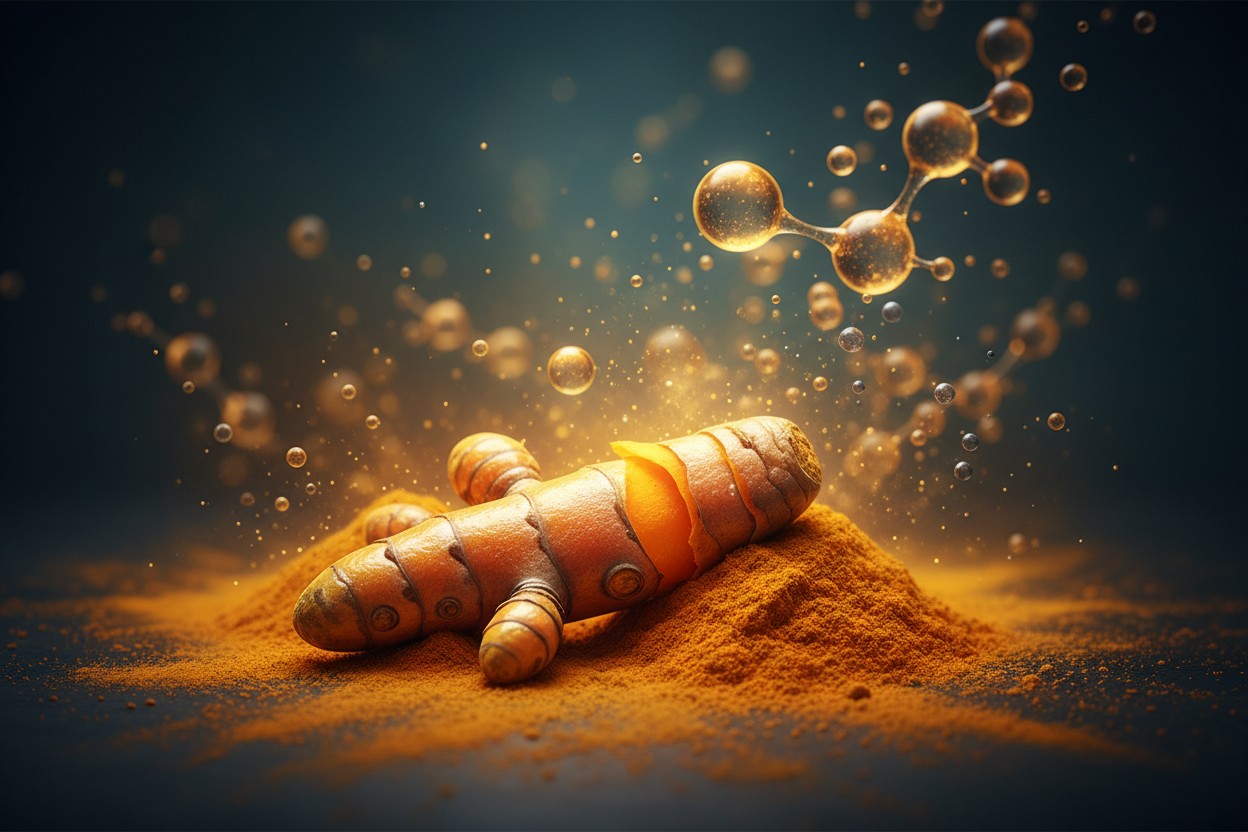
Curcumin, Turmeric’s Main Active Compound, Shows Potential in Studies
By Chase Codewell // Share
Vaccinated Individuals Transmit Measles, Systematic Review Finds
By Patrick Lewis // Share
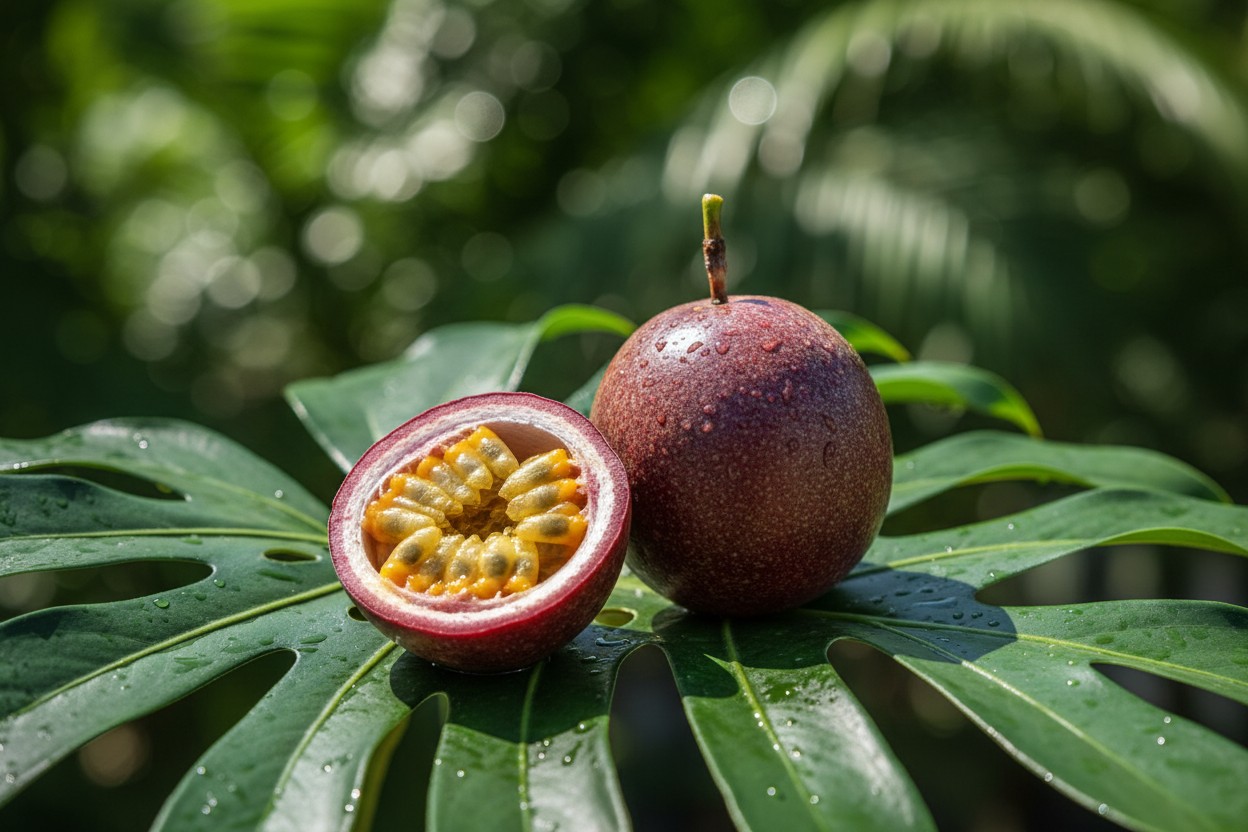
Passion fruit: Nutritional profile, potential health benefits, and consumption tips
By Coco Somers // Share
Berberine Comparable to Metformin in Type 2 Diabetes Management, Study Finds
By Morgan S. Verity // Share


Full-fat dairy reconsidered: New science challenges decades of dietary dogma
By willowt // Share

Hegseth Says Public Will Be Able to Watch Fort Hood Shooter's Execution by Firing Squad
By douglasharrington // Share

Trump Considering Suspending Federal Gas Tax as States Lower Fuel Levies
By sterlingashworth // Share

South Korea Ambassador to Kyiv Recalled Over Prisoner Transfer Dispute
By garrisonvance // Share

DHS Proposes $70,000 Fee for Foreign Students in Optional Practical Training
By douglasharrington // Share