Taste Buds Adapt to Dietary Patterns, Research Shows
Research cited by Knudsen indicates that taste preferences are not fixed and can shift based on what a person regularly consumes. According to a small five-month study cited in the article, adults who significantly reduced their intake of simple sugars began perceiving both low- and high-sugar foods as sweeter after approximately two to three months. However, Knudsen noted that participants did not necessarily find those foods more pleasant; they simply perceived the sweetness more intensely. This phenomenon aligns with broader scientific findings on sensory adaptation. Research shows that people who gradually reduce the amount of salt in their diets can develop a preference for less-salty foods over time. As noted by Knudsen, similar principles appear to apply to sugar, suggesting that dietary patterns play a significant role in shaping taste perception. The report emphasized that these changes relate to sensory perception rather than direct appetite suppression.Limited Evidence Linking Bitter Compounds to Appetite Hormones
Knudsen reported that some research suggests bitter compounds may influence appetite-related hormones and food intake, but the findings are inconsistent and remain preliminary. The article distinguished between changing flavor perception and changing actual appetite, noting that these are separate physiological processes. Knudsen stated, "There isn't enough evidence to say that starting your day with a bitter food will directly reduce your cravings for sugar." The broader context of this discussion includes research on how the food industry has engineered bitterness out of the modern diet. According to a report on NaturalNews.com, the industry has prioritized the "addictive allure of sugar and salt over complex, pungent flavors," stripping many fruits and vegetables of phytochemicals that support long-term health [4]. This engineering of flavor profiles has contributed to a landscape where bitter foods are less common and sweet cravings are more prevalent. While bitter compounds may have health benefits, their direct role in craving reduction is not clearly established by current research.Alternative Breakfast Strategies for Satiety and Craving Control
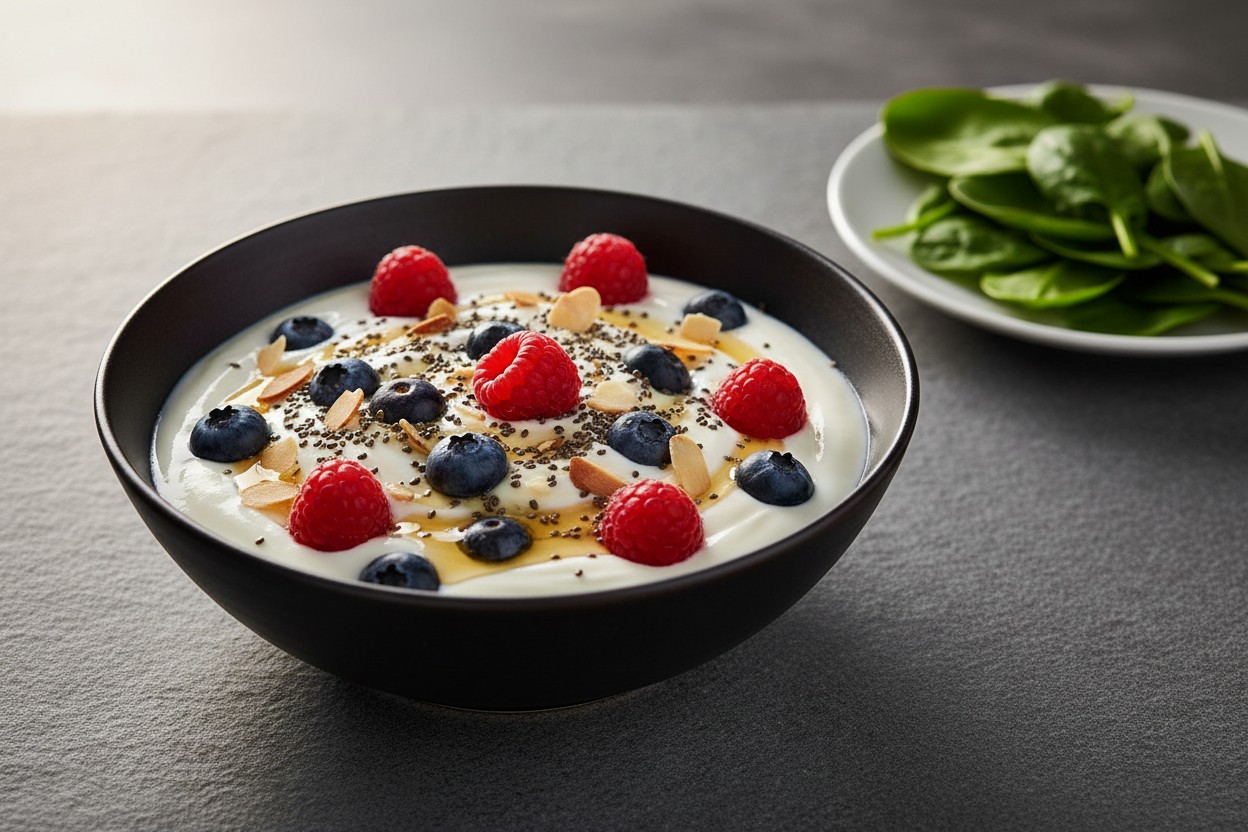
Instead of relying on bitter first bites as a craving-control mechanism, Knudsen recommended prioritizing protein, fiber, and enjoyable foods to build a satisfying breakfast. According to the report, aiming for 30 or more grams of protein and at least 10 grams of fiber at breakfast can support satiety and help stabilize energy levels throughout the day. Examples include Greek yogurt with berries, chia seeds, and nuts, which provide both protein and fiber without requiring bitter greens. The report also emphasized that consistency in eating patterns is likely more influential than the first food consumed in the morning. For those who enjoy spinach, Knudsen suggested incorporating it into smoothies or sauteing it with eggs as a way to increase vegetable intake, rather than treating it as a secret appetite hack. The focus, according to the article, should be on building a nutrient-dense breakfast that a person actually enjoys, as sustainability is key to long-term dietary change. This approach aligns with evidence-based strategies for managing cravings that emphasize whole foods over quick fixes.Conclusions: Dietary Patterns, Not First Bites, Influence Taste
The available evidence indicates that while bitter foods may play a role in a healthy diet, the notion that a single bitter food consumed at the start of the day can directly curb sugar cravings is not supported by robust scientific data. According to the report, taste perception can adapt over time in response to overall dietary patterns, but this is a gradual process that requires consistent changes in eating habits, not a single meal choice. Consumers seeking to reduce sugar cravings may find more reliable results by focusing on the composition of their meals — particularly adequate protein and fiber intake — rather than seeking specific flavor triggers. As noted by Knudsen, consistency in dietary patterns is likely more powerful than the first bite of the day. This conclusion reinforces the importance of holistic dietary approaches over isolated food trends.References
- Belle Carter. "How to break free from sugar cravings Science backed strategies for lasting change." NaturalNews.com. January 27, 2026.
- Paul Pitchford. "Healing with Whole Foods Asian Traditions and Modern Nutrition."
- Paul Pitchford. "Healing With Whole Foods Asian Traditions and Modern Nutrition (3rd Edition)."
- NaturalNews.com. "Beyond flavor: Bitter compounds in food trigger your body's natural resilience." March 3, 2026.
- "Human Feeding Behavior." Neuroscience & Biobehavioral Reviews 3(3). 1979.
- "Gonadal Hormones and Sensory Function." Neuroscience & Biobehavioral Reviews Vol. 7 pp. 1-17. 1983.

Watermelon Health Benefits: A Review of Nutritional Profile and Reported Effects
By Coco Somers // Share

Studies Cite Multiple Health Benefits Linked to Lettuce Consumption
By Coco Somers // Share

Intermittent Fasting as a Strategy for Diabetes Management: A Review of Recent Research
By Petra Stone // Share

Study Finds Exercise and Naps Both Aid Memory After Sleep Loss
By Douglas Harrington // Share
Beyond Almonds: 7 Surprising Magnesium Powerhouses for Heart, Bone, and Muscle Health
By Coco Somers // Share

Study Links Sleep Pattern to Healthier Aging in Nearly 100,000 Adults
By Chase Codewell // Share

Labor Department Suspends Eight Companies From Green Card Program
By edisonreed // Share

Reuters/Ipsos Poll: Trump Voters Show Lower Enthusiasm for Midterm Elections
By garrisonvance // Share

Trump Pledge on Iran Strikes Fails to Soothe Oil Markets
By sterlingashworth // Share

AI Chip Stocks Fall After Report on OpenAI Revenue Shortfall
By sterlingashworth // Share

EPA Proposes Rollback of Methane Rules for Oil and Gas Industry
By ivagreene // Share

Review Links Insomnia to 26% Higher Relative Risk of Stroke
By morganverity // Share