
- Nearly half of adults over 30 suffer from gum disease, and new 2026 research suggests dietary interventions—particularly cranberries—may offer protection where brushing alone falls short.
- Cranberries contain unique proanthocyanidins that prevent oral bacteria from adhering to teeth and forming plaque, targeting both cavity-causing and gum disease bacteria.
- The anti-inflammatory properties of cranberry compounds may reduce gum inflammation and its systemic consequences, including potential links to cardiovascular disease.
- A March 2026 review from researchers in Ecuador and New York examined decades of oral health studies, concluding that traditional foods like cranberries modulate the oral microbiome through molecular pathways.
- Experts recommend incorporating unsweetened cranberry products—fresh berries, frozen fruit, or 100% pure juice—while avoiding sugar-laden commercial versions that undermine the health benefits.
A berry's hidden defense against the oral epidemic
For decades, dentists have prescribed the same triumvirate of advice: brush harder, floss more and rinse with antibacterial mouthwash. Yet gum disease continues to afflict up to 47% of American adults over age 30, according to the Centers for Disease Control and Prevention, with that number climbing to 70% of those 60 and older. Something about the standard approach is failing millions of patients. A comprehensive review published in March 2026 in the journal Traditional Foods, Oral Microbiome, and Systemic Health offers an answer most dental visits never address. Researchers from Ecuador and New York, led by investigators examining molecular pathways linking nutrition and oral disease prevention, analyzed decades of studies showing that what ends up on the dinner plate matters as much as what happens with a toothbrush. Their findings point to a common grocery store berry armed with a defense mechanism unlike most foods ever tested for gum health.The bacterial blockade: How cranberries interfere with plaque formation
Most oral bacteria must adhere to tooth surfaces before causing damage, and cranberries disrupt that first critical step. The berry contains a rare form of proanthocyanidin found almost nowhere else in the plant world, according to research from Dr. Christine D. Wu’s laboratory at the University of Illinois Chicago College of Dentistry. This compound prevents cavity-causing bacteria from producing the sticky glue they use to build plaque. The same compounds target Porphyromonas gingivalis, a bacterium strongly linked to advanced gum disease. Laboratory studies found cranberry compounds reduced bacterial growth, weakened biofilm formation and blocked the invasion of gum tissue cells. A single cup of fresh cranberries contains 373 milligrams of polyphenols—potent plant-based antioxidants—considerably more than oranges, broccoli, blueberries, strawberries, bananas, apples, or white grapes.Calming the inflammatory storm beyond the mouth
Gum disease rarely stays contained to the oral cavity. The inflammation driving periodontal disease sends signals throughout the body, and cranberry compounds appear to interrupt that signaling at its source. Researchers documented reduced activity along a specific inflammatory pathway that normally amplifies tissue damage. That calming effect carries significance beyond a healthy smile. Periodontal inflammation has been linked to cardiovascular damage, diabetes complications and adverse pregnancy outcomes. The 2026 review emphasized that anti-inflammatory dietary patterns, including the Mediterranean diet and foods rich in polyphenols, demonstrate protective effects against these systemic conditions. Simply put, addressing inflammation at the gum line may offer benefits that reach well beyond the mouth.Practical steps for incorporating cranberries into daily life
Health experts recommend several strategies for harnessing cranberry’s oral health benefits without consuming excessive sugar:- Toss a handful of fresh or frozen organic cranberries into yogurt or morning smoothies. The sharp tartness mellows alongside banana or a drizzle of honey.
- Choose organic unsweetened dried cranberries over the sugar-coated variety found in most grocery aisles. Many packaged dried cranberries contain more added sugar than the fruit provides naturally.
- Brew unsweetened cranberry concentrate diluted with water rather than reaching for bottled cranberry cocktail. Look for labels reading “100 percent cranberry” to avoid imposters heavy with sweeteners.
Why gum health deserves a seat at the dinner table
Dental checkups tend to focus on brushing habits and flossing frequency, leaving diet almost entirely out of the conversation. Yet the evidence keeps pointing toward food as a genuine lever for oral health, working alongside good hygiene rather than replacing it. The 2026 review authors called for integrating nutritional counseling into periodontal care as a modifiable risk factor, noting that diet influences the composition of the oral microbiome—home to over 700 bacterial species—and that dysbiosis, characterized by pathogen enrichment, drives periodontal inflammation. A cranberry cannot substitute for brushing, but the evidence suggests the berry does real work that brushing alone cannot accomplish. For the millions of adults still struggling with gum disease despite faithful oral hygiene, the answer may have been hiding in the produce aisle all along. Sources for this article include: NaturalHealth365.com MDPI.com Dentistry.uic.edu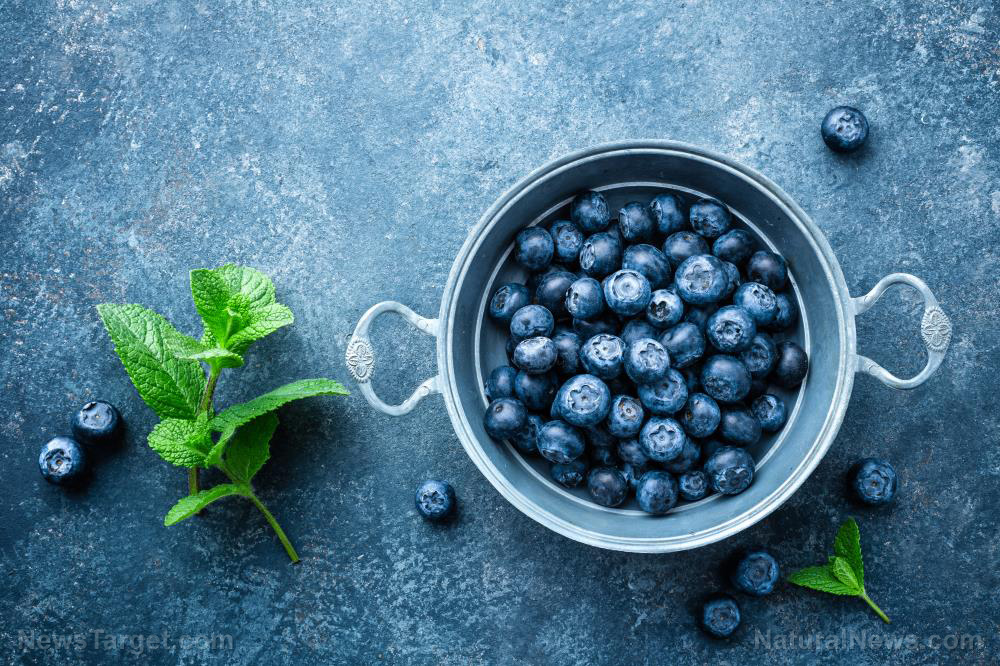
U.K. Study Links Ultra-Processed Foods to Accelerated Biological Aging
By Coco Somers // Share
Unlocking a century-old secret: How a traditional Japanese food supports wellness
By HRS Editors // Share

Night owls have poorer heart health, study finds
By Laura Harris // Share
Watermelon Health Benefits: A Review of Nutritional Profile and Reported Effects
By Coco Somers // Share
Studies Cite Multiple Health Benefits Linked to Lettuce Consumption
By Coco Somers // Share

Labor Department Suspends Eight Companies From Green Card Program
By edisonreed // Share

Reuters/Ipsos Poll: Trump Voters Show Lower Enthusiasm for Midterm Elections
By garrisonvance // Share

Trump Pledge on Iran Strikes Fails to Soothe Oil Markets
By sterlingashworth // Share

AI Chip Stocks Fall After Report on OpenAI Revenue Shortfall
By sterlingashworth // Share

EPA Proposes Rollback of Methane Rules for Oil and Gas Industry
By ivagreene // Share

Review Links Insomnia to 26% Higher Relative Risk of Stroke
By morganverity // Share