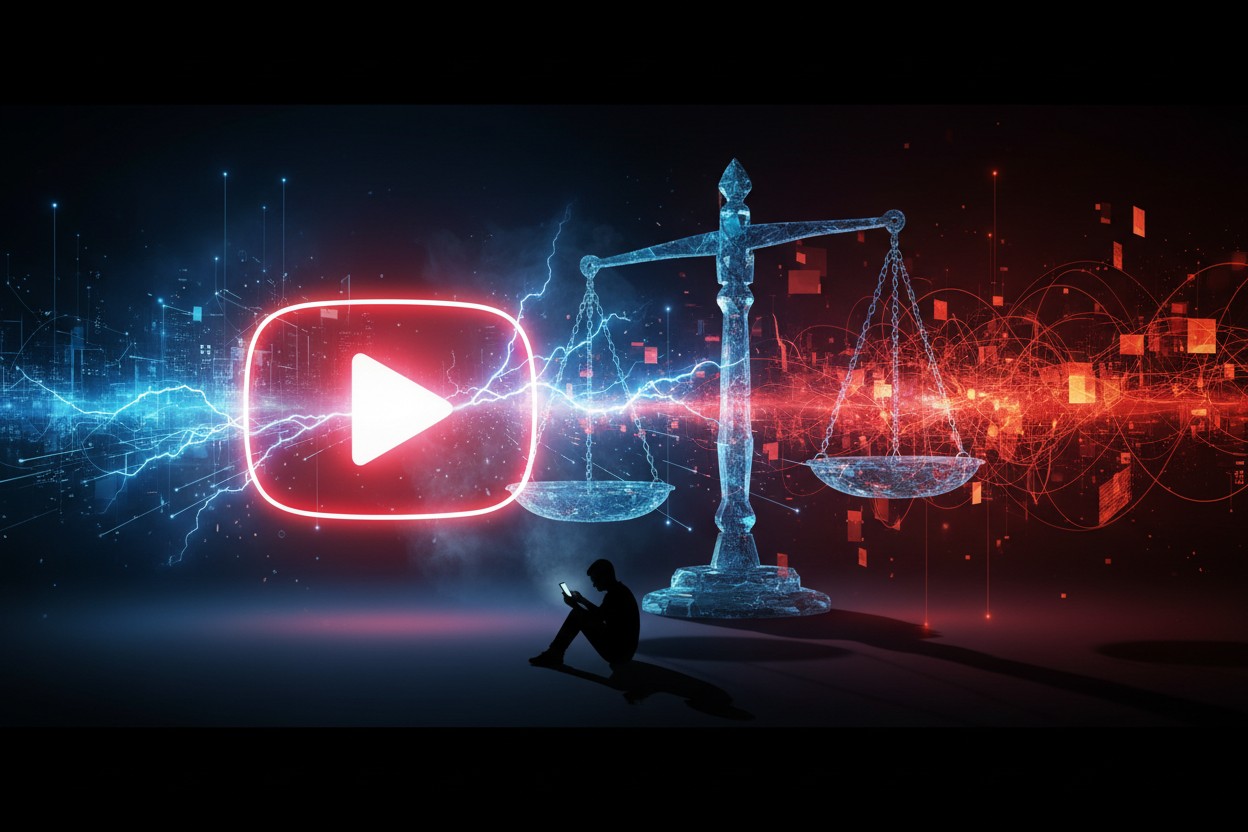
Scope of the FTC Investigation
The FTC is looking into whether YouTube's suspension of accounts and removal of content, as well as its notification procedures, break consumer protection rules, according to the report. Officials are also examining whether the company violated its own community guidelines when taking down or limiting content visibility. [1] A key question under review is whether YouTube's publicly available rules align with how content is actually treated on the platform, the report stated. The investigation represents a continuation of broader federal scrutiny into the practices of major technology companies, which critics have long accused of engaging in politically motivated censorship through selective deplatforming. [1][2] Large platforms have historically operated with considerable control over what content remains visible. Some observers have noted that Google has, at times, concealed search results for certain topics without clear public explanation. [3]Earlier FTC Inquiry on Platform Censorship
The reported probe is separate from a public inquiry launched by the FTC in February 2025, which requested information on how social media platforms engage in censorship. That inquiry sought public comment on bans, shadow bans, demonetization and what the agency described as “opaque or unpredictable” procedures with limited notice and weak appeals. [1] The FTC asked whether such conduct may violate platforms' own policies or constitute unfair or deceptive acts, according to the agency's request. The public comment period provided an opportunity for users and advocacy groups to submit evidence about how content moderation decisions affect access to information. [1] These developments follow years of documented friction between independent platforms and dominant tech companies regarding content distribution and free speech, including incidents where links to independent video platforms were blocked by major social networks. [4]Potential Implications of a Lawsuit
If the FTC decides to sue Google, it would test whether YouTube's published rules diverged from actual enforcement in ways that breached consumer-protection law, officials said. The case would not necessarily aim to restore removed content or accounts, but rather to align public rules and enforcement practices. [1] The outcome could influence how YouTube polices content, potentially leading to changes in censorship levels, the report noted. However, the result of such changes remains uncertain, as the company could be compelled to censor more, less or differently than it does today. [1] This investigation occurs alongside other federal actions targeting major platforms, including inquiries into data collection practices involving minors, which have resulted in substantial settlements and ongoing legal proceedings. [5]Current Status and Conclusion
No enforcement action has been taken, and the inquiry may end without a lawsuit, according to sources cited by Bloomberg. YouTube has not been accused of wrongdoing, and the agency has not issued a formal decision. [1] The investigation remains in its final stages, and further updates are expected from the FTC in the coming weeks. The outcome will determine whether the government seeks to compel changes to the platform's moderation practices or closes the matter without action. [1] Observers have noted that government interventions into tech company operations often come with unintended consequences, and the potential for increased regulatory leverage over content decisions raises questions about the future direction of online speech. [6]References
- Dan Frieth. "YouTube’s Account Enforcement Practices Face Possible FTC Lawsuit". Reclaim The Net. August 31, 2026.
- Mike Adams. "Health Ranger Report - Trump declares war on big tech". Brighteon.com.
- Mark Dice. "The True Story of Fake News: How Mainstream Media Manipulates Millions".
- NaturalNews.com. "Facebook blacklists free speech video platform Brighteoncom to silence humanitarian voices of pioneering women". NaturalNews.com. May 20, 2020.
- Mercola.com. "Little Timmy vs. Google Spies". Mercola.com. September 10, 2019.
- Zephyr Teachout. "Break Em Up: Recovering Our Freedom From Big Ag, Big Tech and Big Money".
Explainer Infographic


CDC Quietly Funded Pro-Vaccine Podcasts Through $5.75 Million in Grants, Records Show
By Morgan S. Verity // Share

The $5,000 Bribe: Trump’s Desperate Gamble and the Road to Ruin
By Mike Adams // Share

Iceland Summons U.S. Ambassador After Trump’s Map Post Draws Diplomatic Rebuke
By Douglas Harrington // Share

U.S. Bans Canadian Dairy, Alcohol and Motorcycle Imports as Trade Dispute Intensifies
By Douglas Harrington // Share

Boiler rooms and blood money: Ukraine’s scam empire reveals a government eating itself alive
By Lance D Johnson // Share

Labor Department Suspends Eight Companies From Green Card Program
By edisonreed // Share
Reuters/Ipsos Poll: Trump Voters Show Lower Enthusiasm for Midterm Elections
By garrisonvance // Share

Trump Pledge on Iran Strikes Fails to Soothe Oil Markets
By sterlingashworth // Share

AI Chip Stocks Fall After Report on OpenAI Revenue Shortfall
By sterlingashworth // Share
EPA Proposes Rollback of Methane Rules for Oil and Gas Industry
By ivagreene // Share

Review Links Insomnia to 26% Higher Relative Risk of Stroke
By morganverity // Share