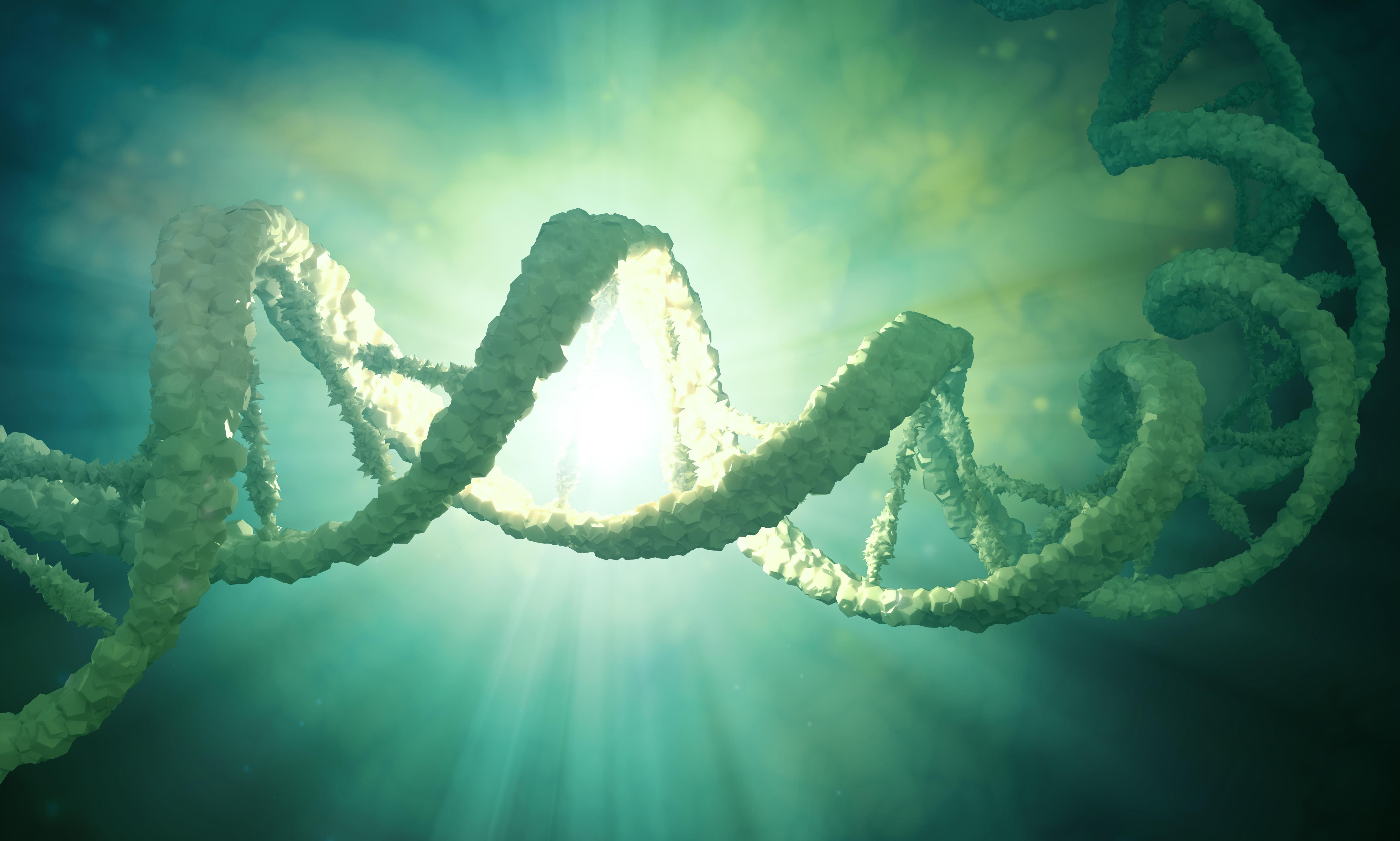
- Each diploid human cell contains about six billion base pairs, with roughly 37 trillion cells in the body. If stretched out, the DNA would span an estimated 74 billion kilometers.
- DNA polymerases replicate genetic material during cell division, while proofreading and mismatch-repair systems correct errors. Without these safeguards, mutations could accumulate rapidly.
- The chapter highlighted natural background radiation, oxidative processes from normal metabolism, environmental chemicals and more extreme ionizing radiation such as nuclear fallout.
- The episode examined mutations, insertions and deletions, frame shifts, chromosomal translocations and particularly double-strand breaks, where both DNA strands are severed and repair becomes especially difficult.
- Adams discussed research he interprets as suggesting spike protein may interfere with DNA-repair pathways, while the episode connects genetic integrity with environmental exposure, radiation, nutrition and cellular repair—setting up the next chapter's focus on DNA damage from radiation, chemicals and nuclear fallout.
A molecular system working around the clock
The scale alone is remarkable. Adams explained that a typical diploid human cell contains approximately six billion base pairs of DNA while the human body contains an estimated 37 trillion cells. If the DNA from those cells were stretched end to end, he said, the total length would reach roughly 74 billion kilometers. Yet all of that information is compacted into microscopic cellular structures. Keeping this enormous archive intact requires extraordinary precision. During cell division, DNA polymerases copy genetic material, while proofreading and mismatch-repair mechanisms identify and correct errors. Adams described the process as a layered defense system, noting that without these safeguards, replication errors could accumulate rapidly. He also explored different forms of genetic damage, including point mutations, insertions and deletions, frame-shift mutations and chromosomal translocations. But replication itself is only part of the challenge. According to the episode, DNA can sustain damage from natural background radiation, oxidative processes generated by normal metabolism and exposure to chemicals in the environment. Adams pointed to substances and products ranging from pesticides and industrial chemicals to synthetic fragrances and processed-food compounds as areas he believes warrant greater attention. The episode also considered more extreme sources of genetic stress. Ionizing radiation, including radiation associated with nuclear fallout, can damage DNA at a much greater level than ordinary background exposure. Adams focused particularly on double-strand breaks, in which both strands of the DNA molecule are severed, creating some of the most serious challenges for cellular repair machinery.How much damage can the system take?
The episode's central question emerged from this constant cycle of damage and repair: How much stress can the genome withstand before its protective mechanisms begin to fail? Adams also discussed research he interpreted as evidence that spike protein can interfere with DNA-repair pathways, including homologous recombination and non-homologous end joining. Those claims were presented as a major concern within his broader argument, while the episode connects them to his discussion of environmental exposures, radiation, nutrition and strategies intended to support cellular repair. Rather than treating DNA as an untouchable blueprint, the chapter portrayed genetic integrity as an ongoing biological process – one that depends on molecular proofreading, surveillance, repair and replacement. As Adams put it, "your body's ability to repair this damage is the only thing keeping you alive." The result was a provocative tour through the hidden maintenance system operating inside virtually every cell, and a preview of the next chapter, which turns toward the specific DNA damage associated with ionizing radiation, chemical exposure and nuclear fallout.Want to know more?
Discover the concepts explored in Mike Adams' "UNBREAKABLE" course, which examines DNA integrity, cellular repair pathways, radiation exposure and the relationship between nutrition and genetic resilience, streaming on BrightU. Across 12 chapters, the course takes viewers through the fundamentals of DNA damage and repair, including NHEJ, homologous recombination, double-strand breaks and cellular mechanisms involving BRCA1, 53BP1 and CHK1. It also explores Adams' perspectives on spike protein, nuclear fallout, environmental stressors and the nutritional strategies he believes may support DNA repair. Whether you're new to the subject or looking to explore the science presented in the course in greater depth, you can purchase the "UNBREAKABLE" course package here to learn more about its framework for genetic preparedness and cellular resilience. Upon purchase, you'll gain access to the full 13-chapter course and accompanying educational materials covering DNA repair, nutrition, environmental exposure and Adams' proposed strategies for supporting the body's natural repair mechanisms. Sources include: BrighteonUniversity.com 1 BrightU.com BrighteonUniversity.com 2
NIH’s $50M Autism Data Initiative Faces Accusation of Avoiding Vaccine-Autism Research
By Morgan S. Verity // Share

“UNBREAKABLE” on BrightU: The radical distrust behind a new survival economy
By Belle Carter // Share
U.K. Study Links Ultra-Processed Foods to Accelerated Biological Aging
By Coco Somers // Share

Falling birth rates signal deeper crisis in human resilience, not just infertility
By Willow Tohi // Share

Night owls have poorer heart health, study finds
By Laura Harris // Share


Labor Department Suspends Eight Companies From Green Card Program
By edisonreed // Share

Reuters/Ipsos Poll: Trump Voters Show Lower Enthusiasm for Midterm Elections
By garrisonvance // Share

Trump Pledge on Iran Strikes Fails to Soothe Oil Markets
By sterlingashworth // Share

AI Chip Stocks Fall After Report on OpenAI Revenue Shortfall
By sterlingashworth // Share
EPA Proposes Rollback of Methane Rules for Oil and Gas Industry
By ivagreene // Share

Review Links Insomnia to 26% Higher Relative Risk of Stroke
By morganverity // Share