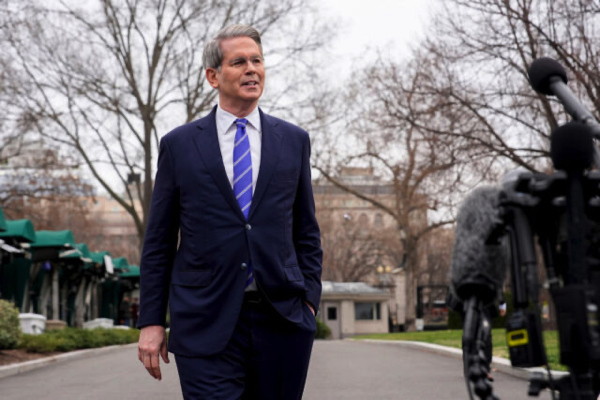
- Bessent tells Russian minister no sanctions relief until war ends.
- European officials criticize Siluanov's G20 welcome as Kyiv faces renewed attacks.
- U.S. says meeting focused on Trump peace plan and economic growth.
- Sanctions waivers on Russian oil highlight contradictory U.S. energy policy.
- Europe's $250 billion Ukraine spending lacks exit strategy.
Russian minister's return to G20 sparks European backlash
Siluanov's appearance at the summit generated significant tension among European attendees. The encounter came as Moscow targeted Ukrainian cities with ballistic missiles and drones for a fifth consecutive day, a grim backdrop that made Siluanov's presence at the table especially unwelcome to some delegations. German Finance Minister Lars Klingbeil told reporters Monday that the invitation sent "quite troubling" signals, adding he wanted "greater clarity from the American side that he should not be received here as a normal guest." European governments are pursuing additional sanctions against Moscow, even as the Trump administration opened this diplomatic channel. Discomfort over Siluanov's presence was evident when the customary G20 group photo was ultimately snapped without him.Bessent emphasizes Trump peace plan, economic growth discussions
U.S. officials framed the meeting differently than their Russian counterparts. A U.S. official told Reuters the primary focus was President Donald Trump's peace plan for Ukraine and economic growth, a sign that the White House sees the Bessent-Siluanov channel as tied directly to the broader push for a settlement rather than routine G20 business. The meeting underscores the Trump administration's willingness to maintain high-level dialogue with Moscow even as European allies push to keep Russia diplomatically isolated.Sanctions amid shifting energy landscape
The U.S. imposed sanctions on Russia's oil majors in October 2025, but the geopolitical calculus shifted following the U.S.-Israeli war against Iran, which cut off energy supplies through the Strait of Hormuz. Bessent subsequently issued licenses allowing the sale of seaborne Russian oil stored in tankers, sending some funds to Moscow while attempting to ease global supply pressures. That pragmatic exception shows Washington has already been willing to bend its own sanctions regime when energy markets demanded it, even as Bessent insists no broader relief is on the table. The competing impulses — maintaining economic pressure while navigating energy market disruptions — highlight the complex balancing act facing U.S. policymakers as the war drags on. The Asheville meeting marks a departure from the total isolation Western allies have tried to impose on Moscow since 2022. Bessent's insistence that sanctions relief hinges on ending the war may reassure hawks in Washington, but it does little to explain why European taxpayers have funneled more than $250 billion into a conflict with no clear endgame in sight. Even as the Trump administration tests the value of direct dialogue with Russia, Europe's irritation over a single meeting suggests its leaders remain more committed to isolation than to finding an actual off-ramp from the war. Sources for this article include: SputnikGlobe.com Reuters.com CNBC.com WashingtonPost.com
Ford’s China ties draw federal scrutiny as trade tensions escalate
By Willow Tohi // Share

Iran Publishes Video of Seized Advanced U.S. Undersea Drone
By Garrison Vance // Share

Deadly wildfires force mass evacuations in Türkiye’s Antalya Province
By Cassie B. // Share
Trump’s Oil Holdings Gain Millions Amid Iran War As Accounts Continue Trading
By Garrison Vance // Share
Deficit hits $2 trillion with a month to go in the fiscal year, CBO says
By Cassie B. // Share
Labor Department Suspends Eight Companies From Green Card Program
By edisonreed // Share
Reuters/Ipsos Poll: Trump Voters Show Lower Enthusiasm for Midterm Elections
By garrisonvance // Share
Trump Pledge on Iran Strikes Fails to Soothe Oil Markets
By sterlingashworth // Share
AI Chip Stocks Fall After Report on OpenAI Revenue Shortfall
By sterlingashworth // Share
EPA Proposes Rollback of Methane Rules for Oil and Gas Industry
By ivagreene // Share

Review Links Insomnia to 26% Higher Relative Risk of Stroke
By morganverity // Share