
- A major review finds a diet high in ultra-processed foods (UPFs) is strongly associated with a significantly higher risk of developing Crohn's disease, a severe inflammatory bowel condition.
- The surge in inflammatory bowel disease (IBD) cases worldwide coincides with the globalization of diets dominated by packaged, ready-to-eat ultra-processed items.
- UPFs are not just "empty calories." Evidence suggests additives like emulsifiers and thickeners may actively harm the gut by thinning its protective mucus layer, increasing permeability ("leaky gut") and promoting a pro-inflammatory microbiome.
- For those with IBD, reducing UPFs is correlated with better outcomes. Therapeutic diets like the Crohn's Disease Exclusion Diet (CDED), which emphasize whole foods and exclude specific additives, have been effective in inducing remission.
- While eliminating all UPFs is challenging, experts recommend centering meals on whole or minimally processed foods (vegetables, fruits, legumes, unprocessed meats) and reading labels to identify and avoid products with long lists of unfamiliar additives.
A global health shift mirrors dietary change
Historically, Crohn's disease was considered relatively rare. Today, nearly five million people worldwide live with IBD, a number that has surged in parallel with the globalization of the Western diet. This diet is characterized not just by macronutrients like fat and sugar, but by the pervasive consumption of ultra-processed foods (UPFs). These are not simply cooked or preserved items; they are industrial creations, often containing little whole food and a cocktail of additives like emulsifiers, artificial sweeteners and artificial colors designed to enhance appeal and longevity. The recent narrative review analyzed data from population studies, laboratory experiments on biological mechanisms and clinical dietary interventions. The consistent pattern that emerged is striking: Across large observational cohorts, individuals who consumed more ultra-processed foods faced a significantly elevated risk of being diagnosed with Crohn's disease. Notably, this association was far weaker for ulcerative colitis, indicating that Crohn's may be uniquely sensitive to these dietary exposures.Decoding the "ultra-processed" label
Understanding the risk requires moving beyond vague terms. "Ultra-processed" refers to a specific category in the NOVA food classification system. These products are typically formulations of ingredients derived from foods and additives, often created through a series of industrial processes. Common examples include sugary breakfast cereals, packaged snacks, reconstituted meat products, instant noodles and soft drinks. Their hallmarks are hyper-palatability, sophisticated packaging and the use of substances not commonly found in home kitchens, such as modified starches, hydrogenated oils and flavor enhancers. The research indicates the problem is not merely that these foods displace healthier options, though that is a concern. It is that their very composition may actively harm gut physiology. This represents a paradigm shift from viewing such foods as merely "empty calories" to understanding them as potential disruptors of biological systems.How additives may compromise gut integrity
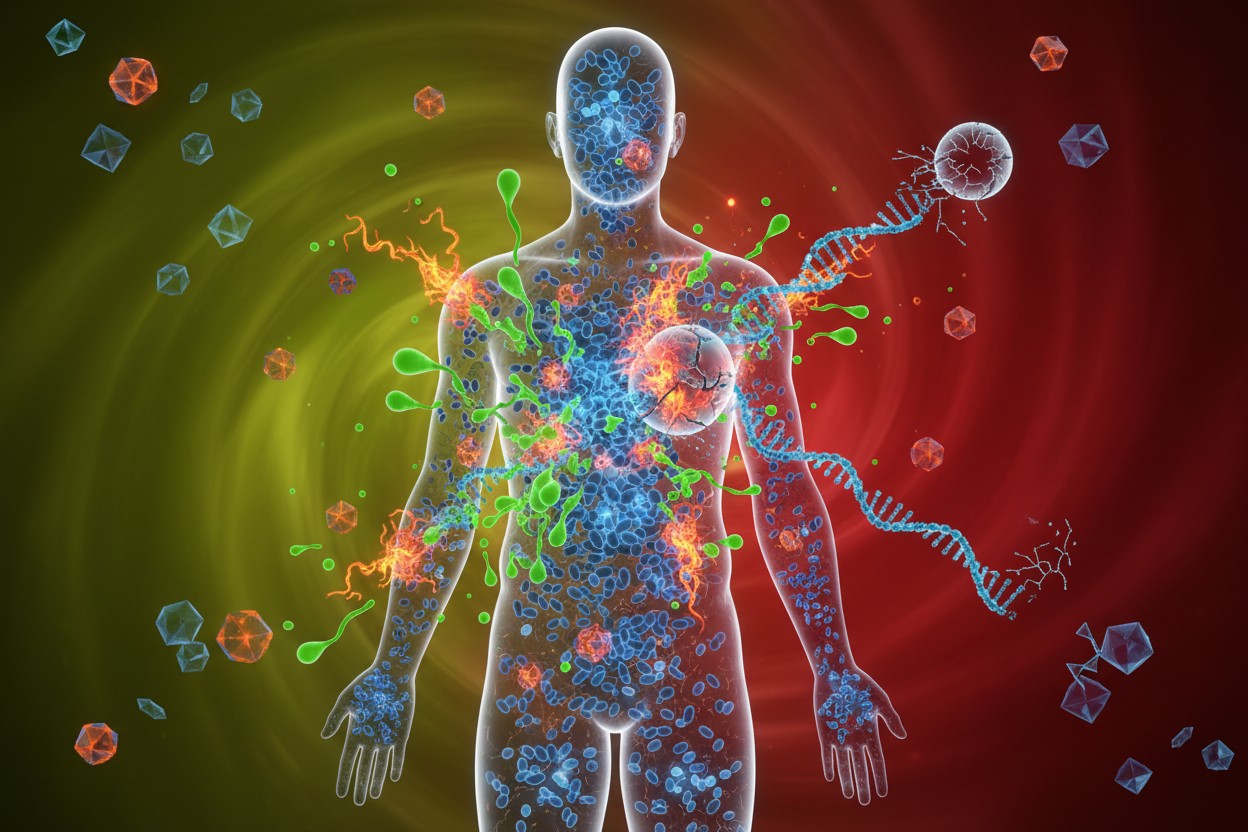
Mechanistic studies provide a biological roadmap for how UPFs might contribute to disease. Several common additives are under particular suspicion. Emulsifiers like carboxymethylcellulose (CMC) and polysorbate-80, used to create smooth textures and prevent separation, have been shown in animal and some human studies to thin the protective mucus layer lining the intestine. This can allow gut bacteria to encroach upon the intestinal wall. Other ingredients, such as the thickener carrageenan and the processed carbohydrate maltodextrin, may increase intestinal permeability—a condition often called "leaky gut." This allows bacterial fragments to cross into the bloodstream, triggering persistent immune system activation. Furthermore, some additives appear to alter the gut microbiome, reducing populations of beneficial bacteria that produce anti-inflammatory compounds while fostering a more pro-inflammatory microbial environment.From population data to personal plates
While the review synthesizes strong associative and mechanistic evidence, the authors caution that it does not definitively prove causation. Individuals with high UPF intake often share other lifestyle factors, such as higher stress levels or lower physical activity, which could also influence disease risk. This complexity underscores the challenge of nutritional epidemiology. However, the convergence of evidence is becoming difficult to ignore. For those already living with IBD, higher consumption of ultra-processed foods has been correlated with more active disease and a greater risk of relapse. Conversely, therapeutic diets that systematically reduce or eliminate these products show promise. The Crohn's Disease Exclusion Diet (CDED), which emphasizes whole foods and excludes specific additives, has been effective in inducing remission, particularly in pediatric patients.Practical steps in a processed world
Experts suggest centering meals on whole or minimally processed foods—such as vegetables, fruits, legumes and unprocessed meats—when possible. Becoming a label reader to identify long lists of unfamiliar additives can inform better choices. "UPFs are considered empty calories because they are engineered to be rapidly consumed and digested, bypassing the body's natural signals that regulate fullness and calorie intake," said BrightU.AI's Enoch. "This processing strips away beneficial nutrients like fiber while concentrating on hyper-palatable fats, sugars and refined starches. Consequently, they provide excessive energy with minimal nutritional value, promoting overconsumption without delivering the vitamins, minerals or satiety that whole foods provide." The historical context of this issue is the unprecedented speed of dietary change. In just decades, food systems have shifted from local and seasonal to global and industrial. The human gut, shaped by millennia of evolution eating whole foods, is now navigating a constant influx of novel chemical compounds and food structures. This research suggests that this mismatch may have serious consequences for a significant portion of the population. Watch a report about holding the food industry accountable for ultra processed foods. This video is from Puretrauma357 channel on Brighteon.com. Sources include: MindBodyGreen.com MedicalNewsToday.com News-Medical.net BrightU.ai Brighteon.com
AI Data Center Expansion Drives Increased PFAS Production, ChemSec Report Says
By Chase Codewell // Share
Review Links Pesticide Exposure to Oxidative Stress and Chronic Disease
By Morgan S. Verity // Share


WARNING: 10 Cosmetic Ingredients Under Toxicological Scrutiny
By Zoey Sky // Share

Nighttime Light Exposure Linked to Heart Chamber Changes in 11,000-Person Study
By Iva Greene // Share

Iranian Security Chief Rules Out U.S. Talks Until Conditions Are Met
By Belle Carter // Share


Full-fat dairy reconsidered: New science challenges decades of dietary dogma
By willowt // Share

Hegseth Says Public Will Be Able to Watch Fort Hood Shooter's Execution by Firing Squad
By douglasharrington // Share

Trump Considering Suspending Federal Gas Tax as States Lower Fuel Levies
By sterlingashworth // Share

South Korea Ambassador to Kyiv Recalled Over Prisoner Transfer Dispute
By garrisonvance // Share

DHS Proposes $70,000 Fee for Foreign Students in Optional Practical Training
By douglasharrington // Share